Asian Chip Stocks Slide as Investors Reassess AI Spending, China Competition and Funding Risks
Asian technology and chip stocks fell sharply as investors questioned the returns from massive AI spending and weighed intensifying Chinese competition.
AI companies’ rising valuations, debt and circular investment deals are drawing warnings from the IMF and BIS about risks spreading through global markets.
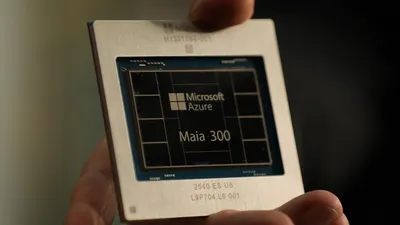
Microsoft will make its Maia chips the primary inference system for Azure products, with Maia 300 entering production workloads in 2027.
AI data centers are driving a power and construction crunch, raising costs for developers while increasing pressure on grids, utilities, consumers, and regulators.
Broadcom CEO Hock Tan compared parts of the AI investment boom to casino gambling as companies pour capital into infrastructure without proven returns.
AI-related companies have issued hundreds of billions of dollars in debt in 2026, reshaping bond indexes, raising yields, and concentrating investor exposure around the technology buildout.
OpenAI’s annualized revenue is nearing $50 billion, about $20 billion below recent estimates, rattling AI stocks and raising questions about its valuation.
AI investment is pulling capital toward data centers, chips and hyperscalers, concentrating wealth while making the next credit cycle harder to assess.
Nvidia-backed Firmus Grid closed its IPO bookbuilding amid weak demand, putting Australia’s planned multibillion-dollar data-center listing and AI funding appetite under scrutiny.
Samsung Electronics posted a record operating profit as AI infrastructure demand lifted memory chip prices, with tight supply expected to support the boom through 2028.
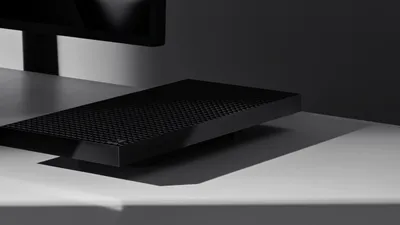
Microsoft opened preorders for the $5,999 Surface RTX Spark Dev Box, a compact Windows workstation with 128GB of memory for running large AI models locally.
SpaceX is seeking $40 billion in financing led by Apollo to purchase Nvidia chips, highlighting the scale of Elon Musk’s computing plans.
Nvidia-backed Reflection AI has unveiled Beam, an open-weight model designed to match leading Chinese systems on reasoning while using less inference compute.
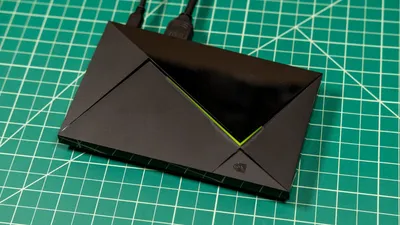
Nvidia raised the seven-year-old Shield TV Pro from $199.99 to $299.99, citing higher component costs, including memory, while discontinuing the standard Shield TV.
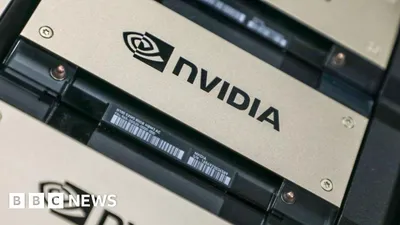
Nvidia-linked chip smuggling cases involving China are prompting scrutiny of export controls, corporate compliance, and the effectiveness of US efforts to restrict advanced AI technology.