Epic Games Delays Disney Shooter as Developers Face AI-First Production Mandate
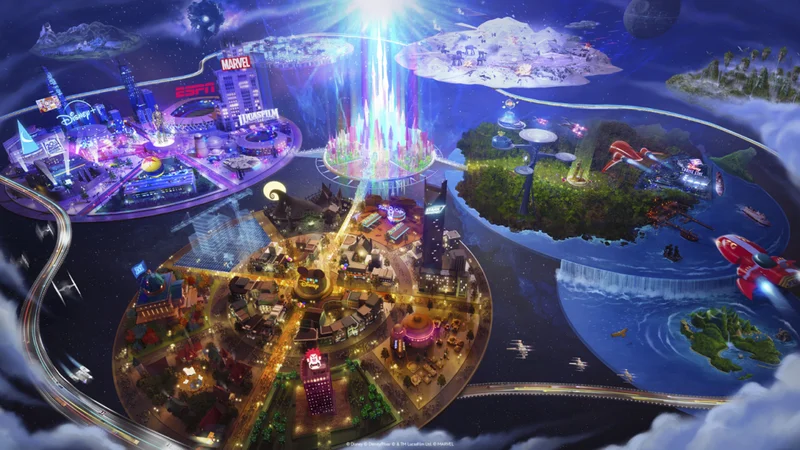
Image: Ars Technica AI
Main Takeaway
Epic Games has delayed an unannounced Disney shooter featuring Marvel and Star Wars characters while directing developers toward an AI-first workflow with no handwritten code.
Jump to Key PointsSummary
Epic’s delayed Disney project
Epic Games has delayed an unannounced Disney collaboration and directed its developers to adopt an AI-first production model, according to reporting attributed to Bloomberg. The project is described across coverage as a multiplayer shooter built around Marvel and Star Wars characters, though Epic and Disney have not publicly detailed the game’s title, release date, or final design.
The reported mandate would reach beyond optional productivity tools. Developers were told to use AI to produce code and guide artwork, with several accounts describing a policy of “no more hand-written code.” Ars Technica, Polygon, Kotaku, and Insider Gaming each frame the order as a major shift in the project’s development process rather than a limited experiment.
What the AI-first order means
The reported workflow would place generative systems at the center of programming and visual development for the Disney game. That would give Epic a way to generate prototypes, gameplay systems, and art assets at speed, while leaving human developers responsible for directing, reviewing, and integrating the output. The exact tools, models, approval standards, and technical limits remain undisclosed.
The phrase “AI-first” carries a broader meaning than using assistants for routine tasks. Coverage from Hacker News, GameDev.net, VGC, and 80 characterizes the instruction as a company-level production requirement for this title. Such a policy would affect programmers, artists, designers, and technical directors at the same time, making questions about consistency, licensing, quality control, and accountability central to the project.
Layoffs sharpen the pressure
Epic’s decision follows a difficult period for the studio. The company laid off about 1,000 employees in March after a reported decline in Fortnite engagement, according to coverage cited by Hacker News. The cuts reduced costs but also removed staff who had been working on projects intended to support Epic’s next phase of growth.
That timing gives the AI mandate a clear business context. A smaller workforce and a delayed high-profile game create pressure to produce more with fewer people, while an internal push toward automated development can also intensify concerns about remaining jobs and responsibilities. Yahoo Finance’s Canadian edition and Ground both present the Disney delay and AI shift as connected decisions, rather than separate announcements. The arrangement with Disney raises the stakes because the game must meet expectations attached to globally recognized Marvel and Star Wars brands.
The creative and technical risks
An AI-first workflow could speed up iteration, but the reported “no handwritten code” rule also creates technical risks. Generated software needs testing, debugging, security review, and long-term maintenance. A system that produces an impressive prototype can still create brittle dependencies or inconsistent behavior once a large online game adds networking, live updates, accessibility requirements, and platform certification.
Artwork brings a separate set of problems. Marvel and Star Wars demand close control over character likenesses, visual continuity, and brand standards. Polygon, Kotaku, and Superpower Daily describe the shift as a major generative AI push, while Ars Technica emphasizes that AI would guide both code and art. Those accounts point to a production model that could reduce manual labor but increase the importance of review, rights management, and editorial control.
Why the story matters beyond Epic
Epic’s reported policy would test whether generative AI can carry a large commercial game through core production, not just assist individual developers. The result will matter to publishers weighing automation against the cost of experienced teams, and to workers deciding how much authority AI systems should receive over creative and technical decisions.
The project also sits at the intersection of 3 major pressures: falling engagement at Epic’s flagship game, a reduced workforce, and rising expectations that AI will compress development time. Techmeme and Bloomberg-linked coverage identify the central claim as a delayed release paired with an “AI first” model. If the game ships successfully, the workflow becomes a reference point for other studios. If quality or schedule problems persist, the mandate becomes evidence that automation cannot substitute for production capacity on its own.
What happens next
The next meaningful developments will be Epic’s formal response, details about the game’s schedule, and evidence of how the AI mandate works in practice. Public information currently identifies the project as an unannounced Disney shooter, but it does not establish a launch window, the size of its remaining team, or the specific generative systems involved.
Epic also faces a messaging challenge. Calling for AI-generated code and artwork invites scrutiny from employees, players, artists, and Disney stakeholders, especially after large layoffs. Coverage from Insider Gaming, VGC, and Kotaku indicates that the internal order has already become the story surrounding the game. Until Epic releases more information, the project’s progress will be judged as much by its production model as by its Marvel and Star Wars premise.
Key Points
Epic Games reportedly delayed its Disney shooter while imposing an AI-first development workflow.
The reported mandate includes AI-generated code and artwork, with no handwritten code for the project.
The game reportedly features characters from Marvel and Star Wars in a multiplayer shooter.
Epic’s AI push follows roughly 1,000 layoffs linked to declining Fortnite engagement.
The workflow raises questions about software quality, creative control, licensing, and employee accountability.
Questions Answered
Epic Games reportedly delayed the Disney game while restructuring its development around an AI-first workflow. Coverage links the change to efforts to produce the project with a smaller workforce after major layoffs.
Epic Games reportedly told developers there would be “no more handwritten code” for the Disney shooter. The reported policy would require AI to generate code while human developers review and integrate the results.
Epic Games’ unannounced Disney shooter reportedly features Marvel and Star Wars characters. The companies have not publicly released the game’s title, full roster, gameplay details, or launch date.
Epic Games’ reported AI mandate follows layoffs affecting about 1,000 employees after declining Fortnite engagement. The smaller workforce increased pressure to automate parts of production for projects intended to support the company’s growth.
Epic Games will need to clarify the project’s schedule, development process, and use of AI. The game’s progress will face scrutiny over code quality, artwork, brand approval, and whether automation can support a major multiplayer release.
Source Reliability
43% of sources are trusted · Avg reliability: 61
Go deeper with Organic Intel
Simple AI systems for your life, work, and business. Each one includes copyable prompts, guides, and downloadable resources.
Explore Systems