Apple’s HomeView Bets on a Connected Home Strategy Built Around the iPhone
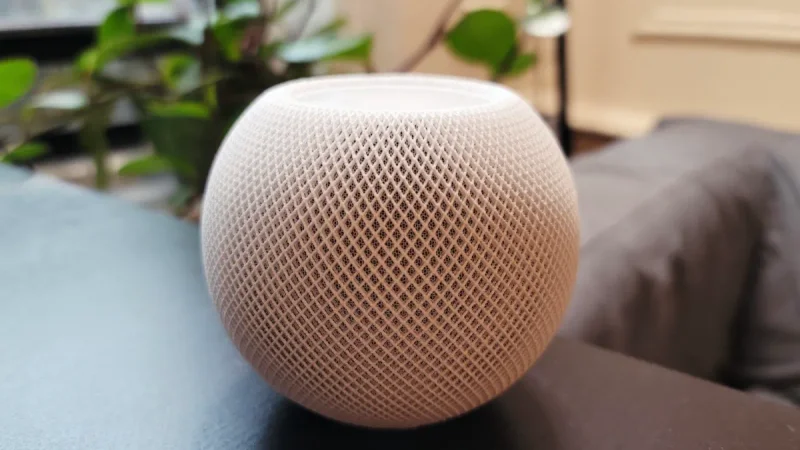
Image: TechCrunch AI
Main Takeaway
Apple is expected to unveil HomeView on October 13 alongside updated home products, reviving its smart home ambitions with a unified hub strategy.
Jump to Key PointsSummary
Apple’s new home bet
Apple is expected to introduce HomeView on October 13 as the centerpiece of a renewed smart home strategy. The device is described as a dedicated home hub that would bring Apple’s hardware, software and connected-home controls into a single product. Bloomberg’s Mark Gurman reported the launch plans, while coverage from TechCrunch, MacRumors and Mashable points to a broader product push rather than an isolated accessory release.
HomeView is expected to ship in mid-November, giving Apple a short window between its announcement and retail availability. The timing places the product in the holiday buying season and gives Apple a chance to frame the smart home as an extension of its existing device ecosystem.
A wider product lineup
Apple’s October 13 event is expected to include 3 connected-home products: HomeView, a new HomePod mini and an updated Apple TV. MacRumors identified the products as part of the same launch effort, while AppleInsider and Mashable separately reported expectations for new HomePod and smart-display hardware. The lineup gives Apple several entry points into the home, from a display-led hub to speakers and television hardware.
The coordinated release matters because Apple’s smart home efforts have often depended on products that were useful individually but lacked a clear central experience. A HomeView hub, refreshed speaker and new Apple TV could make the home feel like a single Apple environment, with each device reinforcing the others. Apple’s event branding, “Welcome Home,” points directly at that positioning.
Why Apple has struggled
Apple enters the launch after years of uneven progress in smart home hardware. HomeKit offered a privacy-focused framework, but setup friction, limited accessory support and inconsistent device experiences kept Apple from matching the reach of Amazon’s Alexa and Google’s smart home products. The HomePod’s late arrival and narrower capabilities also left Apple without a dominant home control point.
The new strategy addresses that gap by tying home control more closely to the iPhone and the rest of Apple’s installed base. Bloomberg’s coverage frames the effort as a way to protect the iPhone’s role as the company’s central personal device, while TechCrunch’s analysis asks whether HomeView can become Apple’s first meaningful smart home success. Apple’s retail-store smart home experiences and its “Inside an Apple smart home” presentation also show a push to make the category easier to understand before customers buy.
Design and ecosystem stakes
HomeView’s expected design and color choices signal Apple’s familiar hardware strategy: make a technical product look like a natural part of the home. MacRumors reported that the hub will ship in 4 colors, while separate coverage has focused on its smart-display role and its relationship with HomePod and Apple TV. That combination would give Apple a visual and functional anchor for rooms where users currently rely on phones or third-party speakers.
Apple’s advantage is the link between hardware, operating systems and services. The company can connect HomeView to Apple accounts, Siri, Apple TV, HomePod and compatible accessories through a common interface. Bloomberg’s report also identified LG-built accessories as part of the planned effort, indicating that Apple is preparing a broader hardware network around the hub rather than leaving it dependent on third-party products.
The challenge from Amazon and Google
HomeView will enter a mature market dominated by Amazon and Google, with Samsung and accessory makers competing for control of connected homes. Apple’s challenge is to turn ecosystem loyalty into daily utility while matching the breadth of devices already supported by rival platforms. A polished screen and strong integration won't by themselves solve accessory compatibility, voice-assistant performance or household adoption.
The launch also tests whether Apple can persuade customers to pay for a premium central device in a category where inexpensive speakers and displays are common. Its privacy reputation and tight iPhone integration provide a clear sales message, but customers will judge HomeView by routine tasks such as controlling lights, viewing cameras, managing media and handling family access. Apple’s retail demonstrations could be critical because the benefits of a connected home are easier to understand when shown as a working system.
What happens after launch
The October 13 announcement will establish Apple’s hardware pitch, but HomeView’s success will depend on software support after release. Apple needs reliable controls, broad accessory compatibility and a clear reason for households to use the hub every day. The mid-November shipping date gives the company time to explain those features before customers make holiday purchases.
The larger test is strategic. If HomeView connects Apple’s phone, television, speakers and accessories into a dependable home experience, it can give the company a stronger position beyond mobile hardware. If the product functions mainly as another Apple-controlled screen, the launch will add hardware without fixing the category’s deeper adoption problem.
Key Points
Apple HomeView will anchor a renewed smart home hardware push beginning October 13.
HomeView is expected to ship in mid-November in 4 reported colors.
Apple plans to pair HomeView with new HomePod mini and Apple TV hardware.
LG-built accessories could broaden Apple’s connected-home ecosystem around the hub.
HomeView must overcome Apple’s long-running gap with Amazon and Google in smart homes.
Questions Answered
Apple HomeView is an expected smart home hub and display designed to coordinate Apple devices and connected-home accessories. The product is expected to launch on October 13 and ship in mid-November.
Apple HomeView is expected to ship in mid-November 2026. Apple is expected to announce it during an October 13 product event.
Apple is expected to announce a new HomePod mini and an updated Apple TV alongside HomeView. The products are positioned as parts of a wider smart home lineup.
Apple is launching HomeView to strengthen its smart home ecosystem and extend the iPhone’s role into the household. The strategy addresses Apple’s limited traction against Amazon Alexa and Google Nest.
Apple HomeView is expected to support a broader connected-home ecosystem, including reported LG-built accessories. Its long-term appeal will depend on compatibility, setup quality and reliable daily controls.
Source Reliability
57% of sources are trusted · Avg reliability: 71
Go deeper with Organic Intel
Simple AI systems for your life, work, and business. Each one includes copyable prompts, guides, and downloadable resources.
Explore Systems