Tencent Launches $5 Billion Bond Sale to Fund AI Infrastructure and Chip Purchases
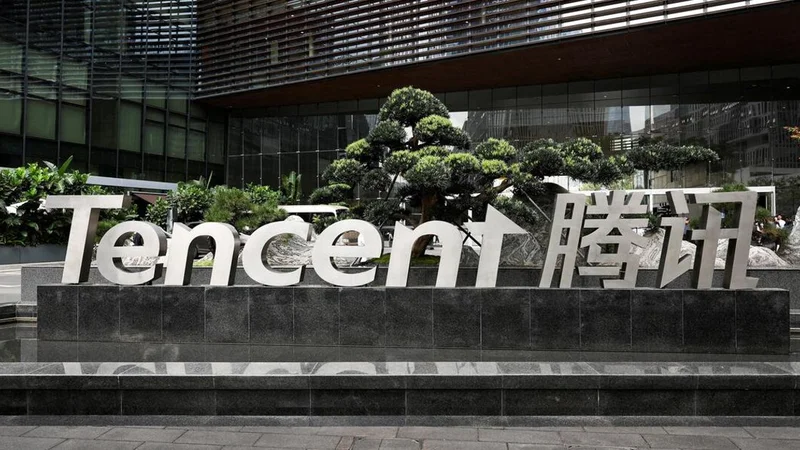
Image: Straitstimes
Main Takeaway
Tencent has started marketing up to $5 billion in offshore bonds, directing the proceeds mainly toward AI capital spending, computing infrastructure, and chip purchases.
Jump to Key PointsSummary
Tencent turns to offshore debt
Tencent has started marketing an offshore bond offering that could raise about $5 billion, directing the proceeds mainly toward artificial intelligence capital spending. The planned notes are expected to include U.S. dollar and offshore yuan tranches, with the transaction marking a rapid shift from preliminary consideration to active fundraising. Bloomberg reported the launch on Oct. 13 after earlier coverage described the sale as under consideration.
The financing gives Tencent access to international credit markets as demand for computing capacity expands across the technology industry. The company is raising the debt after a separate offering of nearly $4.7 billion in June, which supported refinancing and AI-related product development. Reuters, citing Bloomberg’s report, and The Business Times also described the planned deal as part of Tencent’s effort to expand its AI capabilities.
Chips sit at the center
The bond proceeds are aimed primarily at AI-related capital expenditures, including chip purchases, according to details reported by Bloomberg and summarized by Marketscreener. Tencent’s spending also covers computing infrastructure and cloud capacity, areas that require large upfront commitments before new AI services generate meaningful returns.
Tencent’s financing plan reflects the cost structure of modern AI development. Training and serving advanced models require accelerators, data-center capacity, networking equipment, and electricity, while product teams need continued funding to turn those systems into commercial services. The company is pursuing models intended to compete with systems from DeepSeek and Moonshot AI, The Business Times reported. Finance.biggo and Ucapital likewise tied the proposed debt to Tencent’s expanding AI and computing ambitions, although both provided limited detail.
A larger AI spending race
Tencent’s debt sale places it within a broader technology-sector rush to finance AI infrastructure. Companies are borrowing to secure chips and computing resources as model development, cloud services, advertising tools, gaming features, and enterprise applications become more dependent on AI capacity.
The scale of Tencent’s planned offering also signals that AI investment has moved beyond a narrow research expense. A second multibillion-dollar fundraising effort in the same year would give the company additional financial room to build infrastructure while competing with Chinese AI developers and global technology firms. Simplywall described the plan as evidence of heavier spending on AI and cloud operations, while The Strait Times and Finance.yahoo highlighted the bond market’s role in supporting the company’s broader push.
Investors weigh the borrowing
Tencent’s use of offshore debt provides funding without an immediate share issuance, preserving existing ownership stakes while adding interest and repayment obligations. The company’s ability to raise the full amount will depend on investor demand, pricing, currency mix, and the final terms of the notes.
Tencent shares fell after reports of the planned sale circulated, according to Finance.yahoo’s summary of Investing.com coverage. That reaction reflects the tension surrounding AI investment: investors want companies to secure a position in a fast-growing market, but they also scrutinize whether spending will produce enough revenue to justify higher capital commitments. The June debt raising and the new offering together put greater focus on Tencent’s balance-sheet discipline and the commercial performance of its AI products.
What the financing means for Tencent
Tencent’s bond campaign gives the company a fresh pool of capital for chips, data centers, cloud services, and AI product development. The immediate objective is capacity, allowing Tencent to build or acquire the infrastructure needed to train models and run them at scale across its consumer and business platforms.
The longer-term test is conversion. Tencent must turn capital spending into products that attract users, advertisers, developers, and enterprise customers while competing against DeepSeek, Moonshot AI, and other model providers. The planned dollar and offshore yuan structure also gives the company flexibility in matching funding to its international investor base and operating needs. Coverage from Bloomberg, Reuters, and Marketscreener consistently identifies AI capital expenditure as the central purpose of the financing.
The next signals from the deal
The final bond size, tranche currencies, pricing, and maturity dates will show how investors value Tencent’s AI strategy and credit profile. A fully subscribed offering at favorable terms would give the company more room to accelerate chip procurement and infrastructure expansion.
Investors will also watch whether Tencent’s AI spending produces measurable growth in cloud revenue, advertising efficiency, gaming, and new services. The bond sale itself supplies capital, but execution will determine whether that capital strengthens Tencent’s competitive position or increases financial pressure. The active marketing reported by Bloomberg marks the clearest step yet in a plan first described as a possible offshore offering earlier in October.
Key Points
Tencent has started marketing up to $5 billion in offshore bonds for AI capital spending and chip purchases.
Tencent’s planned notes may include U.S. dollar and offshore yuan tranches for international financing flexibility.
Tencent follows a nearly $4.7 billion June debt raising with another major AI-focused funding round.
Tencent’s borrowing reflects the escalating cost of chips, cloud capacity, data centers, and advanced model development.
Tencent faces investor scrutiny over whether AI infrastructure spending will produce revenue across products and services.
Questions Answered
Tencent is selling the bonds to finance artificial intelligence capital spending, including chip purchases and computing infrastructure. The proceeds will support model development, cloud capacity, and AI-related products.
Tencent plans to use the proceeds mainly for AI capital expenditures and chip purchases. The spending also supports data-center capacity, cloud services, and infrastructure needed to train and run AI systems.
Tencent is expected to issue the offshore bonds in U.S. dollars and offshore yuan. The final currency mix, size, pricing, and maturity terms will depend on investor demand.
Tencent’s planned offering follows a nearly $4.7 billion debt raising in June. The latest financing would represent another large capital commitment to refinancing, AI development, and related infrastructure within the same year.
Investors will watch the final terms of Tencent’s bonds and whether AI spending produces commercial growth. Key indicators include cloud revenue, advertising performance, gaming applications, enterprise adoption, and returns from chip and infrastructure investment.
Source Reliability
42% of sources are trusted · Avg reliability: 72
Go deeper with Organic Intel
Simple AI systems for your life, work, and business. Each one includes copyable prompts, guides, and downloadable resources.
Explore Systems