Nvidia Raises Seven-Year-Old Shield TV Pro Price to $299 as AI Drives Memory Costs Higher
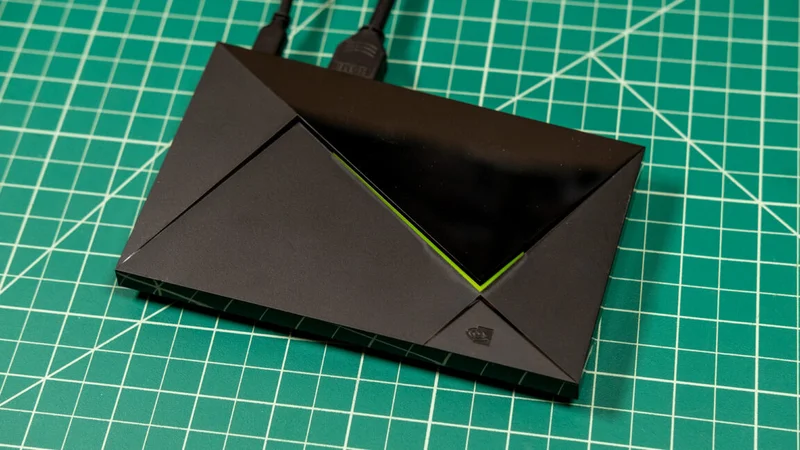
Image: Ars Technica AI
Main Takeaway
Nvidia raised the seven-year-old Shield TV Pro from $199.99 to $299.99, citing higher component costs, including memory, while discontinuing the standard Shield TV.
Jump to Key PointsSummary
Nvidia raises the Shield TV Pro price
Nvidia has raised the price of the Shield TV Pro by $100, taking the long-running Android TV streamer from $199.99 to $299.99 effective immediately. The increase affects a device whose latest major version launched in 2019, with no hardware refresh accompanying the higher price.
The Shield TV Pro remains in production and is still sold through Nvidia, while the cheaper standard Shield TV has been discontinued. The change gives Nvidia’s seven-year-old streaming box a price normally associated with newer premium hardware. Multiple outlets reported the new price after it appeared on Nvidia’s website and the company attributed the increase to higher component costs, particularly RAM.
AI pushes up memory costs
Nvidia says rising component prices, including memory, are behind the Shield TV Pro increase. The explanation fits a broader 2026 pattern in which demand for AI infrastructure has tightened supplies of memory and storage, raising costs across consumer electronics.
The Shield TV Pro does not contain a new generative AI processor, but it still depends on components affected by the same supply chain pressures. Droid-life linked Nvidia’s explanation to similar price increases from Samsung and Google, while Wired AI and Ars Technica AI framed the move as evidence that AI infrastructure costs are reaching older consumer devices. Tomshardware described the increase as a 50% jump from the original launch price.
Why the old box still sells
The Shield TV Pro remains competitive because its software and playback features have aged better than its processor. It runs Android TV, supports hardware decoding for a broad range of media formats, and includes AI upscaling that improves lower-resolution video on compatible televisions.
The device uses Nvidia’s Tegra X1+ chip, which is old by current standards but still fast for a streaming box. Its strengths include media playback flexibility and a mature software platform, though the hardware lacks AV1 support and has other limitations identified by 9to5google. Nvidia’s decision to keep producing the Pro version reflects continued demand for those capabilities, even as the standard model leaves the lineup.
The standard Shield TV disappears
Nvidia has discontinued the standard Shield TV, the less expensive tube-shaped model that sat below the Pro. Pocket-lint reported that the model had already become difficult to find after going out of stock in July, pointing to a gradual withdrawal before the formal lineup change.
The standard model originally sold for $149.99, while the Pro launched at $199.99. With the cheaper version gone and the Pro now priced at $299.99, Nvidia’s current Shield entry point has shifted sharply upward. Buyers seeking Nvidia’s Android TV platform now face a narrower choice and a device whose price rose without a corresponding generation change.
What buyers get for $299.99
At $299.99, the Shield TV Pro is positioned as a premium streaming device rather than a general-purpose budget streamer. Its value rests on format support, upscaling, gaming-related capabilities and long software support, rather than on modern silicon or new connectivity described in the coverage.
The price also changes the buying calculation. Consumers who already value Nvidia’s playback features may accept the increase, while buyers focused on basic streaming have cheaper alternatives from Roku, Amazon and Google. The absence of a hardware refresh makes the increase harder to justify on specifications alone, especially because the core design dates to 2019.
Nvidia’s next move remains unclear
Nvidia has reshaped the Shield lineup around a single, more expensive model, but the company has not announced a new Shield TV generation in the coverage. The Pro continues as the surviving product, supported by its established reputation and ongoing production.
The immediate result is a sharper divide between Nvidia’s premium streamer and lower-cost competitors. The move also shows how memory pricing can affect products far removed from AI data centers. For Shield buyers, the next meaningful decision is whether the platform’s playback advantages justify $299.99, or whether Nvidia eventually replaces the aging hardware instead of continuing to raise its price.
Key Points
Nvidia raised Shield TV Pro pricing from $199.99 to $299.99 without a major hardware refresh.
AI-driven memory and component costs are Nvidia’s stated reason for the Shield TV Pro increase.
Nvidia discontinued the cheaper standard Shield TV, leaving the Pro as the lineup’s surviving model.
Shield TV Pro retains Android TV, AI upscaling and broad media decoding despite seven-year-old hardware.
The $299.99 price puts Nvidia’s streamer against newer, cheaper alternatives from major consumer brands.
Questions Answered
Nvidia raised the Shield TV Pro price because component costs, including RAM, have increased. Coverage connects those costs to broader memory and storage pressure created by demand for AI infrastructure.
The Nvidia Shield TV Pro is not receiving a major hardware refresh alongside the price increase. The current version dates to 2019 and uses the Tegra X1+ processor.
Nvidia discontinued the standard Shield TV, including the cheaper tube-shaped model. The Shield TV Pro is now the surviving model in the Shield lineup and costs $299.99.
The Nvidia Shield TV Pro offers Android TV, AI video upscaling and hardware decoding for a wide range of media formats. It remains known for strong streaming performance, although it lacks AV1 support and uses aging hardware.
The Nvidia Shield TV Pro’s value depends on whether its format support, upscaling and mature software justify the premium price. Buyers focused on basic streaming can find newer, cheaper alternatives from Roku, Amazon and Google.
Source Reliability
57% of sources are trusted · Avg reliability: 74
Go deeper with Organic Intel
Simple AI systems for your life, work, and business. Each one includes copyable prompts, guides, and downloadable resources.
Explore Systems