Firmus Grid Closes IPO Books as Weak Demand Tests Nvidia’s AI Infrastructure Bet
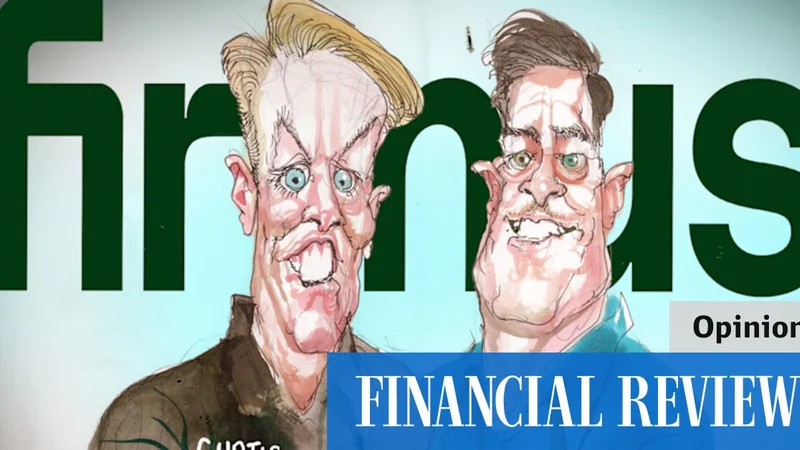
Image: Afr
Main Takeaway
Nvidia-backed Firmus Grid closed its IPO bookbuilding amid weak demand, putting Australia’s planned multibillion-dollar data-center listing and AI funding appetite under scrutiny.
Jump to Key PointsSummary
Firmus closes a troubled bookbuild
Firmus Grid closed bookbuilding for its planned Australian IPO on Thursday as investor demand weakened and the offering’s final price and structure remained unclear. The listing was marketed at A$11 a share and was designed to rank among the largest IPOs in Australian history, but concerns grew that the deal could be reduced, repriced or withdrawn.
The company operates data centers that rent specialized computing capacity to technology customers. Nvidia’s backing gave Firmus immediate prominence, while Blackstone and Coatue were also identified as major existing shareholders. The closing came after reports of wavering support for the offer, turning a closely watched listing into a test of investor appetite for AI infrastructure.
Why the valuation drew scrutiny
Firmus was seeking billions of dollars at a valuation reported in the tens of billions, despite operating in a capital-intensive business with substantial funding needs and debt concerns. The planned capital raise was described in different accounts as roughly US$5.5 billion, with an additional greenshoe option of about US$500 million, while other coverage placed the proposed equity value near A$44 billion.
Investors questioned whether Firmus had enough operating history to support that valuation and whether demand for AI computing would translate into durable data-center earnings. Reports of a possible price cut on Wednesday reflected those concerns. The debate has divided market participants, with some viewing the company as a major platform for AI growth and others treating the IPO as an aggressive bet on an unproven operator.
Existing holders anchor the offering
Existing shareholders were expected to account for about half of the IPO allocation, giving Nvidia, Blackstone and Coatue an opportunity to increase their stakes. Earlier indications of demand reportedly exceeded the available offer size, but that support did not settle questions about the price or the mix of new and secondary shares.
The concentration of allocations matters because cornerstone participation can provide stability while also limiting the amount of stock distributed to new investors. Firmus’s bankers entered the final marketing period with support from major holders and a strong sales pitch centered on US AI infrastructure demand. The later deterioration in investor confidence showed that early indications did not guarantee a fully subscribed deal at A$11.
A warning for AI infrastructure funding
Firmus’s reception has become a broader signal for the financing of AI infrastructure, where data-center operators are raising large sums to buy chips, secure power and build capacity ahead of demand. Nvidia’s involvement linked the offering to the wider expansion of accelerated computing, but it did not remove concerns about leverage, customer concentration or the pace at which new facilities can produce returns.
The hesitation also reflects a sharper distinction between companies selling established cloud or semiconductor products and newer operators whose valuations depend on future capacity and contracts. Bloomberg described the offering as unusually polarizing and tied the drop in demand to fresh cracks in the AI funding boom. A difficult IPO would raise the cost of capital for similar neocloud businesses and pressure private companies to moderate valuations.
What investors watch next
The next decisive steps are the final offer price, allocation size and whether the ASX debut proceeds on the proposed timetable. Firmus had targeted an October 23 listing, but the unclear pricing and reports of possible repricing leave the transaction’s scale unsettled.
A smaller or discounted deal would let Firmus raise capital while giving investors more protection against execution risk. A withdrawal would deliver a stronger warning about the gap between private AI valuations and public-market standards. Nvidia and other shareholders would also face a visible market test of their exposure to an infrastructure operator whose expansion depends on sustained demand for high-performance computing.
The market’s broader test
Firmus has become a referendum on whether public investors will fund AI capacity at private-market prices. Its Nvidia connection, multibillion-dollar target and proposed ASX scale created unusual attention, while debt and limited operating history supplied the central objections.
The outcome will matter beyond one Australian listing. A successful but discounted float would point to continuing demand with stricter valuation discipline. A failed transaction would show that public investors are willing to challenge AI infrastructure economics even when a leading chip company stands behind the business. Either result will shape financing discussions for data centers, chip rentals and other capital-heavy AI ventures.
Key Points
Firmus Grid closed its multibillion-dollar IPO bookbuild amid weak demand and uncertain final pricing.
Nvidia, Blackstone and Coatue were positioned to receive about half of Firmus’s proposed offering.
Investors challenged Firmus’s A$44 billion valuation, debt load and limited operating history.
A discounted or withdrawn IPO would pressure valuations across capital-intensive AI infrastructure companies.
Firmus targeted an October 23 ASX debut after marketing shares at A$11 each.
Questions Answered
Firmus Grid closed bookbuilding after investor support weakened around its A$11 offer price. Concerns focused on valuation, debt, operating history and the durability of AI data-center demand.
Firmus Grid targeted a raise of about US$5.5 billion, with a possible US$500 million greenshoe option. Reports also placed the company’s proposed valuation near A$44 billion.
Nvidia backed Firmus Grid and was expected to be among the existing shareholders receiving IPO allocation. Its involvement gave the offering credibility, but it did not resolve investor concerns about Firmus’s economics.
Investors questioned whether Firmus Grid’s rapid valuation growth was supported by sufficient operating history and earnings visibility. They also focused on debt, capital requirements and the execution risk of building AI data-center capacity.
Firmus Grid must determine the final offer price, allocation and transaction size before its targeted October 23 ASX debut. A discount, smaller deal or withdrawal would each send a different signal about AI infrastructure funding.
Source Reliability
58% of sources are trusted · Avg reliability: 71
Go deeper with Organic Intel
Simple AI systems for your life, work, and business. Each one includes copyable prompts, guides, and downloadable resources.
Explore Systems