Gen Z Emerges as Art Market’s Biggest Spenders as $84 Trillion Wealth Transfer Accelerates
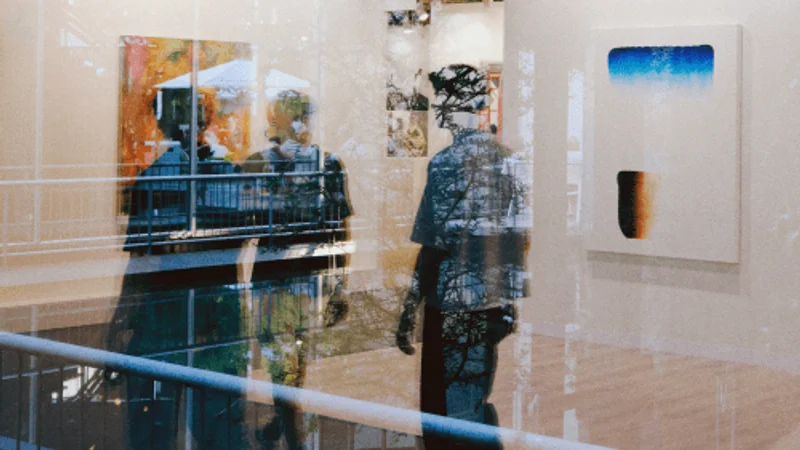
Image: Artbasel
Main Takeaway
Gen Z high-net-worth collectors spent an average of $328,880 on fine art in early 2026, signaling a generational shift in demand as inherited wealth changes the market.
Jump to Key PointsSummary
Gen Z takes the spending lead
Gen Z high-net-worth collectors spent more on fine art than any other generation in 2025 and the first half of 2026, according to the Art Basel and UBS Survey of Global Collecting. The youngest collectors surveyed reported average spending of $328,880 during the first half of 2026, more than twice the average reported for baby boomers and millennials, Fortune AI reported.
Gen Z also represented nearly half of high-net-worth collectors who bought works priced at about $1 million, giving the spending figures added weight despite the generation’s small age range. The survey tracks wealthy collectors rather than the broader population, so its findings describe an affluent market segment, not typical Gen Z household behavior. Still, the results place younger buyers at the center of the art market’s next phase.
A new collector profile
Younger collectors are changing both what enters collections and how purchases happen. Digital access, social platforms, design culture, and direct engagement with artists have widened the routes into collecting, while Gen Z buyers show greater interest in contemporary, emerging, digital, and culturally significant work. Art Basel described the market’s newer patrons as young, digitally fluent, and increasingly female.
The survey also points to more exploratory buying. Women collectors outspent men in the survey and were more willing to purchase works by artists they didn’t already know, Hyperallergic reported. That pattern aligns with a broader shift away from collecting built mainly around established names and inherited status. Younger buyers still care about financial value, but identity, cultural relevance, transparency, and personal connection play a larger role in deciding what belongs in a collection.
Spending stays private
High Gen Z spending doesn’t translate into conspicuous online display. Wealthy young collectors surveyed by Fortune kept much of their collecting activity off Instagram, showing that digital fluency and public visibility are separate behaviors. Private buying, advisory relationships, and discreet access remain important even as younger clients discover artists through online channels.
That combination creates a more complicated market signal. Social media can introduce artists and build demand, but the most valuable transactions still depend on trust, authentication, private networks, and specialist advice. Galleries and advisers are therefore responding to clients who may arrive with strong digital knowledge while requiring the same due diligence, storage, tax planning, and provenance services as older collectors. The result is a hybrid market: digital in discovery, private in execution, and increasingly diverse in taste.
The wealth transfer reshapes demand
The generational shift in art buying is tied to a much larger transfer of assets. Cerulli Associates projects that $84.4 trillion in U.S. household wealth will pass from baby boomers and older Americans to heirs and charities through 2045, with $72.6 trillion going to heirs, according to Masterworks. UBS has framed the transfer as a financial and planning event that requires families to address ownership, succession, taxation, and professional advice.
Art and collectibles form one part of that transfer, but they carry special complications. Works can be valuable, difficult to divide, costly to store, and highly sensitive to changing tastes. Research and commentary from Maddox Gallery, MyArtBroker, and The Art Bystander describe a coming reassessment of inherited collections as younger heirs decide what to keep, sell, lend, or redistribute. Those choices will affect supply, pricing, and which artists receive institutional and commercial attention.
Inherited collections face a test
The next art-market contest will involve both new purchases and existing collections coming under review. The Art Bystander estimates that almost $1 trillion in art and collectibles could pass between generations over the next decade, while MyArtBroker focuses on valuable print collections currently concentrated among older collectors. Inherited works won’t all reach auction at once, but each transfer creates a decision about relevance, liquidity, and stewardship.
That pressure favors organizations able to explain an artwork’s value beyond its auction estimate. Galleries may need stronger digital communication and clearer provenance records. Auction houses will face more competition for consignments and more scrutiny around pricing. Advisers will help heirs determine whether a collection is a financial asset, a cultural responsibility, or simply property they don’t want. Tokenized collectibles and digital ownership tools are also entering the conversation, although their role remains less established than traditional market infrastructure.
What the market does next
The survey’s clearest message is that younger wealth is already influencing art demand, before the full inheritance cycle arrives. Gen Z spending, women’s stronger participation, and the rise of digital discovery are widening the buyer base and changing the balance between established prestige and emerging cultural relevance.
The market’s next test is conversion. Galleries and advisers must turn online attention into credible transactions, while collectors need reliable information about authenticity, valuation, ownership, and long-term care. UBS and Art Basel’s findings give the industry a strong directional signal, but the results come from high-net-worth respondents and should be read within that limitation. As wealth changes hands, the winners will be the artists, platforms, and institutions that connect younger collectors’ values with dependable market access.
Key Points
Gen Z high-net-worth collectors led all generations in fine-art spending during 2025 and early 2026.
Gen Z collectors reported average fine-art spending of $328,880 in the first half of 2026.
Nearly half of buyers purchasing artworks near $1 million were Gen Z collectors.
Women collectors outspent men and bought unfamiliar artists more frequently in the survey.
An estimated $84.4 trillion wealth transfer will reshape art ownership, collecting, and inherited collections.
Questions Answered
Gen Z high-net-worth collectors spent an average of $328,880 on fine art in the first half of 2026. That figure was more than twice the average spending reported for baby boomers and millennials in the survey.
Gen Z is important because surveyed wealthy members already lead art spending and influence preferences for emerging, contemporary, digital, and culture-driven work. Their role will expand as younger heirs receive assets through the Great Wealth Transfer.
Women collectors outspent men in the Art Basel and UBS survey. They were also more willing to buy works by artists they didn’t already know, broadening demand beyond established names.
The Great Wealth Transfer will push heirs to decide whether to keep, sell, lend, or redistribute inherited art and collectibles. Those decisions will affect auction supply, pricing, provenance services, storage, taxation, and demand for emerging artists.
Gen Z collectors often discover art through digital channels, but high-value purchases frequently remain private. The market combines online discovery with confidential transactions, specialist advice, authentication, and wealth planning.
Source Reliability
45% of sources are established · Avg reliability: 61
Go deeper with Organic Intel
Simple AI systems for your life, work, and business. Each one includes copyable prompts, guides, and downloadable resources.
Explore Systems