Facebook Lets Users Steer Feed Recommendations With Natural-Language AI Controls
Meta’s new Your Algorithm feature lets Facebook users describe interests and adjust Feed and Reels recommendations with natural-language preferences.
AI companies’ rising valuations, debt and circular investment deals are drawing warnings from the IMF and BIS about risks spreading through global markets.
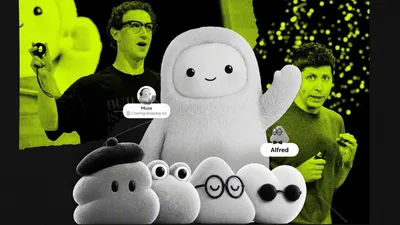
Meta introduced Muse Wonder and Muse Wonder Full, frontier-class models designed to compete with OpenAI and Anthropic while powering the company’s Muse agent.
AI-related companies have issued hundreds of billions of dollars in debt in 2026, reshaping bond indexes, raising yields, and concentrating investor exposure around the technology buildout.
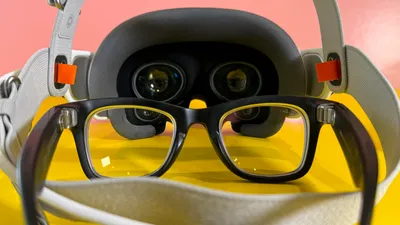
Apple CEO John Ternus is defending Vision Pro as a long-term platform while Meta’s cheaper glasses expose the price and usability gap facing Apple’s spatial-computing strategy.
Meta’s Muse has taken an early lead over OpenAI’s Dots by pairing consumer reach with a friendlier agent experience, intensifying competition over privacy and autonomy.
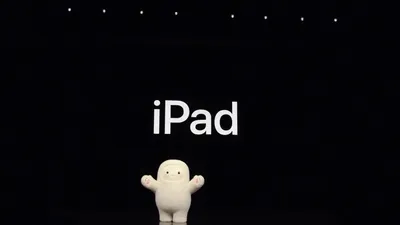
Meta launched its Muse AI agent on iPad one month after its mobile debut, extending the assistant’s reach as it pursues consumer and small-business adoption.
Zuckerberg-backed Biohub, U.S. agencies, Google and partners committed $1.8 billion to open biological data, computing and tools for predictive AI models.
Norway plans a temporary ban on AI glasses in some public spaces, making privacy protections for wearable cameras an urgent policy test.
Former Anthropic researcher Jacob Coxon and executives from Google, OpenAI, Meta, and Anthropic are appearing before New York City lawmakers to address AI safety concerns.
Meta has open sourced the Muse Gadget SDK, allowing developers to connect the personal AI agent to custom devices such as displays, HDMI sticks, and touchscreens.
President Donald Trump and leading AI companies signed a voluntary accord for internal and external safety reviews, leaving enforcement largely to the industry.
Meta’s Muse AI agent faces competing accounts over private Messages access, misleading permission explanations, and a separate Mac vulnerability that broadens scrutiny of its data controls.
Meta’s Muse AI sent YouTuber Matt Robb’s home address to a stranger while managing a Facebook Marketplace sale, intensifying scrutiny as Meta expands the agent to small businesses.
OpenAI launched Dots, always-on agents powered by GPT-6 Astra, as DevDay 2026 positions the company against Meta and a crowded field of persistent assistants.