Meta Unveils Muse Wonder Models in Bid to Reclaim the AI Frontier
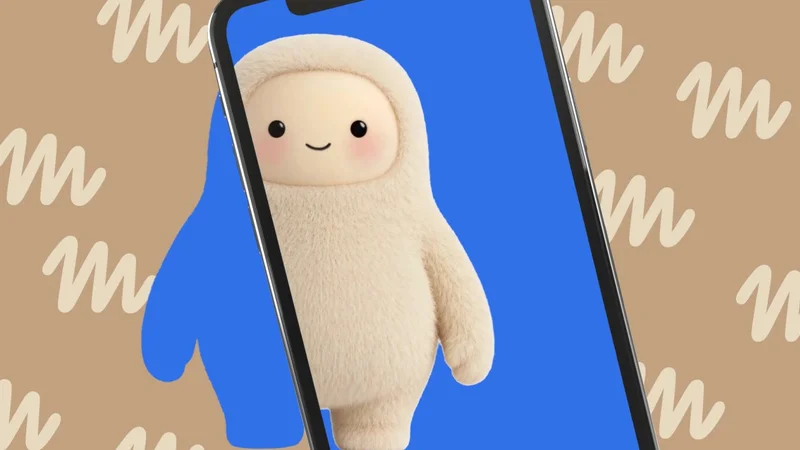
Image: The Verge AI
Main Takeaway
Meta introduced Muse Wonder and Muse Wonder Full, frontier-class models designed to compete with OpenAI and Anthropic while powering the company’s Muse agent.
Jump to Key PointsSummary
Meta’s rebuilt AI push reaches a test
Meta introduced Muse Wonder and Muse Wonder Full as its latest attempt to match the strongest AI systems from OpenAI and Anthropic. The models mark the most significant public result yet from the company’s rebuilt artificial intelligence effort, a 14-month push led by its Superintelligence Labs. Bloomberg described Muse Wonder as a key test of that expensive reorganization, while Axios characterized the releases as frontier-class systems aimed directly at Meta’s leading rivals.
The launch follows Muse Spark, an earlier model from the revamped organization. Together, the releases show Meta assembling a broader model family rather than betting on one general-purpose system. The company’s claims remain self-assessments, but the launch gives Meta a concrete way to measure whether its recruitment drive and enlarged AI spending are producing competitive technology.
Two models target frontier performance
Muse Wonder Full is positioned as Meta’s flagship model, with performance intended to rival the best systems available. The model also includes features designed to keep AI agents from drifting off task or taking unsafe actions, a focus that connects model quality with reliability in extended workflows. The Verge said the models will soon power Meta’s Muse agent, giving the release a direct product path beyond benchmark comparisons.
Muse Wonder is presented as the core frontier model in the lineup, while Muse Wonder Full adds capabilities associated with agent operation. The distinction matters because Meta is competing on two fronts: raw model performance and the ability to turn that performance into a dependable assistant. The Wall Street Journal described the new model as state-of-the-art and tied it to a smarter Muse agent, reinforcing the company’s emphasis on practical deployment.
Muse expands beyond text
Meta’s new AI portfolio also includes Muse Image and Muse Video, extending the company’s model strategy into visual generation. Meta’s AI blog introduced both systems, and CNBC identified Muse Image as the first image model from Superintelligence Labs. Their arrival gives the organization a role in image and video generation alongside its work on language models and agents.
That breadth creates a more integrated product strategy. Muse Wonder can supply reasoning and language capabilities, while Muse Image and Muse Video address creative generation. Meta’s consumer services, including its social platforms and AI assistant, give the company distribution for these systems. The releases also place pressure on competing labs to defend their position across several model categories instead of focusing only on chatbots.
The agent deployment raises the stakes
Meta’s plan to use Muse Wonder in Muse makes reliability central to the launch. An agent must maintain context, follow instructions over multiple steps, and avoid actions that send a task off course. The model’s safeguards for agent behavior therefore matter as much as its headline capability, especially if Meta places it inside products used by a large consumer audience.
The company’s strategy links research progress to visible software. A stronger Muse agent would give Meta a way to turn its model investment into a daily product, while a weak rollout would expose the distance between benchmark claims and dependable use. The Verge and the Wall Street Journal both connected the new models to Muse, while Wired highlighted the systems’ effort to prevent agents from going off the rails.
Meta’s expensive bet faces scrutiny
The models are also a referendum on Mark Zuckerberg’s decision to accelerate Meta’s AI investment. Wired framed the effort as a costly gamble that now shows signs of paying off, while Bloomberg focused on the 14-month push behind the new system. Meta has spent heavily to rebuild its position after rivals gained momentum in frontier models, making this release important for both technology and corporate strategy.
The launch will be judged by independent evaluations, user experience, availability, and the pace of future releases. Meta’s own frontier claims establish its ambition, not a final industry ranking. OpenAI and Anthropic remain the comparison points named across coverage, and Meta’s progress gives the competitive race another well-funded participant with enormous distribution.
What happens next for Meta
Meta’s next challenge is turning Muse Wonder into a reliable product while proving that Muse Image and Muse Video can compete beyond announcement day. The company has already signaled a multi-model strategy spanning language, agents, images, and video. That approach can strengthen Meta’s consumer services, but it also increases the number of systems that require evaluation, safety controls, infrastructure, and sustained investment.
The immediate milestones are public access, independent testing, and Muse’s performance in real tasks. If the models deliver on Meta’s claims, the company will have restored a credible place among frontier AI developers. If deployment exposes reliability or quality gaps, the launch will look more like a reset than a breakthrough.
Key Points
Meta introduced Muse Wonder models to compete with OpenAI and Anthropic at the AI frontier.
Muse Wonder Full adds safeguards designed to keep Meta’s Muse agent on task.
Meta’s Superintelligence Labs produced Muse Image and Muse Video for visual generation.
The Muse lineup follows Muse Spark as Meta rebuilds its expensive AI organization.
Independent testing and real-world Muse performance will determine Meta’s frontier-model claims.
Questions Answered
Meta’s Muse Wonder and Muse Wonder Full are new frontier-class AI models designed to compete with leading systems from OpenAI and Anthropic. Muse Wonder Full also emphasizes features for more reliable AI-agent behavior.
Meta plans to use Muse Wonder to power its Muse AI agent. The deployment will test whether the model can handle multistep tasks while maintaining context and staying on instruction.
Meta Muse Image and Muse Video are generative models for creating images and video. Meta introduced them as part of the same expanding Muse family, and Muse Image is the first image model from Superintelligence Labs.
Meta’s Muse Wonder models are a major test of the company’s rebuilt Superintelligence Labs and its heavy AI investment. Strong performance would give Meta a more credible position against OpenAI and Anthropic.
Meta must demonstrate the models through public access, independent evaluations, and real-world Muse agent performance. Those results will show whether the launch delivers durable progress beyond Meta’s own claims.
Source Reliability
50% of sources are highly trusted · Avg reliability: 80
Go deeper with Organic Intel
Simple AI systems for your life, work, and business. Each one includes copyable prompts, guides, and downloadable resources.
Explore Systems