Meta Brings Muse to iPad as AI Agent Tops App Store and Expands Toward Small Business
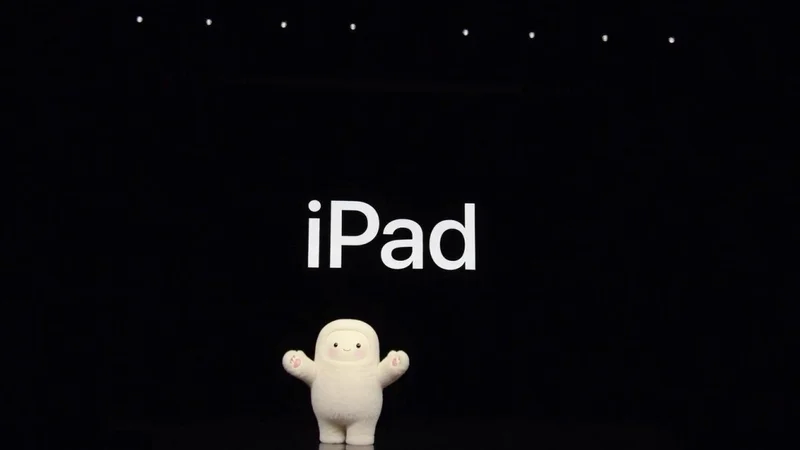
Image: The Verge AI
Main Takeaway
Meta launched its Muse AI agent on iPad one month after its mobile debut, extending the assistant’s reach as it pursues consumer and small-business adoption.
Jump to Key PointsSummary
Meta expands Muse to iPad
Meta launched its Muse AI agent as a dedicated iPad app on Oct. 7, extending the product to Apple’s larger tablet display roughly 1 month after its iPhone debut. The release gives Muse support for iPad multitasking and a screen better suited to longer conversations, research, and work across multiple apps.
The iPad rollout marks a rapid follow-up to Muse’s mobile launch. Meta announced the app through Threads, while the App Store listing confirms a dedicated iPad download. The release also creates an unusual contrast inside Meta’s app portfolio: Muse reached iPad within weeks, while Instagram took roughly 15 years to release a native iPad app, a comparison highlighted by TechCrunch and The Verge.
Why the tablet launch matters
Muse’s iPad arrival gives Meta a larger canvas for an assistant built around text and conversational interaction. The format fits split-screen use, letting people keep Muse open beside a browser, document, or other application while they work. That makes the tablet version more relevant to planning, writing, information gathering, and other tasks that benefit from persistent screen space.
The technical lift is also more contained than adapting a visually complex social network. TechCrunch noted that Muse’s text-heavy interface makes an iPad release easier to execute than a full redesign of Instagram. The result is a faster product cycle, with Meta prioritizing the platforms where an AI assistant can gain daily usage rather than waiting for every app experience to receive equivalent tablet support.
Early traction raises the stakes
Muse’s early popularity has given the iPad release a stronger launch platform. Fox Business reported that the agent reached the top position among free apps on Apple’s App Store, ranking above ChatGPT. That placement indicates strong initial curiosity and gives Meta a visible distribution advantage while Muse is still establishing its identity.
App Store rankings measure downloads and momentum, not sustained engagement or answer quality. AppleInsider’s headline took a more skeptical view of the release, signaling that availability alone doesn't settle whether Muse is ready for broad use. Meta now has to convert attention into repeat sessions, reliable responses, and clear reasons for users to choose Muse over established assistants.
Meta targets work beyond consumers
The tablet launch arrives as Meta broadens Muse beyond a general consumer assistant. CNBC reported that Meta launched Muse for small businesses as CEO Mark Zuckerberg pushes the company toward commercial uses of AI. That direction gives the iPad app a practical role for owners and operators who already use tablets for communication, scheduling, customer service, or business administration.
Small-business adoption would also connect Muse to Meta’s wider network of products and customers. An assistant that helps with routine business tasks can strengthen Meta’s relationship with merchants and advertisers, while an iPad version makes the tool easier to use in offices, stores, and mobile work settings. The business expansion raises the standard for privacy, consistency, and support because mistakes carry operational costs.
The competitive test ahead
Muse’s fast platform expansion puts Meta into more direct competition with ChatGPT and other AI assistants. Winning App Store attention gives the company a strong opening, but durable competition will depend on product quality, integration, and trust rather than a single ranking. The iPad version adds reach, while the small-business push adds a second path to recurring use.
Meta’s next test is whether Muse can become a habitual assistant across devices and work contexts. The company has demonstrated speed by moving from mobile to iPad in about a month. It now needs to show that the same pace produces dependable features and useful workflows for both consumers and businesses, especially as skeptical reviews put pressure on the app’s practical value.
What happens next
Meta’s immediate opportunity is to build on iPad distribution while refining Muse for multitasking and business use. A dedicated tablet app gives the assistant a natural place in workflows that are awkward on a phone, and the App Store launch supplies a fresh acquisition channel after the mobile debut.
The broader story is Meta’s attempt to turn AI attention into a product ecosystem. Muse now has a faster tablet rollout than Instagram, early store momentum, and an expanding commercial brief. Its progress will be measured by retention, business adoption, and how convincingly it separates itself from ChatGPT and other established assistants.
Key Points
Meta launched its Muse AI agent on iPad roughly one month after its iPhone debut.
Muse supports iPad’s larger screen and multitasking features for consumer and work-oriented use.
Muse reached Apple’s top free App Store ranking above ChatGPT, according to Fox Business.
Meta is expanding Muse into small-business use as Zuckerberg pursues commercial AI adoption.
Muse’s rapid iPad rollout contrasts with Instagram’s roughly 15-year wait for a native tablet app.
Questions Answered
Meta Muse on iPad is a dedicated tablet app for Meta’s AI agent. It supports the iPad’s larger display and multitasking features, making conversational tasks easier to use beside other apps.
Meta launched Muse for iPad on Oct. 7, 2026. The release came about 1 month after Muse debuted on iPhone.
Meta Muse ranked above ChatGPT among Apple’s top free apps, according to Fox Business. The ranking shows strong early download momentum, but it doesn't establish long-term engagement or product quality.
Meta is targeting small businesses with Muse to expand its AI business beyond consumer use. The assistant could fit tablet-based workflows involving communication, planning, customer service, and routine administration.
Meta brought Muse to iPad about 1 month after its mobile debut, while Instagram took roughly 15 years to release a native iPad app. The contrast highlights Meta’s faster product cycle for AI software.
Source Reliability
44% of sources are highly trusted · Avg reliability: 70
Go deeper with Organic Intel
Simple AI systems for your life, work, and business. Each one includes copyable prompts, guides, and downloadable resources.
Explore Systems