YouTube Horror Directors Topple Star Wars as Backrooms and Obsession Rewrite Hollywood Economics
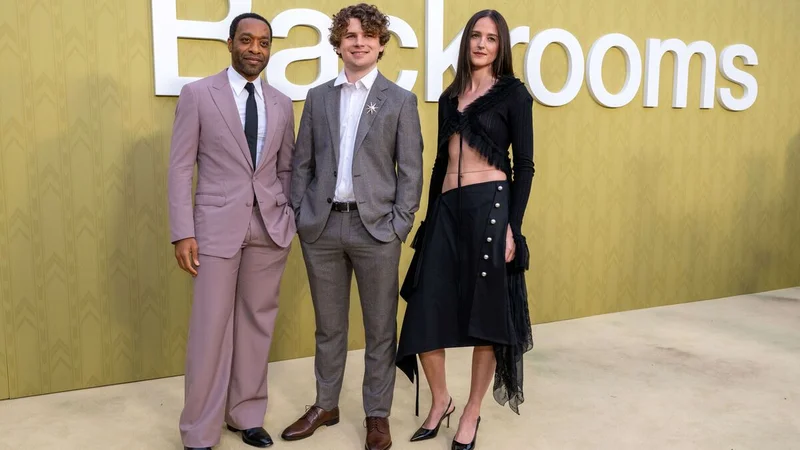
Image: Bloomberg AI
Main Takeaway
YouTubers Kane Parsons and Curry Barker directed horror films that earned $81.5 million and $24 million respectively, outperforming The Mandalorian and Grogu.
Jump to Key PointsSummary
How two YouTube creators conquered the box office
Kane Parsons and Curry Barker became the face of a Hollywood inflection point this Memorial Day weekend. Parsons, a 20-year-old YouTube creator, directed Backrooms, which opened to $81.4 million domestically on a $10 million budget. Barker's Obsession, made for under $1 million, added roughly $24 million in its second weekend, a 30% jump from its debut. Together, the two films outpaced The Mandalorian and Grogu, the Star Wars franchise entry that fell sharply in its sophomore frame.
The numbers are startling because of where they came from. Backrooms originated as a YouTube short Parsons posted at age 15. Obsession emerged from Barker's online content. Neither director attended film school or worked through traditional studio development pipelines. A24 released Backrooms in 3,442 theaters. Focus Features handled Obsession. Both studios bet on internet-native talent with built-in audiences, and both bets paid out immediately.
What this means for Hollywood's talent pipeline
Studios have spent decades refining how they find and cultivate directors. That machinery now looks slow and expensive compared to what just happened. Parsons and Barker arrived with pre-validated visual styles, established fanbases, and content libraries that functioned as proof-of-concept reels. They did not need screenwriting fellowships or assistant director gigs. They needed subscriber counts and algorithmic reach.
Bloomberg frames this as the dawn of "the YouTube filmmaker," a category that compresses the traditional apprenticeship into years of platform-native experimentation. The model offers studios something they rarely get: known quantities at unknown discounts. Backrooms cost one-tenth of a typical superhero production. Obsession cost less than a single episode of prestige television. Yet both films generated conversation and ticket sales that eluded far more expensive properties.
Why horror became the proving ground
Horror has always tolerated outsiders better than other genres. Low barriers to entry, passionate niche audiences, and tolerance for rough edges make it friendly to newcomers with something to prove. YouTube rewards the same qualities: immediacy, authenticity, willingness to shock or unsettle. The overlap is not accidental.
Rue Morgue notes that Backrooms now ranks fourth among all horror openings, behind only It, It Chapter Two, and Halloween (2018). For a film born from creepypasta and liminal-space memes, this is unprecedented cultural velocity. The Ringer's review calls Parsons's visual approach "idling" in the Kubrickian sense, roving and atmospheric rather than plot-driven. That criticism, whether fair or not, describes a style forged in the attention economy of online video, where mood often matters more than narrative architecture.
The Gen Z audience nobody else reached
Young audiences showed up for these films in ways they did not for established franchises. StamfordAdvocate reports that theaters filled with viewers who do not typically rush to opening weekends. The demographic shift matters because Hollywood has spent years lamenting the erosion of theatrical attendance among viewers under 25.
These audiences did not need marketing campaigns to tell them who Parsons and Barker were. They arrived already invested, having followed these creators through years of content. Fortune quotes an unnamed studio executive calling the weekend "a real turning point." The observation is obvious but worth stating: platforms now build audiences faster and more cheaply than traditional development, and those audiences will follow creators across media boundaries.
Questions about who gets to make this transition
Not everyone on YouTube gets the same shot. SlashFilm raises what it calls "a difficult conversation" about platform demographics, noting that the YouTube-to-Hollywood pipeline has so far channeled almost exclusively young men into directing opportunities. The observation does not diminish what Parsons and Barker achieved, but it contextualizes it. YouTube's algorithmic and cultural dynamics favor certain voices, and Hollywood's eagerness to tap those voices replicates existing biases under new branding.
The concern extends beyond representation to sustainability. Not every YouTube creator wants to make horror. Not every horror YouTuber wants to make features. The current moment risks becoming a template that selects for a narrow type of creator working in a narrow genre, even as it presents itself as democratization.
What happens when the novelty wears off
The financial logic is now proven. What remains uncertain is whether this model produces durable filmmaking careers or merely extracts value from pre-built audiences before moving on. Sean Fennessey's Substack analysis suggests the films reveal as much about moviegoing's future as filmmaking's, specifically the rise of eventized, community-driven theatrical experiences that resist streaming's individualization.
A24 and Focus Features will certainly try to replicate this success. Other studios have already begun mining YouTube for next projects. The risk is that the pipeline becomes as formulaic as the studio system it supplants, with algorithmic metrics replacing box office track records as the new gatekeeping vocabulary. For now, though, the economics are irresistible. Backrooms and Obsession did not merely beat Star Wars. They demonstrated that Star Wars-scale spending is optional for Star Wars-scale cultural presence.
Key Points
YouTubers Kane Parsons and Curry Barker directed two horror films that dominated the Memorial Day box office
Backrooms opened to $81.4 million on a $10 million budget, fourth-biggest horror opening ever
Obsession earned roughly $24 million in its second weekend after a sub-$1 million production cost
Both films outperformed The Mandalorian and Grogu, which fell sharply in its second weekend
The success signals Hollywood's growing reliance on platform-native creators with built-in audiences
Questions Answered
Kane Parsons, a 20-year-old YouTuber, directed Backrooms. Curry Barker, another YouTube creator, directed Obsession.
Backrooms had a $10 million budget. Obsession was made for under $1 million.
Yes. Backrooms and Obsession together outperformed The Mandalorian and Grogu, which fell sharply in its second weekend.
A24 released Backrooms in 3,442 theaters. Focus Features distributed Obsession.
Horror has historically welcomed outsiders and low-budget experimentation. YouTube rewards similar qualities like immediacy and visual atmosphere.
Yes. Critics note the YouTube-to-Hollywood pipeline has favored young men so far, and question whether this model builds lasting careers or just extracts value from existing audiences.
Source Reliability
44% of sources are trusted · Avg reliability: 69
Go deeper with Organic Intel
Simple AI systems for your life, work, and business. Each one includes copyable prompts, guides, and downloadable resources.
Explore Systems