Apple Sues OpenAI, Accusing Hardware Chief Tang Tan of Orchestrating Trade Secret Theft
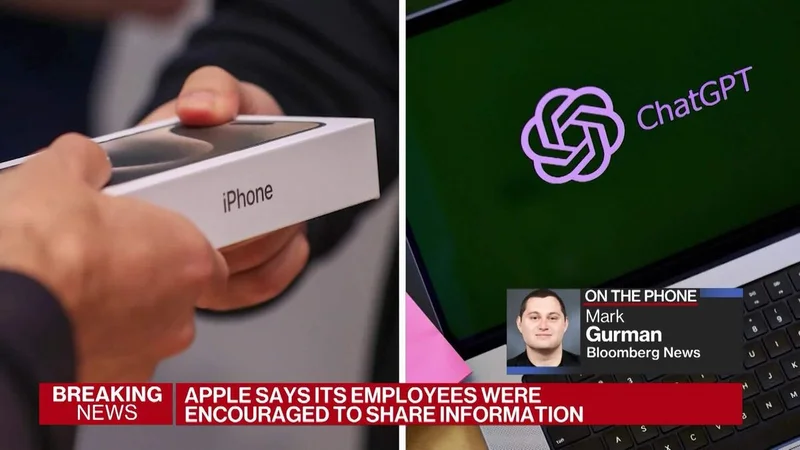
Image: Bloomberg AI
Main Takeaway
Apple filed a federal lawsuit against OpenAI, alleging its hardware chief Tang Tan directed a coordinated campaign to steal unreleased prototypes.
Jump to Key PointsSummary
The core allegations in Apple's federal complaint
Apple filed a lawsuit against OpenAI in the U.S. District Court for the Northern District of California on Friday, accusing the AI company and its chief hardware officer, Tang Tan, of orchestrating a systematic theft of trade secrets. The complaint, obtained by TechCrunch and The Verge, alleges a pattern of misconduct directed by OpenAI's senior leadership.
Tan spent 24 years at Apple overseeing iPhone product design before joining OpenAI. According to Bloomberg, Apple claims Tan used confidential project code names during OpenAI's recruiting process and instructed job candidates to bring Apple hardware components to interviews. Wired reports that Tan allegedly coached recruits on evading Apple's data security protocols, directing them to bring confidential presentations, secret prototypes, and key supplier details.
How the alleged theft operation worked
The lawsuit describes a coordinated recruitment strategy targeting Apple employees with access to unreleased technology. Wired details that OpenAI encouraged departing or wavering Apple staff to bring proprietary hardware, unreleased parts, and documents about stealth projects with them. The Verge notes Apple uncovered what it calls a "pattern of theft" from OpenAI employees who formerly worked at Apple.
TechCrunch reports the complaint specifies Tan asked job candidates to physically bring in Apple hardware components. The alleged misconduct was not opportunistic, Apple argues, but directed from the top. Bloomberg characterizes it as a coordinated campaign to steal information about upcoming products, a framing that elevates the case beyond typical employee poaching disputes into something more systematic.
Tang Tan's role and the Jony Ive connection
Tang Tan is the central figure in Apple's complaint. His 24-year tenure at Apple gave him deep access to iPhone product design secrets, and his move to OpenAI as chief hardware officer placed him at the intersection of two fiercely competitive companies. The lawsuit accuses Tan of leveraging that insider knowledge during recruiting.
A separate legal filing from 9to5Mac reveals a parallel thread: a hearing device startup called iyO alleges that former Apple designer and io co-founder Tang Tan was given access to its confidential designs. OpenAI had acquired io, a company founded by Jony Ive, nearly a year prior. That acquisition triggered a trademark lawsuit from iyO, which claimed OpenAI improperly used a confusingly similar name. This broader legal web suggests Tan's activities are under scrutiny from multiple angles.
The broader AI trade secret battlefield
Apple's lawsuit lands in an already heated legal environment. Courthouse News reports that a judge recently tossed xAI's claims that OpenAI stole trade secrets, a case documented by Beck Reed Riden LLP as part of an expanding trade secret battle in the AI race. That dismissal does not directly affect Apple's suit, but it underscores how aggressively AI companies are litigating over talent and intellectual property.
Bloomberg frames the Apple filing as a blockbuster case, signaling that hardware secrets, not just software or training data, are now central to AI competition. Apple's decision to sue rather than arbitrate or settle privately indicates a willingness to air grievances in open court, potentially exposing internal OpenAI recruiting practices to public scrutiny.
What Apple wants and the potential stakes
Apple's complaint seeks damages and injunctive relief, though specific remedies have not been fully detailed in early reporting. The Verge confirms the lawsuit accuses former employees of stealing trade secrets "for the benefit of OpenAI," implying Apple will argue OpenAI gained competitive advantage from the alleged theft.
If Apple prevails, OpenAI could face financial penalties, restrictions on using certain hardware designs, and reputational damage that complicates future hiring from Apple and other large tech firms. The case also tests how courts will treat trade secret claims in the AI sector, where the line between an employee's general knowledge and proprietary information is fiercely contested.
What happens next in the legal process
The case is now before the U.S. District Court for the Northern District of California. OpenAI has not yet filed a public response to the allegations. Given the high profile of both companies, legal observers expect aggressive motion practice, including potential efforts by OpenAI to dismiss or seal portions of the complaint.
Discovery, if the case proceeds, could expose internal OpenAI communications about recruiting strategy and Tan's specific instructions to candidates. The parallel iyO case and the dismissed xAI claims create a complex litigation ecosystem around OpenAI, with Apple now the most formidable plaintiff to enter the fray.
Key Points
Apple sued OpenAI in federal court for an alleged trade secret theft campaign directed by hardware chief Tang Tan.
Tan, a 24-year Apple veteran, is accused of using confidential code names and instructing recruits to bring Apple prototypes.
The lawsuit claims OpenAI's senior leadership orchestrated a systematic pattern of theft from former Apple employees.
Apple seeks damages and injunctive relief, potentially restricting OpenAI's use of disputed hardware designs.
The case joins a wider AI trade secret legal battle, including a dismissed xAI suit and a separate iyO trademark claim involving Tan.
Questions Answered
Apple alleges OpenAI and its hardware chief Tang Tan ran a coordinated campaign to steal trade secrets. The complaint says Tan used confidential Apple project code names while recruiting, told candidates to bring hardware components to interviews, and coached employees on bypassing Apple's security protocols to take unreleased prototypes and confidential documents.
Tang Tan is OpenAI's chief hardware officer who previously spent 24 years at Apple overseeing iPhone product design. Apple claims he leveraged his insider knowledge to direct a systematic theft of trade secrets during OpenAI's recruiting of former Apple employees.
According to Wired and Bloomberg, the alleged stolen secrets include unreleased parts and prototypes, confidential hardware designs, documents about stealth projects, and key supplier details. Apple says OpenAI employees brought these materials from Apple for OpenAI's benefit.
As of the initial reports on July 10, 2026, OpenAI had not filed a public response to Apple's complaint. The case was just filed in the U.S. District Court for the Northern District of California, and OpenAI's legal team has not yet commented publicly.
Apple's suit joins a broader legal landscape. Courthouse News reports a judge recently dismissed xAI's trade secret claims against OpenAI. Separately, 9to5Mac details a trademark lawsuit from startup iyO alleging Tang Tan accessed its confidential designs, stemming from OpenAI's acquisition of Jony Ive's company io.
Source Reliability
50% of sources are highly trusted · Avg reliability: 73
Go deeper with Organic Intel
Simple AI systems for your life, work, and business. Each one includes copyable prompts, guides, and downloadable resources.
Explore Systems