Trump Orders Smaller U.S.-South Korea Drills, Linking Alliance Policy to Kim Jong Un Relationship
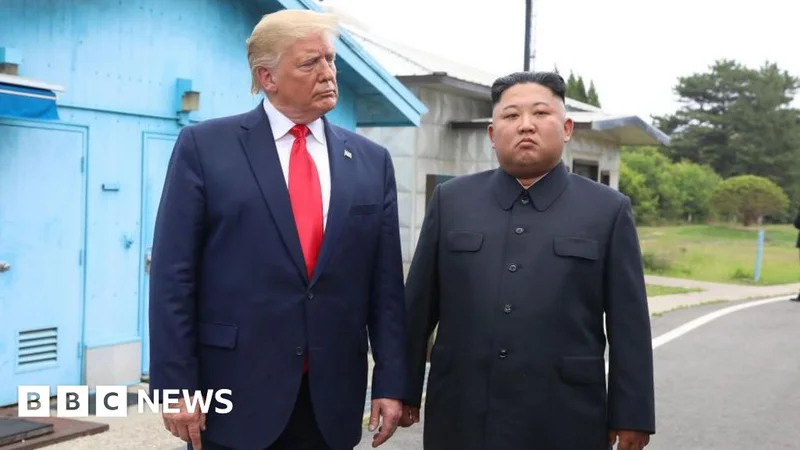
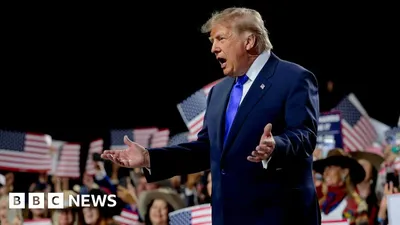
Image: Bbc
Main Takeaway
Donald Trump ordered the Pentagon to substantially reduce U.S.-South Korea military exercises, citing his relationship with Kim Jong Un and Seoul’s refusal to assist with Iran.
Jump to Key PointsSummary
Trump orders an abrupt reduction
President Donald Trump ordered the Pentagon to substantially reduce joint military exercises with South Korea, announcing the decision hours before the annual drills were scheduled to begin. The move affects exercises designed to maintain combined readiness and deter North Korea on the Korean Peninsula.
Trump said the drills are costly and send a “totally inappropriate and hostile” signal to Pyongyang. He tied the decision to his “very good relationship” with North Korean leader Kim Jong Un and criticized South Korea for declining to help the United States with efforts to denuclearize Iran. The announcement placed a long-standing military arrangement inside a broader dispute over alliance contributions and U.S. foreign policy priorities.
Seoul drills start as scheduled
South Korea and the United States began the exercises as scheduled on Monday, despite Trump’s order to scale them back. South Korea’s Joint Chiefs of Staff told Reuters that the drills started on time, indicating that the immediate change did not cancel the operation altogether.
The exercises fall under Ulchi Freedom Shield, one of 2 major annual U.S.-South Korean training events. Such exercises combine computer simulations with field training and logistics operations, giving forces from both countries practice coordinating command, reinforcement and combat support. The timing of Trump’s instruction left military planners to determine which elements would be reduced while the broader exercise proceeded. The Guardian, CNN and Finance Yahoo described the decision as abrupt, while CNBC and BBC reported that the scheduled start went ahead.
Trump’s case for changing the drills
Trump presented the reduction as a response to 2 grievances: South Korea’s refusal to participate in the Iran effort and the cost of maintaining large-scale exercises. He also argued that North Korea had been “unthreatening and respectful,” a characterization that contrasts with the military rationale behind the drills.
The president’s explanation gives personal diplomacy with Kim a direct role in decisions normally shaped by threat assessments and alliance planning. Trump has highlighted his relationship with Kim before, including a 2019 meeting at the Demilitarized Zone. Fortune’s coverage noted that Trump had posted a photograph with Kim a day before the order, reinforcing the connection between the public display of rapport and the policy announcement.
Alliance tensions come into view
The reduction puts pressure on the U.S.-South Korean alliance because the drills serve both military and political purposes. They train forces for a conflict while signaling that Washington remains committed to Seoul’s defense. Cutting them can reduce visible friction with Pyongyang, but it also creates uncertainty about how much operational readiness the alliance intends to preserve.
South Korea’s position is especially sensitive because Seoul remains directly exposed to North Korean military power. The New York Times framed Trump’s outreach to Kim as straining the alliance, while other coverage emphasized that the order followed a dispute over Iran rather than a new agreement with Pyongyang. The decision therefore links regional deterrence to a separate foreign-policy disagreement, giving Seoul less control over the military posture on its own peninsula.
North Korea’s capabilities remain a concern
U.S. and South Korean military officials have warned that North Korea is gaining battlefield experience and new capabilities through its relationship with Russia and the war in Ukraine. The Guardian reported that officials were concerned Kim’s regime was learning from the conflict even as Trump described North Korea as unthreatening.
That tension creates a gap between political messaging and military planning. Exercises are intended to prepare commanders for changing tactics, improve interoperability and test logistics under pressure. A reduction may lower the exercises’ provocative profile, but it also limits opportunities to practice against the conditions officials say are evolving. The immediate operational effect will depend on which training elements the Pentagon removes and whether future exercises receive similar restrictions.
What happens next
The Pentagon and South Korean command will now have to translate Trump’s broad order into concrete changes while keeping the current exercise functional. The opening of the drills on schedule points to continuity in the short term, but the scale and content of later phases remain central to alliance planning.
The decision also sets a precedent for using training exercises as an instrument of personal diplomacy and leverage in disputes with allies. Further changes would affect readiness, deterrence messaging and negotiations with North Korea, while South Korea will weigh how to respond without weakening coordination with Washington. The next signals will come from the Pentagon, Seoul’s defense leadership and Pyongyang’s reaction to the reduced drills.
Key Points
Donald Trump ordered substantially smaller U.S.-South Korea military exercises before annual drills began.
South Korea and the United States started Ulchi Freedom Shield exercises on schedule despite Trump’s reduction order.
Trump linked the decision to Kim Jong Un ties, exercise costs and Seoul’s refusal to assist with Iran.
The order creates alliance tension by connecting Korean Peninsula readiness with a separate dispute over Iran.
Officials warn North Korea is gaining battlefield experience from Russia and the war in Ukraine.
Questions Answered
Donald Trump cited the cost of the exercises, South Korea’s refusal to help with Iran, and his good relationship with Kim Jong Un. He also said the drills send a hostile signal to North Korea.
South Korea and the United States began the exercises as scheduled on Monday. Trump’s order called for a substantial reduction, not an immediate cancellation of the entire operation.
Ulchi Freedom Shield is one of the 2 major annual military exercises conducted by the United States and South Korea. It supports combined readiness through command, field, simulation and logistics training.
Donald Trump’s order creates uncertainty over alliance readiness and Washington’s deterrence commitment to Seoul. It also links military planning on the Korean Peninsula to disagreements over Iran and Trump’s diplomacy with Kim Jong Un.
Officials warn that North Korea is gaining battlefield experience and new capabilities through its links to Russia and the Ukraine war. Smaller exercises can reduce training opportunities as North Korean tactics evolve.
Source Reliability
62% of sources are highly trusted · Avg reliability: 85
Go deeper with Organic Intel
Simple AI systems for your life, work, and business. Each one includes copyable prompts, guides, and downloadable resources.
Explore Systems