Trump Ties Iran War’s End to Midterms as Hormuz Talks Stall and Election Pressure Mounts
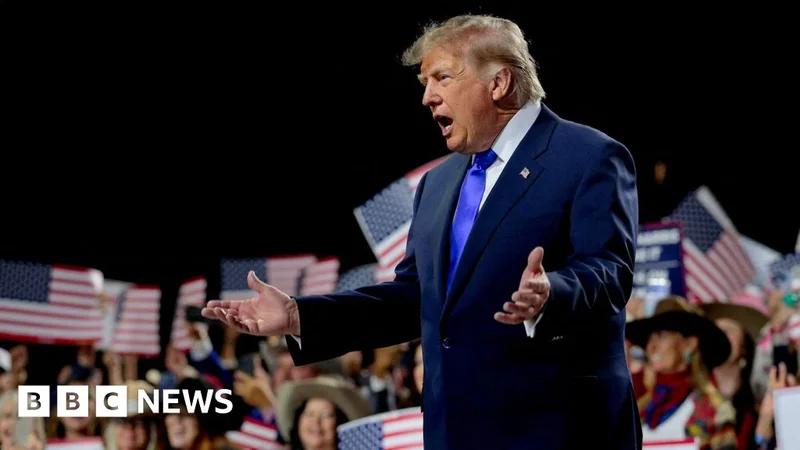
Image: Bbc
Main Takeaway
President Donald Trump says the Iran war will continue until after November’s midterms as talks over the Strait of Hormuz, oil prices, and a phased settlement remain unresolved.
Jump to Key PointsSummary
Trump sets a political timetable
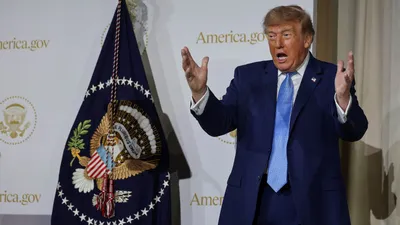
President Donald Trump has tied the end of the Iran war to the aftermath of November’s US midterm elections, saying the conflict will end “immediately” after the vote because Iran’s leaders will be unable to continue. He also said oil prices won’t fall before then, linking the war’s economic effects to the election calendar. BBC and Scripps News reported the comments as fighting flared and energy markets remained under pressure.
The statement gives a date to a conflict that has already lasted nearly 7 months, but it doesn’t establish that a settlement is agreed or that military operations will pause until November. The Globe and Mail noted the risks of setting fixed wartime deadlines, while The Hill and Politico framed Trump’s remarks as an admission that the war will continue through the elections.
Negotiations remain stuck
The war’s diplomatic track remains active even as public expectations for a quick ceasefire recede. US and Iranian negotiators in New York have discussed a phased arrangement in which Tehran would reopen the Strait of Hormuz and Washington would lift its economic blockade, according to Reuters AI. The strait has become the central bargaining chip because its closure disrupts energy shipments and gives Iran leverage over the conflict’s economic costs.
Separate discussions involving Qatari mediators, Iranian Foreign Minister Abbas Araghchi, and a US delegation that included Jared Kushner have also failed to produce a durable agreement. The Jerusalem Post described the negotiations as collapsing, while The Week reported that Trump rejected a Tehran ceasefire proposal because his administration expected military action to resume after the midterms. The competing tracks point to diplomacy continuing alongside preparations for renewed combat.
Why both sides are boxed in
Iran and the Trump administration face different pressures that make compromise difficult before November. Tehran wants sanctions and blockade relief, but it also seeks to preserve leverage through the Strait of Hormuz and present any agreement as a US concession. Fortune AI described Iranian officials as divided between public defiance and the economic damage caused by the conflict, with some seeking to humiliate Trump rather than surrender.
The White House faces a separate political constraint. A deal that looks like capitulation could anger Trump’s supporters, while a prolonged war is weighing on fuel costs, inflation, financial markets, and Republican candidates. The New York Times reported that the war is damaging Republicans in the midterms. The Week and The Globe and Mail both portrayed the election as a pressure point that shapes decisions in Washington and Tehran.
Energy costs spread the damage
The conflict’s economic impact extends well beyond the battlefield. Higher oil prices feed inflation, raise bond yields, and unsettle stock investors, according to Fortune AI. The same analysis described a chain running from blocked energy flows to higher consumer prices and a lower S&P 500 after its August peak. Trump’s prediction that prices won’t ease before the election places energy costs at the center of the political stakes.
Iran’s economy is under even heavier strain. The rial fell below 2.5 million to the US dollar, reaching a new record low after another record was set on September 2, Fortune AI reported. The currency collapse reflects the combined force of sanctions, the blockade, and wartime disruption. Reuters AI’s account of the Hormuz talks shows why reopening the strait is central to any economic relief, while Scripps News connected the week’s fighting with continued oil-price pressure.
Escalation remains a live risk
The conflict can still intensify before the midterms, even if both governments want to avoid an uncontrolled expansion. Fortune AI described a rinse-and-repeat cycle of talks, failed negotiations, and limited escalations, and said Iran may increase attacks to recover waning leverage. CNN’s timeline places the war in a broader sequence that began with US-Israeli strikes killing Iran’s supreme leader and later centered on brinkmanship around Hormuz.
A pause in major operations therefore wouldn’t resolve the underlying dispute. The Week reported expectations that US attacks could resume after the election, while the Jerusalem Post described a return to fighting as a consequence of failed negotiations. The result is a narrow diplomatic window: both sides have incentives to bargain, but each also sees timing, economic pressure, and military leverage as tools for the next phase.
What happens before November
The immediate test is whether negotiators can convert the Hormuz issue into a staged agreement before energy and electoral pressure intensify. A workable deal would need to connect the strait’s reopening with blockade relief and provide enough political cover for both governments. Reuters AI’s account offers the clearest outline of that possible sequence, but the Jerusalem Post and The Week describe talks that remain vulnerable to collapse.
For voters and markets, Trump’s timetable creates a simple benchmark: continued fighting, high energy costs, or renewed attacks would keep the war politically exposed through November. A ceasefire would ease pressure, but it would leave unresolved questions about sanctions, Iran’s military capacity, and the future of Hormuz. The election may mark the next major decision point, yet the conflict’s direction will depend on what each side can secure before then.
Key Points
Donald Trump says the Iran war will end immediately after November’s US midterm elections.
US and Iranian negotiators are exploring a phased Hormuz reopening and blockade-relief agreement.
Iran’s currency has fallen below 2.5 million rials per US dollar amid wartime economic pressure.
Elevated oil prices are feeding inflation, bond yields, market losses, and Republican election vulnerability.
Failed ceasefire talks leave open the risk of renewed US and Iranian attacks after November.
Questions Answered
Donald Trump says the Iran war will end immediately after the November 2026 US midterm elections. He also says oil prices won’t decline significantly before the vote.
The United States and Iran are discussing a phased deal involving the Strait of Hormuz and the US economic blockade. The proposed sequence would have Iran reopen the strait while Washington provides economic relief.
The Strait of Hormuz is central because its reopening would restore a key energy shipping route and give Iran a major bargaining tool. Negotiators are linking access through the strait to sanctions and blockade relief.
The Iran war has pushed the rial below 2.5 million to the US dollar and intensified economic stress. Sanctions, the US blockade, disrupted trade, and energy pressure are driving the deterioration.
The United States and Iran could resume fighting after the midterms if negotiations fail. Reports describe rejected ceasefire proposals, collapsing talks, and expectations that US attacks may restart after the election.
Source Reliability
58% of sources are highly trusted · Avg reliability: 80
Go deeper with Organic Intel
Simple AI systems for your life, work, and business. Each one includes copyable prompts, guides, and downloadable resources.
Explore Systems