Trump’s China Arms Offer Puts Taiwan Deal and U.S. Strategy Under Scrutiny
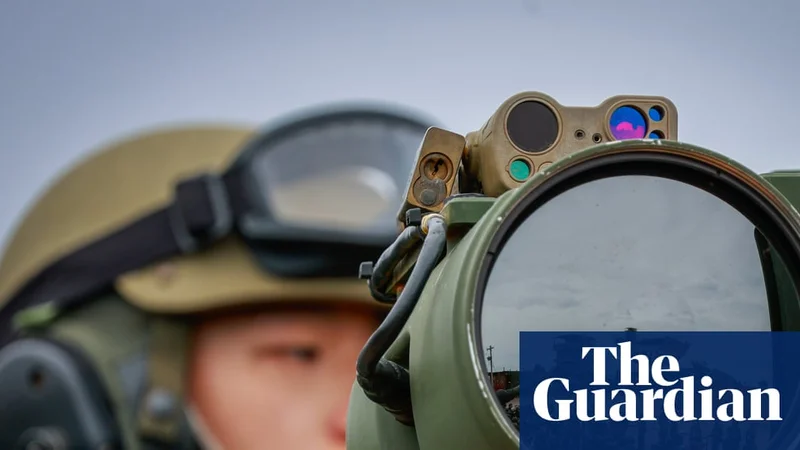
Image: Theguardian
Main Takeaway
President Donald Trump asked Xi Jinping whether China wanted to buy U.S. weapons while a $14 billion Taiwan package remained delayed, raising alarms among partners.
Jump to Key PointsSummary
The offer that triggered alarm
President Donald Trump asked Chinese President Xi Jinping whether China wanted to buy U.S. weapons during their recent meetings in Washington, according to U.S. Ambassador to China David Perdue. Perdue described the exchange in a Fox News interview, saying Trump had argued that the United States sells arms to countries around the world. The disclosure placed an extraordinary proposition alongside a pending $14 billion weapons package for Taiwan.
The White House treated the remark as a joke rather than an arms-sale plan. The State Department moved quickly to clarify the comment, while Chinese state media praised the courtesy shown to Xi during his visit. The episode nevertheless exposed the tension between Trump’s transactional diplomacy and the security commitments that shape U.S. policy in East Asia.
Taiwan deal becomes bargaining chip
The Taiwan package has become the immediate test of whether Washington will separate arms policy from negotiations with Beijing. Trump said the sale remained under consideration and described Taiwan’s weapons request as a possible negotiating chip, prompting concern in Taipei and Washington. Taiwan’s president pushed back after the remark, while U.S. officials sought to reassure partners that policy had not changed.
The package is delayed amid competing pressures, including shortages linked to the war with Iran and diplomatic objections from Beijing. Taiwan is governed by a democratically elected leadership, and U.S. law requires Washington to make defensive weapons available to the island. The delay therefore carries weight beyond the inventory question: it affects confidence in the durability of American support during a period of heightened Chinese military pressure.
Why Beijing sees a contradiction
China claims Taiwan as part of its territory and opposes U.S. arms sales to Taipei. Offering weapons to Beijing while defending sales to Taiwan reverses the normal strategic logic of American policy, even if Trump intended the proposal as humor or a negotiating tactic. Chinese officials have long treated Taiwan arms transfers as evidence of U.S. interference, while Washington frames them as defensive support.
That contradiction has drawn scrutiny from Asian security specialists and former officials. Selling advanced American weapons to China would conflict with restrictions designed to limit Beijing’s military capabilities and would undercut years of warnings about Chinese power. The White House’s denial of an actual plan narrowed the practical consequences, but the public exchange still gave Beijing material for diplomatic messaging and left regional partners assessing how seriously Washington treats the balance across the Taiwan Strait.
Partners hear a mixed signal
U.S. allies and partners now face mixed signals about the value of American security commitments. Taiwan is waiting for clarity on the delayed package, while Japan, South Korea and other governments are watching whether Washington uses defense cooperation as leverage in broader deals with Beijing. The concern is less about an imminent sale to China than about the willingness to postpone support for Taiwan when diplomacy or supply constraints intervene.
The episode also connects trade, arms and summit politics in a way that complicates deterrence. Perdue’s account presented Trump’s comment as consistent with the president’s argument that U.S. weapons sales are commercial transactions available worldwide. Policy critics countered that arms transfers to China and Taiwan cannot be treated as interchangeable because the two governments occupy opposing sides of a live security dispute.
What happens next
The next concrete measure is whether the United States approves, reshapes or continues delaying the $14 billion Taiwan package. Trade Representative Jamieson Greer said the administration was considering its approach and maintained that there had been no change in U.S. policy. That reassurance leaves the timing and conditions of the sale unresolved.
The administration also faces pressure to define what Trump meant by his exchange with Xi. A joke would carry diplomatic costs without creating a formal policy shift; a genuine proposal would raise export-control, alliance and strategic questions. For Taiwan, the outcome will show whether Washington treats defense support as a standing obligation or as an asset in negotiations. For Beijing, the incident offers both a public-relations opening and evidence that U.S. policy can be influenced through direct bargaining.
Key Points
Donald Trump asked Xi Jinping whether China wanted U.S. weapons during a summit while Taiwan’s $14 billion package remained delayed.
The White House framed Trump’s China arms offer as a joke rather than an active weapons-sale proposal.
Taiwan’s delayed weapons package has become a test of American security commitments and bargaining policy toward Beijing.
Foreign-policy critics warned that arming China would undermine U.S. efforts to constrain Chinese military power.
U.S. officials said Taiwan policy had not changed, leaving the package’s timing and conditions unresolved.
Questions Answered
Donald Trump asked Xi Jinping whether China wanted to buy U.S. weapons, according to Ambassador David Perdue. The White House treated the exchange as a joke and denied an active plan for such a sale.
The $14 billion Taiwan arms package is delayed amid diplomatic pressure from Beijing and weapons shortages linked to the war with Iran. Trump has also discussed whether the sale could factor into negotiations with China.
Taiwan’s president pushed back after Trump described the weapons package as a possible negotiating chip. Taiwan is seeking clarity because U.S. arms support is central to its defense planning.
The United States has no announced plan to sell weapons to China. The administration described Trump’s question to Xi as a joke, but the remark raised concerns about export controls and strategic policy.
The Trump administration must decide whether to approve, modify or continue delaying the $14 billion package. Officials say U.S. policy has not changed, but the timing and conditions remain unsettled.
Source Reliability
55% of sources are trusted · Avg reliability: 81
Go deeper with Organic Intel
Simple AI systems for your life, work, and business. Each one includes copyable prompts, guides, and downloadable resources.
Explore Systems