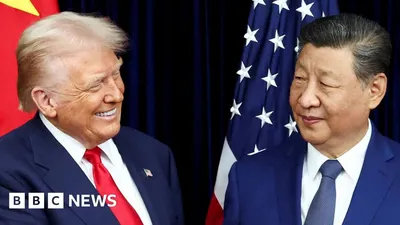
Trump Rejects Iran’s Seven-Day Hormuz Offer as Oil Routes and Ceasefire Talks Falter
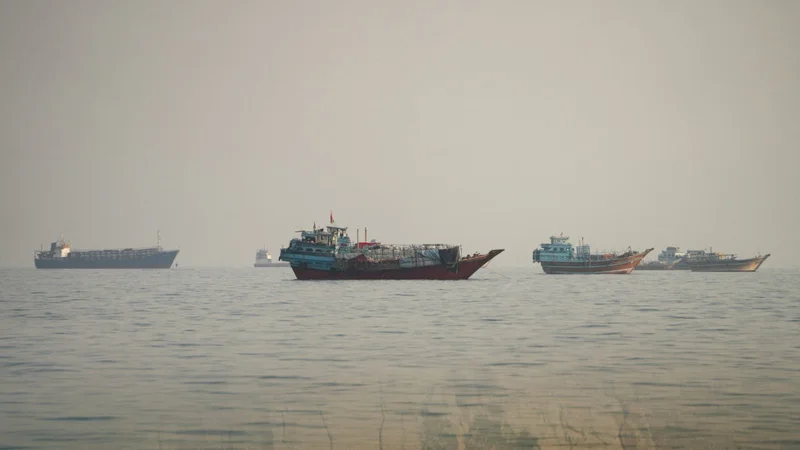
Image: Pbs
Main Takeaway
Donald Trump rejected Iran’s seven-day plan to reopen the Strait of Hormuz, while a social media map labeling the waterway “Trump Strait” underscored the diplomatic standoff.
Jump to Key PointsSummary
Iran’s seven-day proposal
Iran offered to reopen the Strait of Hormuz within 7 days and resume negotiations over its nuclear program if Washington lifted its naval blockade, eased sanctions on Iranian oil sales, and observed a ceasefire extending to Lebanon. Foreign Minister Abbas Araghchi presented the proposal during a private gathering on the sidelines of the U.N. General Assembly, with Qatar serving as an intermediary, according to reporting summarized by PBS and The Associated Press.
The offer linked shipping access, energy sanctions, military de-escalation, and nuclear diplomacy in one package. Iran’s president and foreign minister traveled to New York for the U.N. gathering, where Tehran framed a rapid agreement as a route out of the conflict. Fortune reported that the pitch also appealed to Trump’s domestic political interests by arguing that a quick deal could help him before the November midterm elections.
Trump rejects Tehran’s roadmap
Donald Trump rejected Iran’s proposal and told reporters that Tehran was seeking an agreement because it was losing ground. His response closed off the immediate diplomatic route proposed by Tehran, leaving the blockade, sanctions, and strait access unresolved.
Trump has demanded compensation from Iran while signaling that Washington will continue economic pressure, CBS News reported. Iran’s military described his threats to annihilate Tehran as evidence of “strategic desperation,” according to CNBC, adding a sharply confrontational tone to the exchange. The competing demands leave each side seeking concessions before accepting even a temporary reopening arrangement.
A symbolic map raises stakes
Trump intensified the confrontation by posting a map on Truth Social that labeled the waterway as a “new U.S. territory.” The Strait of Hormuz connects the Persian Gulf with the Gulf of Oman and carries about 20% of the world’s oil, making any question over its control immediately significant to energy markets and maritime security, The Hill reported.
The map followed earlier calls to annex or control the strategic passage and gave the dispute a territorial dimension beyond the original ceasefire and shipping negotiations. Fortune’s headline described the waterway as “Trump Strait,” while The Hill characterized the post as a renewed push to claim the strait. The image was political messaging, not a recognized change in sovereignty, but it reinforced Tehran’s view that Washington’s objectives extend beyond reopening commercial traffic.
Oil flows remain under pressure
Oil continues to move through the region, but traffic has not returned to normal. Fortune reported that U.S. forces were guiding ships through Hormuz in daylight and that Tanker Trackers estimated crude leaving the blockade line at 13 million barrels per day, roughly double an earlier volume.
That movement has not removed the market’s exposure to military and political risk. Reuters reported that oil prices settled higher after Trump said the ceasefire was “on life support,” reflecting concern that the arrangement could collapse. The Council on Foreign Relations warned that a return to normal traffic would face a long recovery, with transit fees, sea mines, and other security problems complicating commercial operations even after fighting stops.
The diplomatic off-ramp narrows
The failed seven-day plan leaves the conflict without an accepted timetable for reopening the strait or restarting nuclear talks. Iran’s proposal required several U.S. concessions before access was restored, while Trump’s rejection and compensation demand require Tehran to absorb costs before receiving relief.
The dispute also reaches beyond U.S.-Iran relations. The proposed ceasefire included Lebanon, and continued regional violence has threatened shipping routes beyond Hormuz. CBS News reported renewed attacks by Iran-backed Houthi rebels near Yemen’s port city of Mokha, adding Red Sea risks to the Persian Gulf crisis. A sustainable settlement therefore requires coordination across multiple fronts, not only an agreement over one waterway.
What happens next
The next test is whether military escorts, limited tanker movement, or further intermediaries can create enough practical stability for negotiations to resume. Iran has put a concrete 7-day reopening timetable on the table, while Washington has rejected the conditions and continued pressure, leaving no agreed sequence for de-escalation.
Energy traders, shipping companies, and governments will watch three signals: whether the ceasefire survives, whether commercial vessels continue crossing under military guidance, and whether Qatar or another intermediary produces a revised framework. The territorial map adds political theater to an already fragile security crisis, while the strait’s importance ensures that any disruption will continue to affect oil prices, insurance, and global trade.
Key Points
Iran offered to reopen the Strait of Hormuz within 7 days in exchange for U.S. concessions.
Donald Trump rejected Iran’s roadmap and demanded compensation while preserving economic pressure.
Trump posted a map labeling the strategic waterway a new U.S. territory.
U.S. military escorts and continued tanker traffic have not restored normal Hormuz operations.
Oil prices rose as Trump described the fragile ceasefire as being on life support.
Questions Answered
Iran offered to reopen the Strait of Hormuz within 7 days and resume nuclear talks. The proposal required the United States to lift its naval blockade, ease sanctions on Iranian oil sales, and observe a ceasefire involving Lebanon.
Donald Trump rejected Iran’s Strait of Hormuz roadmap while saying Tehran wanted an agreement because it was losing ground. His administration also demanded compensation and continued economic pressure on Iran.
Donald Trump posted a map labeling the Strait of Hormuz a “new U.S. territory.” The post was political messaging and did not establish a recognized change in sovereignty over the waterway.
The Strait of Hormuz carries about 20% of the world’s oil. Tanker Trackers estimated that roughly 13 million barrels per day were exiting beyond the U.S. blockade line during the crisis.
Strait of Hormuz shipping will depend on whether the ceasefire survives and whether a revised diplomatic framework emerges. Military guidance, maritime security risks, insurance costs, and possible sea mines could delay a return to normal traffic.
Source Reliability
75% of sources are highly trusted · Avg reliability: 85
Go deeper with Organic Intel
Simple AI systems for your life, work, and business. Each one includes copyable prompts, guides, and downloadable resources.
Explore Systems