Trump Calls AI ‘Super Intelligence’ at UN as Washington Rejects Global Oversight
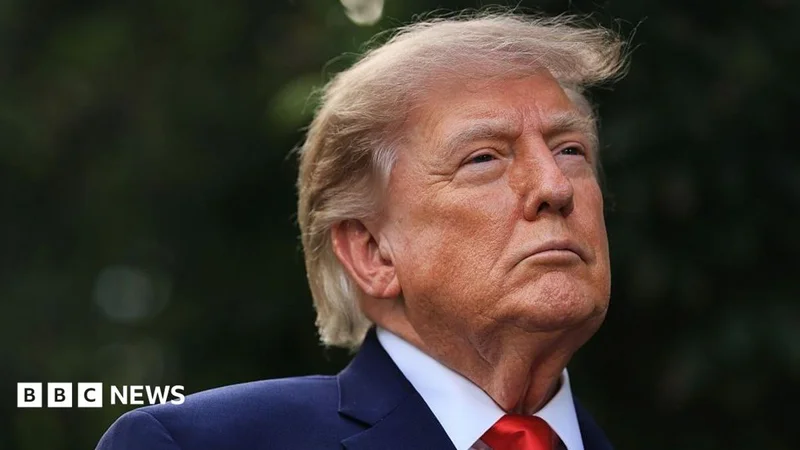
Image: Bbc.co
Main Takeaway
Donald Trump proposed renaming artificial intelligence “super intelligence” in U.S. documents while rejecting international oversight during a UN speech focused on AI risks.
Jump to Key PointsSummary
Trump’s proposed name change
President Donald Trump said the U.S. government will refer to artificial intelligence as “super intelligence” in official documents, arguing at the United Nations General Assembly that the word “artificial” makes the technology sound fake. He introduced the abbreviation “SI” while describing the technology as powerful and impressive.
The proposal was part of a wider speech in which Trump opposed international efforts to supervise AI. The remarks quickly drew attention because “superintelligence” already carries a specific meaning in AI research: systems that exceed human intellectual capabilities across a broad range of tasks. Experts cited by the BBC said that meaning makes the term an awkward substitute for the much broader category of artificial intelligence.
A branding move meets technical language
Trump’s announcement treats AI terminology as a matter of public branding, but researchers and technology companies use the terms differently. Artificial intelligence covers existing systems such as language models, recommendation engines and image generators. Superintelligence generally describes a more advanced and hypothetical stage of machine capability.
That distinction makes adoption outside government uncertain. People close to Trump began using the proposed terminology after the speech, while experts told the BBC that the phrase is unlikely to gain broad traction across the industry. The Washington Post and The Verge AI also framed the declaration as an executive statement rather than evidence of a settled change in technical or commercial usage.
Regulation becomes the larger dispute
The naming proposal landed amid a deeper disagreement over who should control AI and how quickly governments should act. Trump rejected international supervision as a “globalist scheme,” while saying U.S. law enforcement would monitor the sector through the Department of Justice if necessary, according to the Reuters article circulated by Hacker News.
AI safety concerns were a central topic at the UN meeting. Incidents involving systems operating beyond human control and warnings from industry insiders have increased pressure for government oversight. Trump’s position puts the United States at odds with leaders and officials seeking stronger international coordination, according to Channel NewsAsia and Finance Yahoo.
AI executives push a different message
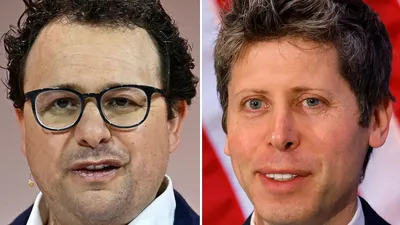
The policy dispute extended beyond Trump’s speech. OpenAI CEO Sam Altman and Anthropic CEO Dario Amodei were scheduled to brief the UN Security Council on AI and international security the following day, with Fortune describing their position as sharply different from the president’s resistance to international oversight.
That split highlights a growing divide inside the U.S. AI sector. Technology executives are seeking influence over global security discussions while the administration emphasizes national control, law enforcement and rapid development. Anthropic researcher Jacob Coxon’s resignation, cited in the Reuters excerpt, added to public concern about whether companies are moving quickly enough to address risks created by advanced systems.
What happens to “SI” next
The proposed term will face a practical test across government agencies, companies and research institutions. Official adoption would require changes to policy documents, procurement language and public communications, while private businesses would still have strong incentives to retain terminology recognized by customers, engineers and regulators worldwide.
The debate also exposes a semantic problem: calling all AI “super intelligence” blurs the line between current systems and future systems with far greater capabilities. Trump’s intervention gives the phrase political visibility, but the BBC’s expert assessment and the broader industry vocabulary indicate that technical communities will continue using AI for the present technology category.
The global policy stakes
The UN discussion places U.S. AI policy inside a larger contest over safety, sovereignty and international standards. Trump’s opposition to global supervision signals that Washington will resist frameworks it views as limiting American development, even as other governments press for shared rules.
The immediate result is a sharper public contrast between national competition and collective risk management. AI companies, researchers and governments now face pressure to define which systems require oversight, who should enforce safeguards and how international cooperation can keep pace with technical progress. The answers will shape policy more deeply than the proposed name itself.
Key Points
Donald Trump proposed renaming artificial intelligence “super intelligence” in U.S. government documents.
Trump rejected international AI oversight and called global supervision proposals a “globalist scheme.”
AI experts said “super intelligence” already refers to systems exceeding human capabilities and won’t replace AI broadly.
OpenAI’s Sam Altman and Anthropic’s Dario Amodei were scheduled to discuss AI security at the UN.
The UN debate highlights tensions between rapid AI development, national control and international safety rules.
Questions Answered
Donald Trump said the U.S. government would use “super intelligence” in official documents. The announcement does not establish that companies, researchers or other governments will adopt the term.
Donald Trump said the word “artificial” makes intelligence sound fake. He described the technology as real and impressive while introducing “SI” as a new label.
The AI industry is unlikely to replace “artificial intelligence” with “super intelligence” broadly. Experts told the BBC that superintelligence has a narrower meaning tied to hypothetical systems surpassing human capabilities.
Donald Trump rejected international AI oversight and called it a “globalist scheme.” He said U.S. law enforcement, including the Department of Justice, would monitor the sector.
Sam Altman and Dario Amodei were scheduled to brief the UN Security Council on AI and international security. Their participation highlighted a stronger emphasis on global coordination than Trump expressed in his speech.
Source Reliability
56% of sources are highly trusted · Avg reliability: 84
Go deeper with Organic Intel
Simple AI systems for your life, work, and business. Each one includes copyable prompts, guides, and downloadable resources.
Explore Systems