Trump and Xi to Hold First Beijing Summit With Boeing Deal and Tech CEOs in Spotlight
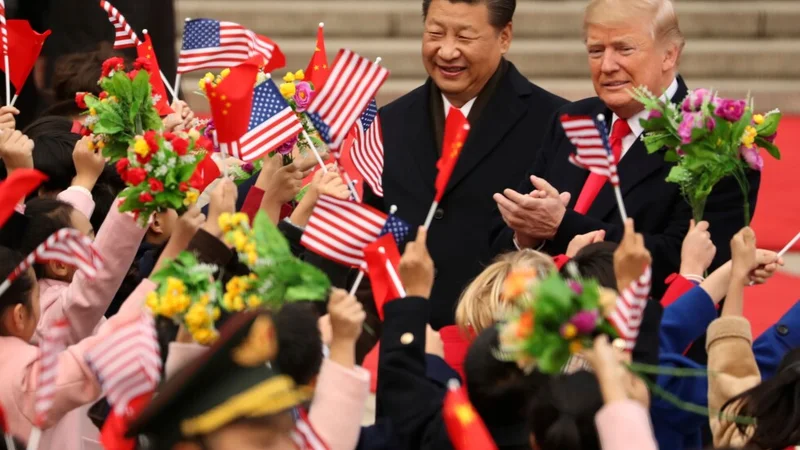
Image: Apnews
Main Takeaway
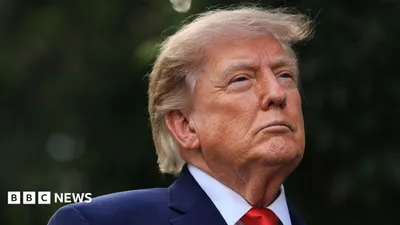
Trump meets Xi in Beijing May 14-15 with Jensen Huang, Tim Cook, and Elon Musk joining the delegation, signaling AI and semiconductor talks. A potential Boeing order of 500 jets looms as a major economic prize. Tariffs, rare earths, and Iran remain on the agenda.
Jump to Key PointsSummary
Why four meetings signal a new diplomatic rhythm
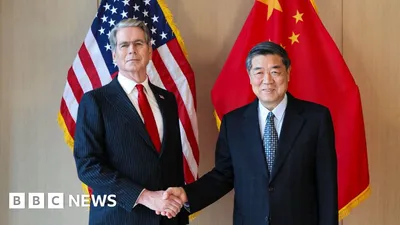
The Trump-Xi relationship is shifting from sporadic crisis management to scheduled maintenance. Treasury Secretary Scott Bessent first floated the possibility of four meetings over eight months back in November 2025, and the May 14-15 Beijing summit makes good on that framework. This pacing is deliberate. It gives both leaders predictable touchpoints without requiring either to commit to major concessions at any single sitting.
The frequency also reflects a mutual recognition that bilateral friction, left unattended, spirals faster than either economy can afford. For Trump, it creates recurring opportunities to claim progress. For Xi, it locks the U.S. into a rhythm where unilateral surprises, like tariff shocks, become harder to justify. The Council on Foreign Relations notes this pattern mirrors how China prefers to manage great-power relationships: through institutionalized engagement that constrains American impulsiveness.
Whether this rhythm survives beyond 2026 depends heavily on the U.S. midterm elections. Fortune reports that Chinese officials are already calibrating their offers around that timeline, suggesting Beijing sees these meetings as phases in a longer negotiation rather than standalone events.
What sits on the May summit agenda
The official talking points span tariffs, artificial intelligence, rare earth export controls, Taiwan, and China's role in the Iran war. That is a deliberately sprawling menu. Reuters reports that Trump has called the trip important and claimed the U.S. leads in AI, a framing that positions technology competition as a core subtext rather than a side issue.
Tariffs remain unresolved despite months of back-channel talks. Yahoo Finance notes that both sides have downplayed expectations for breakthroughs, with incremental progress now the realistic goal. On AI, the discussion appeared focused on export controls and chip restrictions until the delegation list leaked. Ars Technica reports that Tim Cook and Elon Musk will join Nvidia CEO Jensen Huang, transforming what looked like a single-company tech presence into a broader Silicon Valley contingent. That lineup suggests Trump wants to negotiate AI policy with his industry's biggest names literally in the room, or perhaps wants Chinese officials to see the personal economic stakes if talks sour.
Boeing's 500-jet question
The most concrete economic prize on the table may be one the existing article missed entirely. Fortune reports that Beijing hasn't ordered planes from Boeing since 2017, a freeze that has cost the company dearly in the world's fastest-growing aviation market. Trump may be positioned to reverse that. A 500-jet order would represent one of the largest commercial aviation deals in history and would give Trump a tangible economic victory to brandish.
The timing is not subtle. Chinese aviation regulators have kept Boeing's 737 MAX grounded longer than most other countries, and the company has watched Airbus expand its China footprint unchecked. For Beijing, a Boeing order is leverage, cheap and available. For Trump, it is the kind of headline number he craves. Whether it materializes depends on whether China wants to hand him that win now or hold it for a later meeting in the four-summit sequence.
Reading the delegation tea leaves
The business contingent matters beyond the headline names. Jensen Huang's presence thrusts Nvidia directly into summit diplomacy, a position the company has tried to avoid given its dependence on both U.S. export licenses and Chinese AI demand. Tim Cook brings Apple's massive China supply chain, still the company's manufacturing backbone despite years of diversification talk. Elon Musk adds unpredictability, his Tesla Shanghai plant a success story that has also made him vulnerable to Chinese regulatory pressure.
Together they form a kind of economic hostage situation, each with billions in China exposure that Beijing can squeeze or reward. Trump's willingness to bring them suggests either confidence that their presence strengthens his hand, or a calculation that shared risk creates shared interest in stable outcomes.
What success looks like for this summit
The bar is intentionally low. Officials on both sides have telegraphed that no major agreements will be signed. The real test is whether the four-meeting framework feels operational after two days in Beijing. Does Trump leave with the Boeing deal teed up for announcement at summit two? Do the tech CEOs extract any clarity on chip rules, or merely provide photo ops? Does China's Iran positioning shift at all?
Fortune's reporting on Chinese officials calibrating offers to the U.S. political calendar suggests Beijing is playing a longer game than the headline-driven Trump team. If so, the May summit is less about May and more about establishing whether the other three meetings are worth the diplomatic effort. That makes this trip a threshold event rather than a destination.
Key Points
Trump and Xi meet May 14-15 in Beijing, the first of four planned summits through 2026
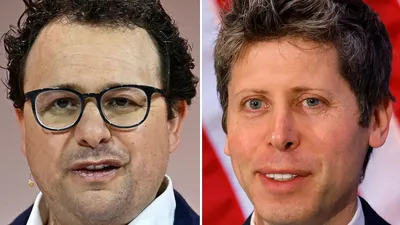
Tech CEOs Jensen Huang, Tim Cook, and Elon Musk join the delegation, signaling AI and semiconductor talks
A potential Boeing order of 500 jets looms as a major economic prize; China hasn't ordered Boeing since 2017
Tariffs, rare earth export controls, Taiwan, and China's role in the Iran war remain on the official agenda
Both sides have downplayed expectations for major breakthroughs, with incremental progress as the realistic goal
Questions Answered
Nvidia CEO Jensen Huang, Apple CEO Tim Cook, and Tesla/SpaceX CEO Elon Musk are joining, along with Treasury Secretary Scott Bessent and other officials.
Nothing is confirmed. Fortune reports a potential order of 500 jets is being discussed, but it may be held for a later summit as leverage.
The framework creates predictable touchpoints for managing tensions without requiring major concessions at any single sitting, and lets China calibrate offers to the U.S. political calendar.
It signals AI and semiconductor policy will be central, while also putting faces to U.S. commercial interests that have significant China exposure.
Source Reliability
56% of sources are highly trusted · Avg reliability: 77
Go deeper with Organic Intel
Simple AI systems for your life, work, and business. Each one includes copyable prompts, guides, and downloadable resources.
Explore Systems