Cruise Ship Hantavirus Outbreak Kills 3 as Global Evacuations Begin
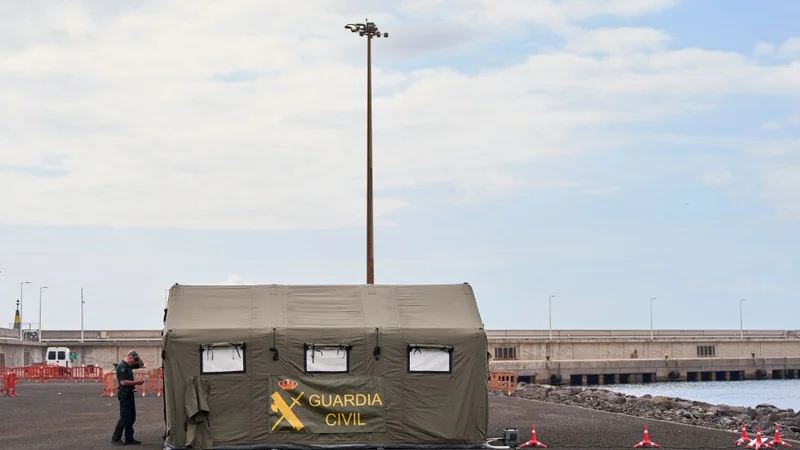
Image: Apnews
Main Takeaway
Rare Andes strain kills 3 on MV Hondius; 147 passengers evacuated to home countries as WHO and CDC stress low public risk despite respiratory illness fears.
Jump to Key PointsSummary
How the outbreak unfolded
The crisis began when the expedition cruise ship MV Hondius reported a cluster of severe respiratory illness on May 2. By May 4, eight cases including three deaths were confirmed, all linked to hantavirus exposure. The Dutch-flagged vessel carrying 147 passengers and crew was diverted to Spain's Canary Islands, where evacuations began Sunday. American passengers are being flown to Nebraska's National Quarantine Unit for monitoring, while other nationalities are returning to France, Germany, and the Netherlands.
What makes this strain different
This outbreak involves the Andes strain, which can spread person-to-person through respiratory droplets - a rare trait among hantaviruses. Most strains require direct contact with infected rodents or their droppings. The virus causes hantavirus pulmonary syndrome, with symptoms starting as flu-like fever and body aches before progressing to severe breathing difficulty. Harvard Health notes mortality rates can reach 38%, making early detection critical.
Global response and evacuation logistics
Spanish health authorities are conducting rapid testing before allowing passengers to disembark. One French passenger developed symptoms mid-flight, highlighting the challenge of containing potential spread during evacuations. The WHO has activated international health regulations, coordinating with multiple countries to trace exposed individuals. All passengers will undergo 21-day monitoring in their home countries, with immediate medical care available if symptoms develop.
CDC's controversial low-profile response
Public health experts criticized the CDC's muted response, noting the agency hasn't held press briefings or issued urgent health alerts. The CDC maintains it's "actively monitoring" through the State Department and insists the American public faces "extremely low risk." Critics argue this approach mirrors early COVID missteps, though the acting CDC director emphasized "this is not COVID... we shouldn't be panicking."
Practical prevention steps everyone should take
The CDC advises avoiding rodent-infested areas and wearing gloves/masks when cleaning. Never sweep or vacuum droppings - instead spray with disinfectant and wipe carefully. Common exposure sites include attics, sheds, garages, and campsites. There's no vaccine, so prevention focuses on rodent control and safe cleanup. Symptoms appear 1-8 weeks after exposure, making medical attention crucial for recent travelers.
Why pandemic fears are overblown
Experts across WHO, CDC, and academic institutions stress person-to-person spread requires prolonged close contact. Unlike COVID, hantavirus doesn't spread efficiently through casual interaction. The outbreak remains contained to a single ship with no community transmission reported. However, the unusual cruise ship setting created ideal conditions for limited spread among passengers sharing confined spaces.
What happens next for exposed travelers
All evacuated passengers face three weeks of health monitoring, with daily temperature checks and immediate testing for any respiratory symptoms. Those who test positive will receive supportive care, as there's no specific antiviral treatment. Long-term, health authorities will study whether the Andes strain has evolved for easier transmission. The cruise industry is reviewing rodent control protocols for expedition vessels visiting remote areas.
Key Points
Andes strain hantavirus killed 3 passengers on MV Hondius cruise ship with 8 total cases confirmed
147 passengers evacuated globally with Americans quarantined in Nebraska, others to France/Germany/Netherlands
WHO and CDC stress extremely low public risk despite person-to-person transmission capability of this strain
Prevention requires avoiding rodent contact and careful cleanup using gloves/disinfectant, never sweeping droppings
No vaccine exists; treatment is supportive care with 38% mortality rate for hantavirus pulmonary syndrome
Questions Answered
No. While the Andes strain can spread person-to-person, it requires prolonged close contact and doesn't transmit efficiently through casual interaction like COVID-19. The outbreak remains confined to the cruise ship.
Only passengers aboard the MV Hondius are at risk. If you weren't on this specific expedition cruise to the Canary Islands, you face no exposure. Monitor for flu-like symptoms 1-8 weeks after any rodent contact.
Wear gloves and a mask. Spray droppings with disinfectant and let sit 5 minutes before wiping - never sweep or vacuum which can aerosolize the virus. Wash hands thoroughly afterward.
No vaccine exists. Treatment involves supportive hospital care for breathing difficulties. Early medical attention within 1-8 weeks of exposure significantly improves outcomes.
Experts note the CDC hasn't held press briefings or issued urgent health alerts, raising concerns about transparency. However, the agency maintains the public faces extremely low risk and is coordinating through diplomatic channels.
Source Reliability
56% of sources are highly trusted · Avg reliability: 79
Go deeper with Organic Intel
Simple AI systems for your life, work, and business. Each one includes copyable prompts, guides, and downloadable resources.
Explore Systems