Trump Rejects Iran's Ceasefire Counter-Proposal as 'Totally Unacceptable', Markets Tank
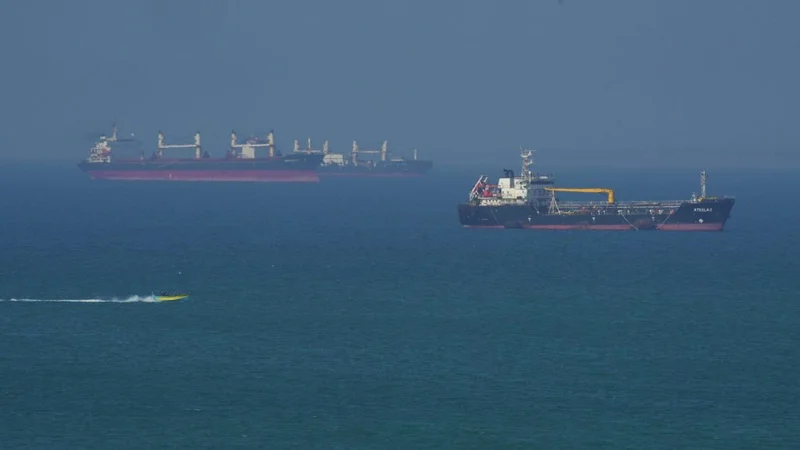
Image: Fortune AI
Main Takeaway
Trump slams Iran's demand for war end on all fronts as Gulf attacks resume and oil futures slide, hinting military option is back on the table.
Jump to Key PointsSummary
Iran's counter-proposal centers on permanent war termination
Iran has formally rejected the latest US ceasefire proposal, instead submitting its own demands through Pakistani mediators that focus on permanently ending hostilities across all conflict zones. According to Iranian state TV, Tehran wants negotiations to address not just the immediate ceasefire but comprehensive war termination including Lebanon operations and maritime security guarantees. The response comes as the Trump administration insists diplomacy remains viable while giving it "every chance we possibly can before going back to hostilities," according to US Ambassador Mike Waltz speaking to ABC.
Trump: Iran's response 'totally unacceptable'
President Trump wasted no time dismissing Iran's proposal. Speaking to reporters on Sunday, he called the Iranian response "totally unacceptable" and warned Tehran "will be laughing no longer." The blunt rejection strips away any remaining diplomatic ambiguity and signals the White House sees no path forward under Tehran's terms. Trump’s comments came minutes after markets opened in Asia, triggering an immediate sell-off in oil futures and defense stocks as traders priced in renewed risk of US strikes.
Weekend attacks strain month-old ceasefire
The fragile month-old ceasefire faced renewed pressure Sunday as multiple drone incidents occurred across the Gulf. A drone strike set fire to a cargo ship off Qatar's coast, while the UAE and Kuwait reported repelling drone incursions into their airspace. The UAE explicitly blamed Iran for these attacks, though no casualties were reported and no group claimed responsibility. These incidents mark the latest escalation testing the Trump administration's assertion that the ceasefire remains intact despite ongoing tensions.
Markets tank on breakdown
Oil futures dropped 4% in overnight trading as investors digested the diplomatic collapse. Brent crude slid to $82 a barrel, its lowest level since early March, while defense contractors Raytheon and Lockheed Martin each gained more than 3% on expectations of renewed US military activity. Currency traders dumped the Iranian rial, pushing it to a historic low of 690,000 to the dollar on the black market. The market reaction underlines how quickly financial pressure can mount when the Strait of Hormuz appears at risk again.
What this means for regional stability
The simultaneous diplomatic maneuvering and military provocations create a contradictory picture where negotiations continue even as hostilities persist. Iran's insistence on addressing Lebanon alongside maritime security suggests Tehran wants broader regional concessions beyond just the Hormuz Strait reopening that Washington's proposal addressed. The weekend attacks serve as both leverage in negotiations and reminders of Iran's capacity to disrupt Gulf shipping, a key pressure point given global energy markets' sensitivity to Strait of Hormuz disruptions. With Trump now openly floating military options, the window for diplomacy appears to be closing fast.
Key Points
Trump called Iran’s ceasefire counter-proposal “totally unacceptable” and hinted at imminent military action.
Oil futures dropped 4% and Brent crude fell to $82/barrel on renewed Hormuz risk.
Weekend drone attacks hit a Qatari cargo ship and were repelled by UAE and Kuwait; UAE blames Iran.
Markets now price in higher probability of US strikes to reopen the Strait of Hormuz.
Questions Answered
He labeled it “totally unacceptable” and warned Tehran “will be laughing no longer,” signaling the US is moving toward military options.
Oil futures fell 4%, Brent crude dropped to $82, defense stocks rose, and the Iranian rial hit a record low of 690,000 per dollar.
Yes, but it’s hanging by a thread; weekend drone attacks and Trump’s rejection both strain the month-old truce.
Source Reliability
55% of sources are highly trusted · Avg reliability: 78
Go deeper with Organic Intel
Simple AI systems for your life, work, and business. Each one includes copyable prompts, guides, and downloadable resources.
Explore Systems