Tiger Woods Seeks Rehab After DUI Arrest With Pills Found in Pocket
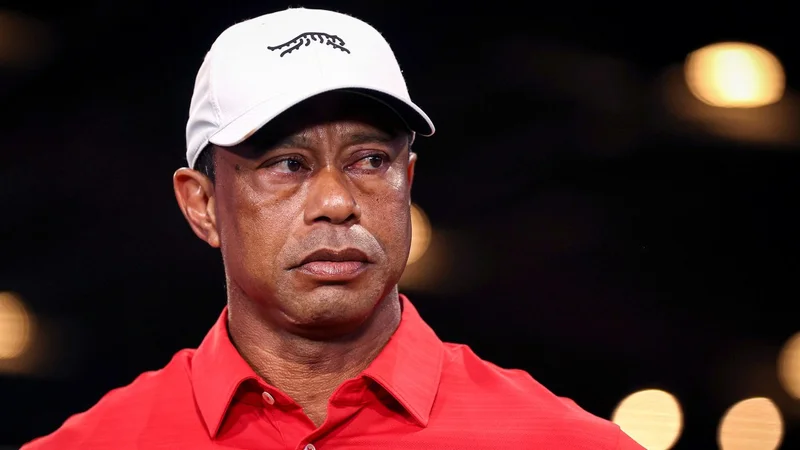
Image: Nbcnews
Main Takeaway
Golf legend Tiger Woods will enter treatment after Florida DUI crash where deputies found hydrocodone pills; he pleads not guilty and skips next Masters.
Jump to Key PointsSummary
What happened during the arrest
Tiger Woods was arrested Friday on Jupiter Island, Florida, after his car rolled over in a two-vehicle crash, according to the Martin County Sheriff's Office. Deputies reported that Woods appeared "sweating profusely," had "bloodshot and glassy eyes," and moved in a "slow and lethargic" manner. A probable-cause affidavit states they found two white hydrocodone pills in his pocket; Woods told officers he had taken prescription medication earlier that day. He was booked on suspicion of driving under the influence and released on bond the same night.
Immediate legal response and plea
On the Tuesday following the incident, Woods waived formal arraignment and entered a written plea of not guilty through his attorney. Court records show he also requested a jury trial. Because the arraignment was waived, Woods will not have to appear in person for that procedural step; the case now moves toward pre-trial motions. The plea sets up a potential courtroom battle over whether the presence of prescribed opioids alone proves impairment under Florida law.
Treatment plans and privacy ruling
Hours after the plea was filed, Woods announced via social media that he is "stepping away to seek treatment" and will miss the Masters Tournament for the second consecutive year. A Florida judge granted his request to complete that treatment outside the United States, citing "privacy concerns" given the intense media scrutiny surrounding the 15-time major champion. While the location was not disclosed, previous celebrity rehab trips suggest a likely destination in Europe or the Caribbean.
The substance involved and its risks
The pills recovered were identified as hydrocodone, a prescription opioid commonly used to manage severe or chronic pain. Medical experts note the drug can cause dizziness, drowsiness, and slowed reaction times, effects that would be magnified when combined with even small amounts of alcohol or other medications. Woods has a documented history of back and leg injuries requiring surgery, making long-term pain management a recurring challenge throughout his career. Addiction specialists stress that legitimate prescriptions can still lead to dependency, especially for athletes facing constant physical stress.
Impact on Woods' career and schedule
Missing Augusta National means the 50-year-old will sit out the first major of 2026 and forfeit any chance at a sixth green jacket. Sponsorship analysts say Nike and other partners are unlikely to immediately drop him, the brand stood by him during earlier scandals, but future endorsement value depends on public perception of his recovery. His TGL indoor-golf league matches and any planned PGA Tour starts are now on hold indefinitely. Woods has not won a tournament since the 2019 Masters and has played only a handful of events in the past three seasons while managing recurring injuries.
Broader context of athlete opioid use
Woods’ arrest adds fuel to ongoing conversations about pain management in professional sports. The PGA Tour, NFL, and NBA all tightened prescription-drug monitoring after high-profile cases involving athletes and veterans. Medical teams now face stricter limits on opioid quantities and closer tracking of prescriptions, yet critics argue the policies sometimes push players toward unregulated sources. For Woods, the episode revives memories of his 2017 DUI arrest, when he blamed a mix of prescription drugs for his disoriented state.
What happens next
The criminal case calendar shows a status hearing in early May, though Woods’ location abroad should not delay proceedings if his attorneys appear on his behalf. Prosecutors must decide whether to negotiate a plea that could reduce charges to reckless driving or proceed to trial. Meanwhile, rehab duration is open-ended; his camp says he will return "only when medically cleared." The next tournament with any certainty on his schedule is the 2026 Open Championship in July, giving him roughly 12 weeks to complete treatment and regain competitive fitness.
Key Points
Woods was arrested after a rollover crash in Florida with hydrocodone pills in his pocket and showed classic signs of opioid impairment.
He pleaded not guilty and was granted permission to seek treatment overseas for privacy reasons.
The incident forces him to miss the 2026 Masters, extending his absence from major championships.
Hydrocodone is a potent opioid linked to addiction, especially among athletes managing chronic pain.
Sponsors have not yet dropped him, but long-term endorsement value hinges on public recovery narrative.
Questions Answered
Deputies recovered two hydrocodone pills, a prescription opioid used for severe pain relief.
The exact location has not been disclosed; a judge approved an overseas facility to protect his privacy.
Nike and other partners have stayed silent so far, and industry analysts expect them to remain supportive during treatment.
A first-time DUI in Florida carries up to six months in jail, but plea deals often reduce penalties, especially when treatment is pursued.
No timeline has been set; the earliest possible event is the 2026 Open Championship in July.
Both incidents involved prescription drugs rather than alcohol, highlighting ongoing struggles with pain management.
Source Reliability
62% of sources are trusted · Avg reliability: 75
Go deeper with Organic Intel
Simple AI systems for your life, work, and business. Each one includes copyable prompts, guides, and downloadable resources.
Explore Systems