Telecom Italia CEO: €10.8B Poste Deal Proves Scale Is Survival

Image: Bloomberg AI
Main Takeaway
Telecom Italia's CEO says Poste Italiane's €10.8B takeover bid validates his scale-or-die thesis for European telecom survival.
Jump to Key PointsSummary
Why does Telecom Italia's CEO say telecom firms need scale to survive?
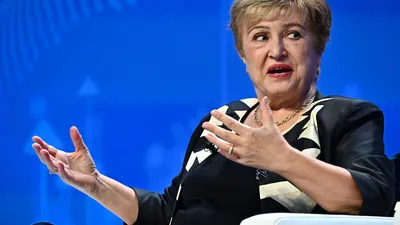
Telecom Italia CEO Pietro Labriola argues that scale isn't optional anymore, it's existential. The digital business runs on scale, he told Bloomberg, as Poste Italiane's €10.8 billion ($12.5 billion) bid for full control of Telecom Italia moves toward completion. This isn't just about one company getting bigger. Labriola sees this as validation of a broader industry thesis: European telecom firms that can't reach massive scale will simply fade away.
The math is brutal. Telecom Italia carries a debt mountain that makes investors nervous. Labriola has been shopping deals to cut this burden, and Poste's offer gives him the ammunition he needs. But more importantly, it gives Telecom Italia the heft to compete with global tech giants who've been eating telecom's lunch for years.
Labriola's been under fire from investors and board members questioning his strategy. He survived a recent board showdown, and now his consolidation play looks prescient rather than desperate. The Poste deal doesn't just solve short-term debt problems, it positions Telecom Italia as a survivor in a market where size determines everything.
What does this €10.8B deal actually accomplish?
Poste Italiane's offer does three things simultaneously. First, it injects €10.8 billion into Telecom Italia's balance sheet, immediately addressing debt concerns that have haunted the company. Second, it creates a vertically integrated communications-to-payments powerhouse that spans Italy's digital infrastructure. Third, it gives Telecom Italia the scale to negotiate better terms with equipment suppliers and content providers.
The deal structure values Telecom Italia at a premium to recent trading, which signals Poste's confidence in the combined entity's prospects. Poste isn't just buying a telecom company, they're buying a distribution network for their financial services, insurance products, and logistics operations. Telecom Italia gets a stable, cash-rich parent that can fund network upgrades without the quarterly earnings panic that plagues pure-play telecoms.
This isn't charity. Poste sees Telecom Italia's fiber network as the rails for Italy's digital economy. Every Poste Italiane service, from banking to package delivery, runs better on reliable, high-speed connectivity. By owning the pipes, Poste can guarantee quality while cutting third-party costs.
How does this reshape Europe's telecom landscape?
Europe's telecom sector has been stuck in a doom loop: fragmented markets, brutal price competition, and massive capital requirements that individual countries can't sustain. Telecom Italia's deal with Poste breaks this pattern by creating a new type of telecom company, one backed by non-traditional revenue streams.
Other European telecom executives are watching closely. Vodafone, Deutsche Telekom, and Orange have all explored similar consolidation plays but lacked the catalyst. Telecom Italia's success gives them a template: find a non-telecom partner with deep pockets and complementary services.
The implications ripple beyond Italy. If Poste-TIM works, expect similar mashups across Europe. Postal services, banks, even energy companies could become telecom acquirers. The key insight: telecom infrastructure is too important to leave to companies that only sell connectivity.
This also pressures regulators who've traditionally blocked telecom mergers over competition concerns. Poste Italiane isn't a telecom competitor, they're a customer. This creates a new regulatory framework where vertical integration gets approved because it serves broader economic goals.
What happens to Telecom Italia's debt and financial outlook?
Telecom Italia's debt load has been the sword hanging over every strategic decision. Labriola's been juggling asset sales, network spinoffs, and cost cuts just to keep creditors satisfied. The Poste deal changes this equation entirely.
With €10.8 billion in fresh capital, Telecom Italia can refinance expensive debt at better rates. More importantly, Poste's balance sheet, backed by Italy's postal monopoly and financial services, provides a credit rating upgrade path. Telecom Italia goes from junk-bond territory to investment-grade overnight.
The financial improvements aren't just theoretical. Labriola told Reuters he sees scope for improving both 2023 and 2024 financial results once the deal closes. This isn't wishful thinking, it's based on eliminating duplicate costs, cross-selling services, and leveraging Poste's government relationships for favorable regulatory treatment.
Investors who've been shorting Telecom Italia debt are now scrambling to cover positions. Bond yields have compressed as the market prices in a new reality where Telecom Italia isn't fighting for survival, it's fighting for market share.
What does this mean for Telecom Italia's AI and cloud ambitions?
Labriola hasn't just been thinking about debt, he's been positioning Telecom Italia for the next wave of infrastructure demand. In recent interviews, he's called for a complete rethink of the telco-cloud-AI ecosystem, arguing that traditional telecom companies can't compete with hyperscalers without fundamental changes.
The Poste deal gives him the scale to actually execute this vision. Telecom Italia's data centers, fiber networks, and edge computing assets suddenly become valuable when combined with Poste's customer base and financial services data. Rather than just selling connectivity, they can sell AI inference services, financial fraud detection, and real-time logistics optimization.
This positions Telecom Italia as an edge AI provider rather than a dumb pipe. Instead of watching Amazon, Google, and Microsoft eat their lunch, they become essential infrastructure for Italy's AI economy. Every Poste branch becomes an edge computing node. Every fiber connection becomes a high-bandwidth AI service delivery channel.
The ESG reporting requirements that Marketscreener highlighted suddenly matter less when you're building sustainable AI infrastructure for an entire economy. This isn't greenwashing, it's fundamental business model transformation.
What's next for Labriola and Telecom Italia?
Labriola's survival of the recent board showdown now looks like strategic genius rather than stubborn refusal. Critics who wanted him out are now praising his foresight in orchestrating the Poste deal. His position as CEO appears secure through the integration process.
The immediate next steps: regulatory approval from Italian and EU authorities, integration planning between Poste and Telecom Italia teams, and debt refinancing to lock in the improved credit profile. Labriola has indicated this is just the beginning, expect more deals as he uses Poste's balance sheet to consolidate smaller Italian telecom players.
Longer-term, Labriola's vision extends beyond Italy. The Poste-TIM model could be exported to other European countries where postal services and telecom companies face similar scale challenges. Spain's Correos and Telefónica. France's La Poste and Orange. The template is there for anyone bold enough to use it.
The next 18 months will determine whether Labriola becomes the architect of European telecom's reinvention or just another executive who got lucky with timing. Based on his recent track record, the smart money's on reinvention.
Key Points
Telecom Italia CEO Pietro Labriola secures €10.8B takeover by Poste Italiane, proving his scale-or-die strategy for telecom survival
Deal immediately addresses Telecom Italia's debt crisis while creating new telecom model backed by non-traditional revenue streams
Poste Italiane gains vertically integrated infrastructure for banking, insurance, and logistics; Telecom Italia gains stable parent with deep pockets
European telecom consolidation accelerates as fragmented markets seek scale through unconventional partnerships
Integration positions Telecom Italia as edge AI provider rather than dumb pipe, leveraging Poste's customer base for AI services
Questions Answered
Telecom Italia carries massive debt that limits strategic options. The Poste deal provides immediate capital to refinance debt at better rates while creating a stable parent company with complementary services and government relationships.
It breaks the pattern of fragmented markets and brutal price competition by creating a new model where telecom companies partner with non-telecom entities that have deep pockets and complementary services.
He wants to transform Telecom Italia from a connectivity provider into an edge AI infrastructure company, using Poste's customer data and financial services to sell AI inference, fraud detection, and logistics optimization.
Yes. The Poste-TIM template could be replicated with Spain's Correos and Telefónica, France's La Poste and Orange, or other postal-telecom combinations seeking scale and stability.
The €10.8 billion injection allows immediate debt refinancing at better rates. Poste's stronger balance sheet provides credit rating upgrade path from junk to investment grade.
The Poste deal validated his consolidation strategy. Critics who wanted him out during recent board showdowns are now praising his foresight in orchestrating the takeover.
Source Reliability
33% of sources are highly trusted · Avg reliability: 76
Go deeper with Organic Intel
Simple AI systems for your life, work, and business. Each one includes copyable prompts, guides, and downloadable resources.
Explore Systems