Samsung Shares Jump as Management, Union Resume Last-Ditch Talks to Avert Strike
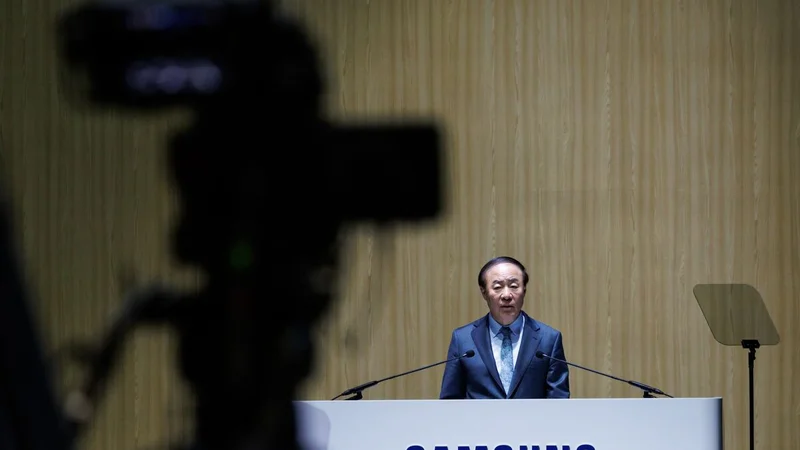
Image: Bloomberg AI
Main Takeaway
Samsung Electronics and its largest union have resumed high-stakes wage negotiations after a planned 18-day strike threatened global chip supplies, sending company shares higher as both sides work to avert a walkout with direct government intervention.
Jump to Key PointsSummary
What triggered the standoff
Samsung Electronics and its largest labor union had been barreling toward a potential 18-day general strike starting May 21, with negotiations collapsing over core demands around wages and bonus structures. The union, representing an estimated 50,000 workers according to South Korean media cited by Humanresourcesonline, rejected management's latest compensation proposal and indicated any further talks would have to wait until after the strike concludes. The central sticking point was the union's push for an overhaul of Samsung's bonus scheme, with union representative Choi Seung-ho telling Reuters there is no reason to continue dialogue without institutionalization and transparency in how bonuses are calculated.
The breakdown followed government-mediated talks that fell apart just days before the planned walkout. Samsung's management had attempted to restart negotiations, sending a letter to the union proposing resumed talks, but the response was dismissive. The union's hardened position reflected years of accumulated frustration over what workers see as an opaque and unfair compensation system at one of the world's most profitable technology companies.
Why the government is intervening
South Korean Prime Minister Kim Min-seok has taken the unusual step of publicly urging both sides to reach a last-minute agreement, warning that a walkout at the world's largest memory chipmaker could inflict fatal damage on Korea's economy. According to Koreajoongangdaily, the prime minister addressed the dispute in a public statement, a rare level of government involvement in a single company's labor negotiations that underscores the national economic stakes. Samsung accounts for a significant portion of South Korea's exports and GDP, making any disruption at its chip factories a concern far beyond corporate headquarters.
The emergency government posture reflects Samsung's systemic importance. Memory chips power everything from smartphones to data centers, and Samsung holds roughly half the global DRAM market and about a third of NAND flash. A prolonged strike would ripple through supply chains already strained by geopolitical tensions and demand fluctuations.
Talks resume, shares react
The dynamic shifted on May 18 when management and union leaders returned to the negotiating table in what Bloomberg AI described as make-or-break talks. Samsung shares jumped on the news, with investors betting that the resumption of dialogue—however fragile—reduces the probability of a crippling work stoppage. The market reaction is notable: traders typically treat labor disputes at major manufacturers as binary events, pricing in either full resolution or prolonged conflict. The share jump suggests the resumption itself was unexpected enough to move the needle.
What actually changed to bring both sides back remains unclear. The union had previously rejected management's overture as insincere, and Choi Seung-ho's public statements emphasized that bonus transparency was non-negotiable. Either Samsung softened its position on disclosure, or the union calculated that the optics of refusing talks during government-mediated pressure had become unsustainable. Neither side has disclosed terms under discussion.
The timing matters. With the strike scheduled to begin imminently, any agreement would need to cover not just headline wage increases but the structural bonus reforms the union has demanded for years. Management likely faces pressure to avoid the precedent of a major Samsung strike—something the company has historically managed to prevent even as other Korean conglomerates have weathered high-profile labor actions.
What's at stake for Samsung and Korea
A strike at Samsung's semiconductor fabs would be unprecedented in scale. The company has cultivated a reputation for labor peace partly through aggressive legal and personnel strategies, including maintaining a non-union culture for decades until 2020. That history makes the current confrontation particularly jarring to Korean business observers.
The economic calculus extends beyond Samsung's balance sheet. Korea's export-dependent economy is already navigating a fragile recovery, with semiconductor cycles driving a significant portion of growth volatility. A strike during what some analysts see as an early-phase chip demand rebound would compound headwinds. The prime minister's intervention signals that Seoul views this as a macroeconomic risk event, not merely an industrial relations matter.
For Samsung's global customers—Apple, Nvidia, Dell, and countless others—any supply uncertainty arrives at an awkward moment. AI infrastructure buildouts are consuming memory at record rates, and Samsung's manufacturing capacity is already booked months ahead. Even a short disruption could force customers to dual-source or pay premiums for spot-market chips, with costs eventually passed to consumers.
Key Points
Samsung and its largest union have resumed high-stakes wage negotiations after earlier talks collapsed over bonus transparency demands
Samsung shares jumped following news that management and union leaders returned to negotiations, with markets pricing in reduced strike probability
The union, representing approximately 50,000 workers, had previously rejected management proposals and insisted on institutionalized bonus calculation methods
South Korean Prime Minister Kim Min-seok publicly warned that a strike at the world's largest memory chipmaker could cause fatal economic damage
Samsung produces roughly half the world's DRAM and a third of NAND flash; any supply disruption would ripple through global electronics supply chains
Questions Answered
The central conflict centers on bonus calculation transparency. The union wants institutionalized, clearly defined rules for how Samsung computes worker bonuses, replacing what members describe as an opaque system. Wage increases are also under discussion, but the bonus structure has become the symbolic and practical sticking point.
Markets treat labor disputes at critical manufacturers as binary risk events. The resumption of talks—after the union had publicly dismissed further negotiation—suggested both sides see enough common ground to avoid an immediate strike. Given Samsung's irreplaceable role in global memory supply, even uncertain dialogue beats a confirmed work stoppage.
A prime minister directly intervening in a single company's labor negotiation is rare in Korea. Kim Min-seok's public statement reflects Samsung's outsize economic importance—its exports and production activity move national GDP and trade figures meaningfully.
The union has authorization for an 18-day general strike starting May 21. Samsung would face production disruptions at semiconductor fabs that operate on finely tuned schedules. Global customers would likely scramble for alternative supply, and Korea's government would face pressure to mediate more aggressively.
Samsung maintained a non-union workforce until 2020 through methods that included aggressive personnel management and legal pressure. This makes the current confrontation historically unusual—the company built its reputation partly on labor peace, and a major strike would break that pattern dramatically.
Source Reliability
36% of sources are highly trusted · Avg reliability: 76
Go deeper with Organic Intel
Simple AI systems for your life, work, and business. Each one includes copyable prompts, guides, and downloadable resources.
Explore Systems