Roelof Botha Joins SpaceX Board Days After Record-Breaking IPO
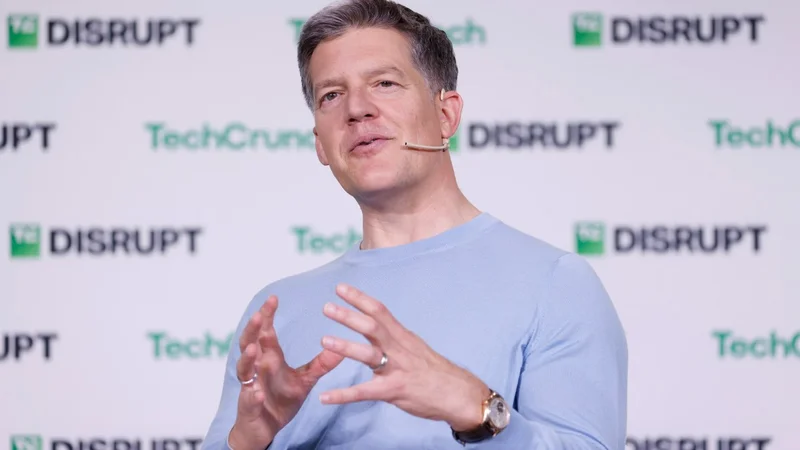
Image: TechCrunch AI
Main Takeaway
Former Sequoia Capital leader Roelof Botha joins SpaceX's board of directors, filling a vacancy just days after the company's historic $150 billion IPO.
Jump to Key PointsSummary
Why Botha's appointment matters now
SpaceX appointed Roelof Botha to its board of directors on June 17, 2026, less than one week after completing the largest initial public offering in history. The timing signals deliberate corporate governance restructuring as the company transitions from private venture-backed startup to publicly traded entity. Botha fills what SpaceX described in its SEC filing as an "existing vacancy," suggesting the board expansion was planned to coincide with public market status.
His addition brings SpaceX's board to nine directors and places him on the audit committee, a critical oversight role for a newly public company. According to TechCrunch, SpaceX specifically cited Botha's "extensive public company experience" and "deep audit committee background" as qualifications for the role. This expertise becomes essential as SpaceX navigates quarterly reporting requirements and heightened regulatory scrutiny that public status demands.
The PayPal connection spanning 25 years
Botha's relationship with Elon Musk extends back to the dot-com era, when both men worked at PayPal in 2000. Botha joined as chief financial officer in March of that year, while Musk served as a cofounder before being pushed out as CEO in September 2000. Their professional paths diverged but remained intertwined through subsequent decades.
In a 2025 Fortune interview, Botha addressed their complex dynamic directly. "I've known Elon for over 25 years," he stated. "He was the first person to offer me a job in America." Botha acknowledged friction in their early working relationship, noting they "bumped heads back then, over culture and software," but emphasized enduring respect. Fortune reports that Botha described Musk as someone who "deeply cares about doing the right thing" even when actions produce "unintended consequences." This history of navigating conflict while maintaining collaboration offers insight into how Botha might approach boardroom dynamics at SpaceX.
What Botha brings from Sequoia Capital
Botha departed Sequoia Capital in late 2025 after serving as "steward," the firm's distinctive title for its managing partner. His tenure spanned more than two decades and included backing transformative companies including YouTube, Instagram, Block, and MongoDB. Fortune notes his leadership period coincided with "a notably difficult time" in the firm's history, referring to internal restructuring and external market pressures on venture capital.
His investment track record demonstrates particular strength in identifying platform companies that scale rapidly from consumer adoption to enterprise utility. This pattern recognition could prove valuable for SpaceX as it expands Starlink's commercial applications and pursues government contracts. Botha's experience serving on multiple public company boards and audit committees provides governance infrastructure that SpaceX lacked as a private entity. TechCrunch reports he will serve until the next annual shareholder meeting, suggesting an initial trial period that could extend based on performance.
Board composition and Musk's inner circle
Botha joins a board heavily weighted toward Musk's longtime associates and existing investors. Current directors include Ira Ehrenpreis, Antonio Gracias, Steve Jurvetson, and Luke Nosek, all established members of Musk's network. Gwynne Shotwell, SpaceX's chief operating officer, provides internal operational perspective, while Google executive Donald Harrison and venture capitalist Randy Glein represent external strategic interests.
TechCrunch identified this composition as reflecting Musk's preference for trusted relationships over independent governance norms. The concentration of personal allies raises questions about board independence that public investors and regulators typically scrutinize. Botha's arrival introduces someone with substantial autonomous standing, his own reputation, and no current financial dependency on Musk's ventures. Whether this translates into independent oversight or reinforces existing dynamics depends on how Botha navigates his dual history of collaboration and conflict with SpaceX's chairman.
What this signals for SpaceX's public market evolution
The appointment suggests SpaceX recognizes governance gaps that could attract regulatory attention or investor concern as a public company. Pre-IPO, SpaceX operated with minimal disclosure requirements and board structures typical of founder-controlled private firms. Public status introduces fiduciary duties, minority shareholder protections, and SEC enforcement that demand more formalized oversight.
Botha's venture capital background also signals continued emphasis on growth metrics and capital efficiency over short-term profitability, consistent with SpaceX's historical approach. His presence may reassure institutional investors familiar with his track record while potentially concerning those seeking more conventional aerospace or defense industry expertise. The next annual shareholder meeting, when his term comes up for renewal, will indicate whether Botha's appointment represents genuine governance evolution or temporary window dressing for the IPO transition.
How this fits the broader tech governance pattern
Botha's move from leading a major venture firm to joining a portfolio company's board after its public listing reflects evolving career paths for senior VCs. Rather than remaining at Sequoia and managing the firm's SpaceX position indirectly, he now holds direct fiduciary responsibility. Fortune connects this to Sequoia's historical role as "among SpaceX's key venture backers," creating continuity between private and public phases of the company's capital structure.
The appointment also highlights how "PayPal Mafia" networks continue structuring Silicon Valley power relationships decades after the original company's acquisition. Botha's return to formal collaboration with Musk, after years of intermittent contact, demonstrates how early career connections persistently reshape later governance arrangements. For SpaceX investors, this network activation may accelerate strategic partnerships or create conflicts of interest that traditional governance structures struggle to contain.
Key Points
Roelof Botha joins SpaceX's board of directors to fill an existing vacancy.
The appointment comes less than one week after SpaceX completed the largest IPO in history.
Botha will serve on SpaceX's audit committee until the next annual shareholder meeting.
Botha and Musk first worked together at PayPal in 2000, giving them a 25-year professional history.
SpaceX's board expands to nine directors, including several longtime Musk associates.
Questions Answered
Roelof Botha joined SpaceX's board of directors on June 17, 2026. SpaceX announced the appointment in a filing with the Securities and Exchange Commission on that date, stating he was appointed to fill an existing vacancy and would serve until the next annual shareholder meeting.
Roelof Botha and Elon Musk have known each other for over 25 years since first working together at PayPal in 2000. Botha joined as CFO in March 2000 while Musk was a cofounder, and though they reportedly clashed over culture and software, Botha has expressed enduring respect for Musk.
Roelof Botha will join SpaceX's audit committee, leveraging his extensive public company experience and background serving on boards and audit committees of numerous public companies. SpaceX specifically highlighted these qualifications in its SEC filing announcing his appointment.
Roelof Botha stepped down as steward of Sequoia Capital in late 2025 after more than two decades at the firm, with his tenure coinciding with what Fortune described as a notably difficult period in the venture capital firm's history.
SpaceX's board expands to nine directors with Botha's appointment, including Elon Musk as chairman, COO Gwynne Shotwell, several longtime Musk associates, Google executive Donald Harrison, and venture capitalist Randy Glein.
Source Reliability
40% of sources are established · Avg reliability: 68
Go deeper with Organic Intel
Simple AI systems for your life, work, and business. Each one includes copyable prompts, guides, and downloadable resources.
Explore Systems