Microsoft Starts Unifying Copilot Apps as It Builds a Chat, Coding, and Agent Super App
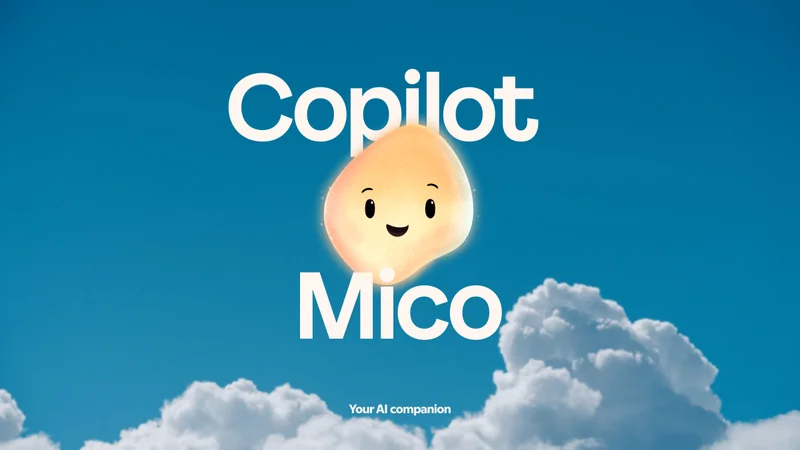
Image: TechCrunch AI
Main Takeaway
Microsoft is merging its consumer and enterprise Copilot apps, retiring several features while preparing a unified platform for chat, coding, image creation, and AI agents.
Jump to Key PointsSummary
Microsoft begins the Copilot merger
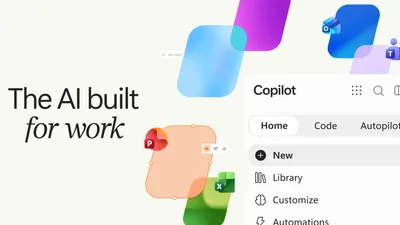
Microsoft has started combining its consumer Copilot and Microsoft 365 Copilot apps as the first step toward a unified AI service. The rollout began with a small group of users and changes navigation, sign-in, feature access, and the app icon, according to Fortune AI. Personal and business accounts remain distinct, with color cues helping users identify which account is active.
The combined application keeps the Microsoft Copilot name and brings consumer chat and image creation together with Microsoft 365 functions. The move also removes the need for separate Copilot icons in Windows taskbars and system trays, The Verge reported. Microsoft described the redesign as a foundation for a broader Copilot experience rather than a finished product.
A single home for AI tools
The planned Copilot super app is designed to place chat, coding, collaboration, and autonomous work in one interface. Satya Nadella confirmed the plan during Microsoft's earnings call, describing a service that will connect Copilot chat with Code, Cowork, Autopilot agents, and other specialized tools, according to Tech.yahoo and PCMag.
The strategy reflects Microsoft's broad distribution advantage. Copilot already appears across Windows, Microsoft 365, Teams, GitHub, and other products, but users have encountered separate apps, accounts, controls, and workflows. A single entry point could make those tools easier to discover while giving Microsoft a stronger channel for moving users between consumer and workplace AI. Queueassoc previously described the proposed service as a home for GitHub Copilot, Copilot Chat, Cowork, and agent-driven workflows.
Microsoft trims weaker features
The consolidation comes with a reduction in Copilot features. Microsoft is dropping AI-generated podcasts, Group Chats, Deep Research, and the Mico character as it simplifies the product, TechCrunch AI reported. The cuts show that the company is narrowing Copilot around functions tied to everyday assistance, software development, collaboration, and business automation.
That pruning matters because Microsoft has pushed Copilot into many parts of Windows and its productivity software, creating a crowded collection of assistants and settings. PCWorld's guide to disabling Copilot, Recall, Click To Do, browser features, and related Windows integrations illustrates the friction caused by that expansion. Microsoft has also added controls in Teams that let licensed meeting organizers switch off Copilot, Facilitator, and Intelligent Recap, according to Windowscentral.
Enterprise control sits beneath the app
Microsoft's super app is intended to connect user-facing assistants with enterprise governance and operations. The proposed architecture includes chat, Cowork, long-running Autopilot agents, and Microsoft Scout, along with governance systems such as Agent 365, IT operations, and security controls, according to Ai-cio.
That design places orchestration, memory, and context above any single foundation model. Ai-cio characterized Microsoft's approach as a multi-model strategy, allowing the company to coordinate different models while keeping business permissions and workflows inside Microsoft's software stack. The enterprise opportunity is substantial, but so is the administrative challenge. One application serving personal and corporate identities must keep data boundaries, account status, agent permissions, and meeting controls clear. The color-coded sign-in treatment and organizer controls address parts of that problem, but the broader rollout will test whether convenience outweighs governance complexity.
The competitive pressure behind consolidation
Microsoft is pursuing the super-app model as major AI companies compete to become users' default starting point for work and information. A unified Copilot could help Microsoft retain attention across Windows and Microsoft 365 while directing demand toward coding tools, agents, and enterprise services. Ai-cio framed the effort as part of a wider push by AI providers to keep users inside integrated platforms.
The pressure is also commercial. Futurism argued that Copilot has struggled to demonstrate sufficient traction, while Microsoft continues placing AI across Windows and its productivity products. Consolidation gives the company a clearer product story and a tighter route from casual chat to paid workplace capabilities. It also raises the stakes for competitors including OpenAI, Google, and Anthropic, whose assistants compete for the same enterprise workflows and developer relationships.
What users and developers should expect
Users will see the unified app gradually, with account handling and navigation changing before the full super-app vision arrives. Microsoft said the broader platform is planned for rollout this quarter, according to Tech.yahoo, PCMag, and Ai-cio. The immediate result is a cleaner Copilot entry point, while the longer-term goal is one workspace spanning conversation, content creation, coding, collaboration, and autonomous tasks.
Developers and IT teams will need to watch how Code, Cowork, Autopilot, Scout, and governance services share context and permissions. The feature retirements indicate that Microsoft is willing to remove experiments that fail to gain traction, while the Teams and Windows controls show that adoption will depend partly on giving administrators and users ways to limit AI. Microsoft's next test is making the unified experience feel coherent without turning every task into another layer of Copilot management.
The next test for Copilot
Microsoft's app merger gives Copilot a clearer center of gravity: one application backed by the company's operating system, productivity, developer, and enterprise platforms. The super-app plan will succeed only if that integration produces useful handoffs between chat, coding, agents, and work data rather than simply placing more tools behind one icon.
The rollout will reveal whether Microsoft can balance reach with restraint. Users are already being offered ways to disable parts of Windows and Teams AI, and Microsoft is removing several Copilot experiments. A focused product, paired with strong identity and governance controls, would strengthen Microsoft's position in enterprise AI. A crowded interface with unclear boundaries would reinforce the complaints that the consolidation is meant to solve.
Key Points
Microsoft is merging consumer and enterprise Copilot apps into one unified platform ahead of a planned super app.
Copilot's planned super app will combine chat, coding, collaboration, image creation, and autonomous agents.
Microsoft is retiring AI podcasts, Group Chats, Deep Research, and the Mico character during consolidation.
The unified app will preserve separate personal and business identities with clearer account indicators.
Microsoft is pairing Copilot expansion with Windows and Teams controls for disabling unwanted AI features.
Questions Answered
Microsoft's Copilot super app is a planned unified platform combining chat, coding, collaboration, image creation, and AI agents. It is being built by merging the consumer Copilot and Microsoft 365 Copilot experiences.
Microsoft is combining the consumer Microsoft Copilot app with the Microsoft 365 Copilot app. The unified experience will support personal and business accounts while keeping their identities and data boundaries distinct.
Microsoft's Copilot super app is planned to include Copilot chat, Code, Cowork, Autopilot agents, image creation, and Microsoft Scout. Enterprise governance, security, IT operations, memory, and orchestration are also part of the broader design.
Microsoft is retiring AI-generated podcasts, Group Chats, Deep Research, and the Mico character. The cuts accompany a broader effort to focus Copilot on chat, productivity, coding, collaboration, and enterprise automation.
Microsoft will use clearer navigation and color-coded indicators to show whether a user is signed into a personal or business account. The unified app does not eliminate the distinction between those identities.
Microsoft began rolling out the unified experience to a small subset of users in August 2026. The company said the broader super-app platform is planned for rollout during the quarter.
Source Reliability
60% of sources are trusted · Avg reliability: 70
Go deeper with Organic Intel
Simple AI systems for your life, work, and business. Each one includes copyable prompts, guides, and downloadable resources.
Explore Systems