YouTube Plans AI-Built Custom Feeds, Smarter Search and New Creator Tools for 2026
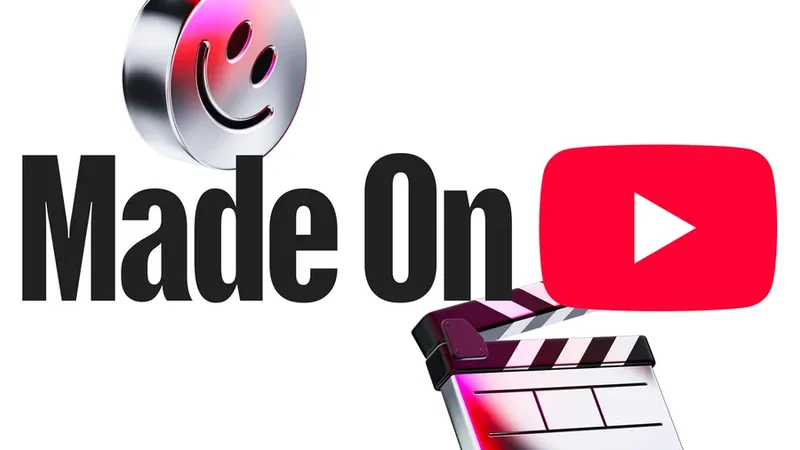
Image: Ars Technica AI
Main Takeaway
YouTube is introducing AI-built custom feeds that let viewers describe the videos they want, alongside expanded search, editing, dubbing and creator tools.
Jump to Key PointsSummary
YouTube puts viewers in control
YouTube is introducing Custom Feeds that let viewers describe the videos they want in natural language and receive a recommendation stream built around that request. The feature uses Google Gemini to translate prompts into a personalized feed, giving users a direct way to shape recommendations instead of relying only on the platform’s existing home-page algorithm.
The announcement came at YouTube’s Made on YouTube event and was described across coverage as an attempt to address the clutter and repetition that can build up in the home feed. A request could define a topic, mood, format or combination of interests, although the published details do not establish the full range of controls or launch timing. The feature represents a shift from passive recommendation toward user-directed programming.
How Custom Feeds will work
Custom Feeds will be created from written descriptions, with Gemini turning those instructions into a stream of recommended videos. YouTube is positioning the system as a flexible layer over its recommendation engine rather than a complete replacement for the home feed, according to coverage from TechCrunch, Gizmodo and The Next Web.
That distinction matters because the feature's value depends on how reliably YouTube interprets a prompt and how well the resulting feed stays aligned with it. Users may want a tightly defined stream for a single activity, or a broader mix built around several interests. Coverage from Digital Trends, Superpower Daily and The Tech Buzz frames the feature as a response to algorithmic drift, while WIRED emphasizes the added control over recommendation behavior.
Search becomes more conversational
YouTube is also expanding AI-powered search so users can ask for information in a more conversational way and receive organized video results. The change brings YouTube search closer to Google’s broader AI search direction, with the system intended to help users find relevant portions of videos rather than sorting through isolated keyword matches.
CNET and Android Headlines identify expanded AI search as one of the event’s main viewer-facing updates. The broader package places search and recommendations on the same path: both systems interpret intent before presenting content. For viewers, that could reduce the work required to find a specific explanation, comparison or collection of videos. For creators, it raises the importance of clear topics, accurate descriptions and content that can be surfaced in answer-oriented results.
More AI tools for creators
YouTube is adding a wider set of AI tools for creators, including editing assistance, auto-dubbing and conversational features. These tools address different parts of production and distribution, from assembling or refining videos to making them accessible in additional languages.
Coverage from Latestly, Technobezz and Ascendants also points to likeness detection as part of the creator-focused announcements. That feature is tied to the growing challenge of identifying and managing AI-generated uses of a creator’s face or voice. Auto-dubbing can expand a video’s reach across language markets, while editing assistance lowers some production barriers. The practical effect will depend on output quality, creator control and how YouTube handles consent, attribution and errors.
The platform widens its format mix
YouTube’s event also highlighted livestreaming, podcasts and broader engagement features, reinforcing the platform’s push beyond conventional on-demand video. The emphasis reflects a service competing for time across video, audio and live formats while using AI to connect users with each category.
9to5Google’s coverage highlights a feature called “Your podcast,” while Social Media Today describes a broader set of engagement updates. Livestreams create a different recommendation problem from recorded videos because timing and participation matter as much as topic relevance. Custom feeds could give viewers a way to separate those interests, though YouTube has not detailed how the new system will handle live content, podcasts or rapidly changing programming.
What happens next
YouTube’s announcements point to a platform where users describe what they want, AI organizes the discovery process and creators receive more automated production and distribution support. The approach gives Google another channel for applying Gemini to a high-volume consumer product, while YouTube gains new ways to keep viewers engaged across formats.
The immediate questions involve rollout, availability, prompt controls and safeguards around synthetic media. Coverage from TechCrunch AI, WIRED and CNET supports the central direction, while several other reports provide shorter summaries of the same event rather than detailed implementation information. YouTube’s success will rest on whether Custom Feeds deliver consistent results without creating another layer of opaque recommendation behavior.
Key Points
YouTube is building AI-generated Custom Feeds from viewers’ written descriptions of desired video recommendations.
Google Gemini will interpret natural-language prompts and shape personalized YouTube recommendation streams.
YouTube is expanding conversational AI search to organize video results around user intent.
Creator updates include AI editing, auto-dubbing, conversational tools and likeness detection.
YouTube is extending AI personalization across livestreams, podcasts, search and home-feed discovery.
Questions Answered
YouTube Custom Feeds are personalized recommendation streams created from a viewer’s written description of the videos they want. Google Gemini interprets the request and builds a feed around its topic, format or interests.
YouTube Custom Feeds will use Google Gemini to turn natural-language instructions into video recommendations. The system is intended to give viewers more direct influence over what appears in a personalized stream.
YouTube is expanding AI-powered search to handle more conversational requests and organize video results around user intent. The update brings YouTube discovery closer to Google’s broader AI search experience.
YouTube is adding AI editing assistance, auto-dubbing, conversational creation features and likeness detection for creators. These tools target production, multilingual distribution and protection against unauthorized synthetic uses of a creator’s identity.
YouTube has announced Custom Feeds for rollout later this year, but detailed availability information remains limited. The company has not specified every market, platform or control that will be included at launch.
Source Reliability
33% of sources are trusted · Avg reliability: 63
Go deeper with Organic Intel
Simple AI systems for your life, work, and business. Each one includes copyable prompts, guides, and downloadable resources.
Explore Systems