Oracle Seeks Contract Protection as Power Delays Threaten New Mexico AI Data Center
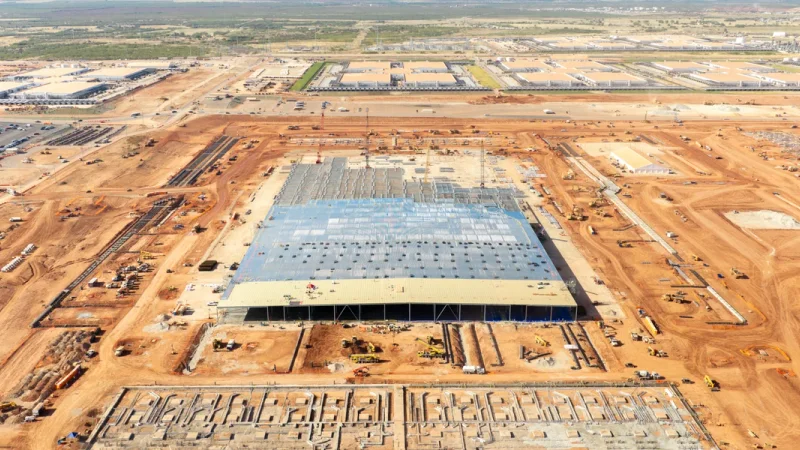
Image: News.bloomberglaw
Main Takeaway
Oracle invoked force majeure on New Mexico’s Project Jupiter, seeking to defer payments if power delays prevent the Stargate data center from opening in 2028.
Jump to Key PointsSummary
Oracle’s notice shifts the project’s risk
Oracle has invoked a force majeure provision tied to Project Jupiter, a large AI data center campus under development in New Mexico. The notice gives Oracle a basis to seek delayed payments and limit additional financial exposure if the facility misses its planned 2028 start date. People familiar with the matter described the action to Bloomberg and Reuters.
The immediate issue is power. Securing electricity for a hyperscale campus has become a scheduling constraint, and Oracle’s notice frames that constraint as an event that could affect its contractual obligations. The project is being developed for Oracle by a Blue Owl Capital unit, with Stack Infrastructure and BorderPlex Digital Assets identified in coverage as project developers.
Project Jupiter’s 2028 deadline
Project Jupiter is linked to Stargate, the large-scale AI infrastructure initiative associated with Oracle and OpenAI. The New Mexico campus has been described as a massive investment, though published estimates vary sharply. One report cited an $18 billion project, while another promoted a $165 billion figure for the broader development. Those figures aren't interchangeable, and the contractual notice centers on timing and payment obligations rather than a newly announced total cost.
The 2028 target gives the force majeure notice practical weight. Missing the deadline could expose Oracle to rent or other payments before the facility is ready to support the computing workload it was intended to house. TechCrunch, The Next Web and The Hindu BusinessLine each described the notice as a mechanism for delaying payments if the campus fails to come online on schedule.
Power has become the bottleneck
Electricity access is the central operational problem identified in the reporting. AI data centers require unusually large and steady power supplies, making grid connections, transmission work and regulatory approvals as important as construction of the buildings themselves. A delay in any one of those steps can push back equipment installation and the start of commercial operations.
The notice also places Project Jupiter within a wider conflict over data center development in New Mexico. Coverage has cited local opposition and regulatory setbacks surrounding the project, while power availability remains the direct reason given for Oracle’s contractual move. The combination raises the cost of sequencing construction, grid work and tenant commitments.
Oracle shares reflect investor concern
Oracle shares fell roughly 3% to 5% after news of the notice emerged, with the reported decline varying by trading period and outlet. The market reaction reflects concern about execution, spending and the pace of AI infrastructure expansion rather than confirmation that Project Jupiter has been canceled.
Oracle has committed heavily to data center capacity as demand for AI computing grows. A payment delay provision can reduce near-term exposure, but it also signals that the company is managing schedule risk on a project central to its AI infrastructure plans. Investors now have to weigh the protection offered by the notice against the possibility of slower capacity delivery and higher eventual costs.
What the notice means for Stargate
The force majeure action doesn't by itself terminate Project Jupiter or prove that the Stargate campus will miss its target. It establishes Oracle’s position that power-related delays may qualify for relief under the project’s agreements. Whether that position is accepted, challenged or negotiated will depend on the contracts and the developers’ response.
For Stargate, the episode highlights a basic infrastructure constraint: AI computing plans depend on physical sites, grid capacity and construction schedules. Oracle remains responsible for its broader commitments, while Blue Owl and the other developers face pressure to secure power and preserve the 2028 timetable. The project’s next milestones will be the status of utility access, regulatory approvals and any public response from Oracle or the developers.
A warning for hyperscale expansion
Project Jupiter shows how contractual risk is spreading through the AI data center supply chain. Cloud companies and model developers can announce ambitious computing capacity, but delivery depends on utilities, landlords, builders and local authorities moving on the same schedule. Force majeure provisions give buyers a tool to manage delays, while developers carry more uncertainty around financing and construction commitments.
The dispute also gives investors and communities a clearer measure of the pressures surrounding AI infrastructure. Power access, local opposition and regulatory timing can delay projects even when demand for capacity remains strong. Oracle’s notice protects its position for now, but the economic test will come when the parties decide whether Project Jupiter can secure power and reach operations by 2028.
Key Points
Oracle invoked force majeure on Project Jupiter over power delays threatening its 2028 opening target.
Project Jupiter developers include a Blue Owl Capital unit, Stack Infrastructure and BorderPlex Digital Assets.
The notice seeks to defer Oracle payment obligations if the New Mexico campus misses its deadline.
Oracle shares fell roughly 3% to 5% after reports of the contractual protection emerged.
Power access, regulatory setbacks and local opposition complicate Stargate data center expansion in New Mexico.
Questions Answered
Oracle invoked force majeure because power delays threaten Project Jupiter’s planned 2028 operating date. The notice seeks relief from payment obligations and other financial exposure if the delay prevents the facility from coming online on schedule.
Project Jupiter is a large AI data center campus being developed in New Mexico and associated with the Stargate initiative. Oracle is the intended customer, while a Blue Owl Capital unit and other developers are handling the project.
Oracle’s force majeure notice does not cancel Project Jupiter. It establishes Oracle’s position that power-related delays may justify delayed payments or other contractual relief while the project’s schedule remains under pressure.
Oracle shares fell roughly 3% to 5% after reports of the notice emerged. The decline reflected concern about execution, spending and the timing of AI infrastructure capacity.
Oracle’s Project Jupiter now depends on progress securing power, completing regulatory steps and maintaining the 2028 schedule. The developers and Oracle will also need to resolve how the force majeure provision affects payments and other contractual commitments.
Source Reliability
44% of sources are trusted · Avg reliability: 73
Go deeper with Organic Intel
Simple AI systems for your life, work, and business. Each one includes copyable prompts, guides, and downloadable resources.
Explore Systems