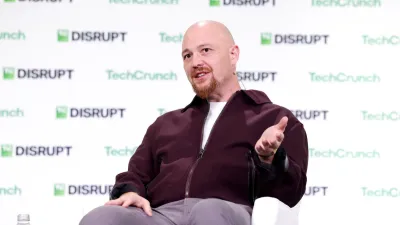
Kevin O'Leary Cuts Utah Data Center in Half After Political and Public Backlash
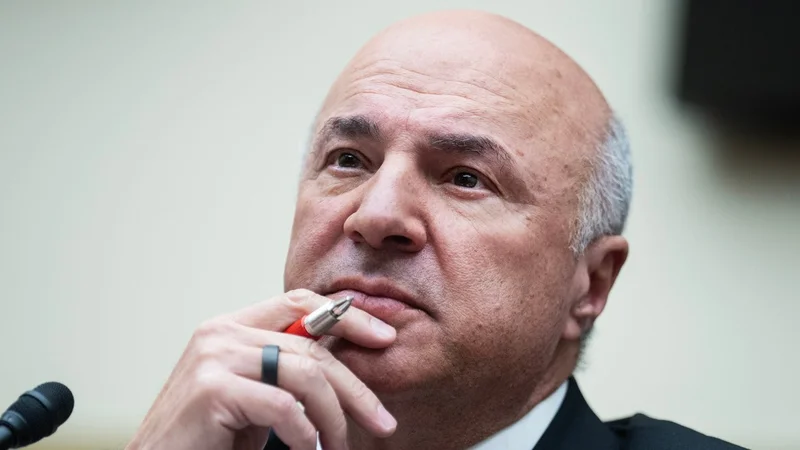
Image: Nbcnews
Main Takeaway
Kevin O'Leary agreed to halve his 40,000-acre Utah data center after protests over water use and political pressure from state leaders.
Jump to Key PointsSummary
What triggered the downsizing
Kevin O'Leary agreed to cut his planned Stratos data center project from 40,000 acres to roughly 20,000 acres after facing intense local protests and political pressure from Utah state leaders. The Shark Tank investor sent a letter to Utah Senate President J. Stuart Adams on June 4, 2026, confirming the reduction, according to NBC News. The project, initially approved by Box Elder County commissioners despite public opposition, had become a flashpoint for environmental and community concerns.
The backlash centered on fears that the massive facility would drain scarce water resources, particularly threatening the already vulnerable Great Salt Lake. Residents organized protests and even paid fees to support environmental protections. Ars Technica reported that O'Leary felt beaten up by the opposition and saw no choice but to shrink the project. The developer's initial rollout was so poorly received that O'Leary later admitted he screwed up the approach, according to ABC4 Utah.
What the revised project looks like
Of the remaining 20,000 acres, approximately half will remain undeveloped and set aside for agricultural use or wildlife habitat, leaving about 10,000 acres for actual data center development. O'Leary removed two of the three proposed project areas from the initiative, KSL reported. This means the effective development footprint has shrunk by 75% from the original vision, even though the total land controlled by the project dropped by only 50%.
The project will still maintain a footprint larger than Manhattan, The Verge AI noted. O'Leary has insisted he is not walking away from the project entirely, telling Business Insider that he remains committed to building the facility despite calls from some lawmakers for even deeper cuts. Utah Senate President Adams had previously proposed reducing the project by 75%, a demand that went further than what O'Leary ultimately accepted.
How state officials responded
Utah Governor Spencer Cox tightened rules for the data center project as political pressure mounted, Business Insider reported. The governor's intervention came after Republican county commissioners fast-tracked initial approval in May 2026, blocking public comment from hundreds of angry residents, according to Rolling Stone. That procedural move amplified public anger and drew statewide attention to the project.
The state's response reflects growing tension between economic development goals and environmental protection. Utah has actively courted data center investments, but the Stratos project became a test case for how large-scale AI infrastructure can face community resistance when water resources are at stake. O'Leary's team told Business Insider they were caught off guard by the intensity of the political pushback, suggesting the company underestimated local organizing capacity.
What this means for AI infrastructure development
The Stratos compromise signals that hyperscale data center projects are no longer automatic wins in communities with scarce water resources. AI facilities require enormous cooling systems, and in arid Western states, that demand collides directly with environmental concerns. The Utah case demonstrates that even celebrity-backed projects with political connections can be forced to retreat when local opposition mobilizes effectively.
Other developers are watching closely. The outcome may influence how future projects are pitched and where they are located. Companies like Google, Microsoft, and Meta have all expanded data center footprints in water-stressed regions, and the Stratos precedent suggests community consent has become a genuine variable in project viability. The compromise also shows that state-level political pressure can override local approvals that favor developers.
What happens next for O'Leary and Stratos
O'Leary must now navigate revised permitting under tighter state oversight while keeping investors confident in a project that has already been publicly diminished. Construction has not begun, and the reduced scale may affect financing and partnership terms. The remaining 10,000 developable acres still represent a substantial facility, but the project's identity as one of the world's largest data centers has been diluted.
Local opponents have not declared victory, with some continuing to push for deeper cuts or full cancellation. Whether the compromise satisfies enough stakeholders to prevent further legal or political challenges remains uncertain. For O'Leary, the episode has become a costly lesson in community relations, one he acknowledged directly with his admission of screwing up the rollout. The next phase will test whether a smaller project can rebuild trust or if opposition hardens further.
Key Points
Kevin O'Leary halved his Utah data center from 40,000 to 20,000 acres after intense backlash
Residents protested water use threatening the Great Salt Lake and organized fee-funded protections
Utah Senate President demanded 75% cut while Governor Cox tightened project rules
Effective development shrank to 10,000 acres with half the remaining land preserved
O'Leary admitted screwing up the rollout but refused to walk away from the project
Questions Answered
Kevin O'Leary agreed to shrink his Utah data center after intense local protests over water consumption and political pressure from Utah Senate President J. Stuart Adams and Governor Spencer Cox. The backlash threatened the project's political viability and O'Leary acknowledged he had mishandled the initial rollout.
The Stratos data center will cover approximately 20,000 acres total, down from 40,000 acres. However, only about 10,000 acres will be developed, with the remaining half preserved for agriculture and wildlife habitat.
Water concerns were the primary driver of opposition to the Stratos project, as residents feared the massive data center's cooling systems would drain scarce water resources and further endanger the already shrinking Great Salt Lake.
Kevin O'Leary did not consider canceling the project, stating explicitly that he was not walking away despite calls for deeper cuts. He characterized the downsizing as a necessary compromise while maintaining commitment to building the facility.
Utah state officials responded by tightening rules for the project, with Governor Spencer Cox imposing new conditions and Senate President Stuart Adams demanding a 75% reduction. Their intervention overrode the local county commission's initial approval that had favored O'Leary.
Source Reliability
50% of sources are trusted · Avg reliability: 79
Go deeper with Organic Intel
Simple AI systems for your life, work, and business. Each one includes copyable prompts, guides, and downloadable resources.
Explore Systems