Apple Sues OpenAI for Trade Secret Theft, Alleging a Campaign to Build Rival Hardware
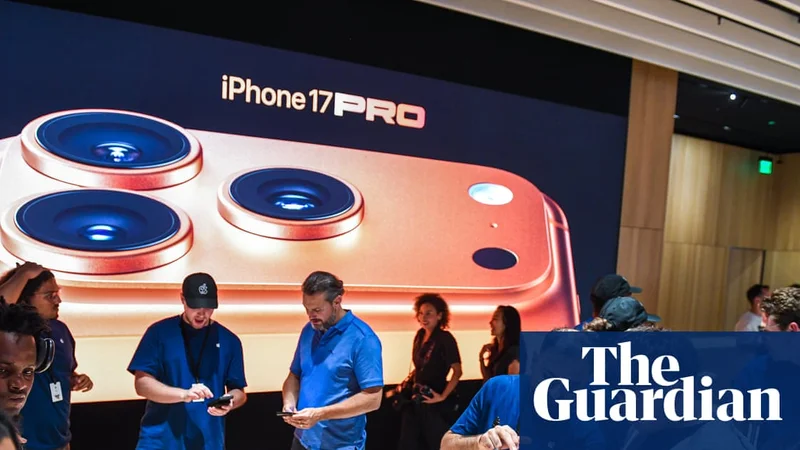
Image: Theguardian
Main Takeaway
Apple filed a federal lawsuit against OpenAI alleging a systematic scheme to poach employees and steal trade secrets for a new consumer hardware device.
Jump to Key PointsSummary
The core allegations in the lawsuit
Apple filed a lawsuit against OpenAI in federal court in Northern California on Friday, July 10, 2026, accusing the AI company of orchestrating a campaign to steal trade secrets. The complaint, described by multiple outlets as reading like a corporate crime thriller, alleges that OpenAI poached former Apple employees and coaxed them into handing over confidential material, product designs, and other tightly held information. According to CNBC, Apple says the scheme existed at every level of OpenAI, reaching all the way up to the company's chief hardware officer.
TechCrunch reports that the lawsuit claims more than 400 former Apple employees now work at OpenAI. Apple alleges that OpenAI conducted what Business Insider calls show and tell interviews, sessions where new hires were encouraged to share proprietary knowledge from their previous employer. The Guardian notes that Apple's suit specifically claims OpenAI wrongfully took secret and confidential information regarding unreleased technologies and processes. The complaint paints a picture of a deliberate, structured effort to extract Apple's hardware expertise rather than isolated incidents of misconduct.
How a bungled email and bad security fueled the conflict
Behind the dramatic legal filing lies a series of operational blunders that escalated tensions. NBC News obtained emails revealing that an Apple lawyer accidentally mixed up two OpenAI employees with similar names, Wang and Chang, in a communication expressing the company's concerns. The lawyer later apologized, but the misstep soured discussions between the two companies months before the lawsuit landed. Apple's complaint states that OpenAI never responded to its concerns about what Apple believed was trade secret theft.
Separately, a security failure on Apple's side added fuel to the fire. According to analysis from the blog Lumos, one OpenAI hardware engineer retained access to Apple's corporate network for weeks after quitting. The engineer reportedly texted a friend still at Apple, writing, LOL, I found out I can access the network storage, so funny, from an Apple-issued laptop the company had been requesting back. The engineer allegedly downloaded confidential files during that window. Lumos argues this incident highlights how AI agents will make insider threat scenarios a hundred times worse in the future.
What the lawsuit means for OpenAI's IPO timeline
The timing of the lawsuit is particularly damaging for OpenAI. TechCrunch's Equity podcast team notes that the company is reportedly eyeing an initial public offering as early as later this year. A high-stakes legal battle with the world's most valuable company introduces uncertainty that investors typically find difficult to price. The complaint's allegations of misconduct at the highest levels of OpenAI's hardware division raise governance questions that could complicate regulatory filings and investor roadshows.
OpenAI's response so far has been carefully hedged, according to TechCrunch. The company hasn't issued a detailed rebuttal to the specific claims about its chief hardware officer or the alleged show and tell interviews. The lawsuit also threatens OpenAI's own hardware ambitions, which the complaint directly targets. Apple is essentially arguing that OpenAI's consumer device plans are built on stolen intellectual property, a claim that could force delays or redesigns if Apple seeks an injunction.
The collapse of a high-profile partnership
The lawsuit marks a shocking reversal for two companies that entered into a celebrated partnership in 2024. CNBC recalls that Apple integrated ChatGPT into the iPhone's operating system, a deal that was presented as a landmark moment for consumer AI. Apple CEO Tim Cook and OpenAI CEO Sam Altman were both photographed at the Sun Valley conference over the same weekend the lawsuit was filed, a juxtaposition that Business Insider highlights as almost cinematic in its tension.
The Verge frames the conflict as Apple's plot to crush OpenAI, suggesting the lawsuit is a strategic move beyond mere intellectual property protection. The publication notes the complaint is readable and intense, arguing that Apple is using the legal system to hobble a competitor that has rapidly become a threat in the consumer technology space. NBC News adds that the breakdown in communications, including the bungled email, shows the relationship had been deteriorating for months before the public rupture.
Why this signals a new phase in the AI talent war
The lawsuit exposes the intensity of the competition for AI and hardware talent between tech giants and well-funded startups. Business Insider frames the conflict as the AI talent war reaching a level worthy of a Hollywood adaptation. Apple's claim that over 400 former employees now work at OpenAI underscores the scale of the migration. The complaint alleges that OpenAI didn't just hire Apple's people, it actively solicited them to bring proprietary knowledge with them.
Reuters reports that Apple named two former employees specifically in the suit, signaling an intent to hold individuals accountable alongside the corporation. This strategy raises the stakes for engineers considering job moves between major AI players. The case could set legal precedents about what constitutes legitimate hiring versus trade secret theft when employees switch firms in the same technical domain. The Verge notes that the broader question running through the week's news is how much anyone should trust AI companies with sensitive information.
What happens next in the legal battle
Apple filed the suit in federal court in Northern California, a jurisdiction with extensive experience handling Silicon Valley trade secret disputes. The company will likely seek discovery to examine OpenAI's internal communications and hiring practices, a process that could surface embarrassing details for both sides. If Apple pursues a preliminary injunction, OpenAI's hardware development timeline could face immediate disruption.
OpenAI's legal strategy remains unclear. The company's hedged public statements suggest it may argue that the allegations are overblown or that Apple is abusing the legal system to slow a competitor. The case also arrives as regulators globally are scrutinizing AI companies more closely, adding another layer of complexity. The outcome will ripple across the industry, influencing how every AI firm approaches hiring from rivals and how aggressively incumbents use trade secret law as a competitive weapon.
Key Points
Apple sued OpenAI in federal court alleging a systematic campaign to steal hardware trade secrets through targeted employee poaching.
The lawsuit claims over 400 former Apple employees now work at OpenAI and that misconduct reached the chief hardware officer level.
A bungled email from Apple's lawyer mixing up two OpenAI employees and an engineer's lingering network access inflamed the pre-lawsuit conflict.
The legal action threatens OpenAI's reported IPO timeline and its ambitions to launch consumer hardware devices.
The suit reverses the 2024 partnership that brought ChatGPT to iPhones and signals escalation in the AI talent war.
Questions Answered
Apple sued OpenAI alleging that the company orchestrated a campaign to poach Apple employees and steal trade secrets related to unreleased hardware technologies. The lawsuit claims OpenAI conducted show and tell interviews to extract confidential information for its own consumer device plans.
Apple's complaint states that more than 400 former Apple employees now work at OpenAI. The suit alleges that OpenAI actively solicited these hires to bring proprietary knowledge with them as part of a deliberate strategy.
NBC News obtained emails showing that an Apple lawyer accidentally mixed up two OpenAI employees with the similar names Wang and Chang while communicating concerns about trade secret theft. The lawyer later apologized, but the mistake soured talks between the companies months before the lawsuit.
The lawsuit introduces significant uncertainty at a critical time, as OpenAI is reportedly eyeing an IPO as early as later in 2026. The allegations of misconduct at senior levels raise governance concerns that could complicate regulatory filings and investor confidence.
According to analysis from the blog Lumos, one OpenAI hardware engineer retained access to Apple's corporate network for weeks after quitting. The engineer texted a friend about accessing network storage and allegedly downloaded confidential files from an Apple-issued laptop the company had been requesting back.
In 2024, Apple and OpenAI entered into a high-profile partnership that integrated ChatGPT directly into the iPhone's operating system. The July 2026 lawsuit marks a dramatic collapse of that relationship, with Apple now accusing its former partner of systematic trade secret theft.
Source Reliability
78% of sources are highly trusted · Avg reliability: 83
Go deeper with Organic Intel
Simple AI systems for your life, work, and business. Each one includes copyable prompts, guides, and downloadable resources.
Explore Systems