HR Chiefs Push Back: Stop Using AI as Excuse for Mass Layoffs
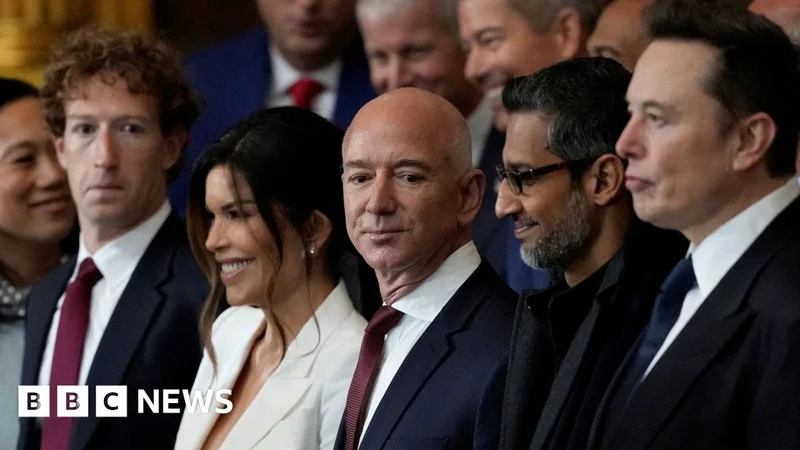
Image: Bbc
Main Takeaway
Senior HR executives warn CEOs against using AI adoption as justification for workforce cuts, citing hidden costs and long-term damage.
Jump to Key PointsSummary
Why executives are blaming AI for layoffs
Tech CEOs have found a new scapegoat for mass layoffs: artificial intelligence. According to BBC reporting, industry leaders including Zuckerberg, Bezos, Pichai and Musk are increasingly pointing to AI tools as the reason for sweeping job cuts, replacing previous justifications like efficiency and over-hiring. This shift in messaging comes as global AI spending is projected to hit $500 billion in 2026 while training budgets shrink and employee motivation drops to six-month lows.
The narrative is convenient but potentially misleading. Fortune reports that 66% of CEOs are freezing hiring while betting billions on AI, creating what analysts call "operational paralysis" rather than fiscal prudence. The disconnect between massive AI investments and workforce reductions has raised red flags across the HR community.
What HR leaders wish they'd known
The hidden costs of AI-driven layoffs are starting to surface. Careerminds research reveals that over 100,000 workers lost jobs in the past year as companies rushed to replace human roles with AI systems. Klarna became the poster child for this movement before quietly beginning to rehire humans when AI couldn't deliver promised results.
Senior HR executives are losing sleep over what they see as shortsighted decisions. One Fortune dinner attendee captured the sentiment: "The thing that keeps me up at night is this notion of the immediacy, of you can just use AI, get efficiencies, and release talent." The regret is palpable as companies discover that cutting workers based on AI's potential rather than actual performance creates expensive rehiring cycles and destroys institutional knowledge.
The trust deficit created by false AI narratives
When companies blame AI for layoffs, they're not just making business decisions, they're eroding employee trust. Times Union analysis highlights how using AI as cover for workforce reductions damages credibility at a time when both are already fragile. Employees see through the narrative when AI tools aren't actually delivering the promised productivity gains.
HR Grapevine reports growing skepticism among workers about whether leaders are being honest about so-called AI layoffs. This trust deficit extends beyond current employees to potential hires, creating recruitment challenges as companies try to rebuild workforces. The long-term reputational damage often exceeds any short-term cost savings.
Reality check: AI adoption vs. AI-ready workers
Despite the layoff narrative, Orgvue's analysis of Fortune 100 job postings reveals a surprising finding: most major companies aren't actually hiring AI-ready workers. This disconnect suggests that the AI transformation story being sold to justify layoffs may not match actual implementation plans.
The data points to a perception-driven crisis rather than production-driven changes. Companies are making workforce decisions based on AI's potential impact rather than its current capabilities or their actual adoption roadmap. This gap between perception and reality is creating what experts call "AI theater", dramatic announcements that don't reflect operational changes.
The legal and operational risks ahead
Legal experts are warning that AI-based layoffs may expose companies to discrimination claims and regulatory scrutiny. JD Supra analysis indicates that using AI as justification for reductions in force requires careful documentation of actual AI capabilities and implementation timelines, not just projections.
HR leaders face particular challenges in defending these decisions. SHRM guidance emphasizes that companies need to demonstrate clear business necessity and explore alternatives before citing AI as reason for job cuts. The burden of proof lies with employers to show that AI can actually perform the eliminated roles, not just that it might eventually.
What happens next: The Chief Workforce Architect
As companies grapple with the fallout from premature AI layoffs, a new role is emerging: the Chief Workforce Architect. Fortune reports this position may be the only thing standing between AI ROI promises and operational gridlock. These executives are tasked with balancing AI adoption against human workforce needs.
The role represents a fundamental shift from viewing AI as replacement technology to seeing it as augmentation. Delta Air Lines' approach provides a model: their HR chief Joanne Smith emphasizes keeping human interaction in AI-enhanced hiring processes, recognizing that the goal is finding the right talent, not just automating decisions.
How to avoid the AI layoff trap
Josh Bersin's analysis offers a reality check: despite fears of Superintelligence destroying jobs, AI's actual impact on employment is vastly over-hyped. The key insight is that AI works best as a productivity tool for existing workers, not as wholesale replacement for human roles.
Companies succeeding with AI are taking a different approach: investing in employee training while implementing AI gradually, ensuring productivity gains justify workforce changes before making cuts. This measured approach prevents the expensive mistakes of early AI adopters who cut first and asked questions later.
Key Points
HR executives warn against using AI as cover for layoffs, citing hidden costs like rehiring cycles and lost institutional knowledge
Despite 66% of CEOs freezing hiring for AI investments, Fortune 100 companies aren't actually hiring AI-ready workers
Companies like Klarna who cut workers for AI are quietly rehiring humans when AI fails to deliver promised productivity gains
Using AI as layoff justification creates employee trust deficits and potential legal risks for discrimination claims
New Chief Workforce Architect role emerges to balance AI adoption against human workforce needs
Questions Answered
While 100,000+ workers lost jobs in 2025 due to AI replacement efforts, many companies are finding AI can't deliver promised results and are quietly rehiring humans, making the AI justification questionable.
HR executives see these cuts as shortsighted, creating expensive rehiring cycles, destroying institutional knowledge, and damaging employee trust without delivering actual productivity gains.
Companies must demonstrate clear business necessity and AI capabilities, not just projections. Failure to properly document actual AI implementation can expose employers to discrimination claims and regulatory scrutiny.
Successful companies invest in employee training while implementing AI gradually, ensuring productivity gains justify workforce changes before making cuts, focusing on augmentation rather than replacement.
This emerging position balances AI ROI promises with operational reality, ensuring AI adoption doesn't create gridlock while maintaining human workforce capabilities.
Evidence suggests the narrative may be misleading - while CEOs blame AI for cuts, actual AI adoption and hiring patterns don't support the transformation story being used to justify layoffs.
Source Reliability
38% of sources are established · Avg reliability: 65
Go deeper with Organic Intel
Simple AI systems for your life, work, and business. Each one includes copyable prompts, guides, and downloadable resources.
Explore Systems