How a $93 Box of Tomatoes Became the New Symbol of America's Affordability Crisis
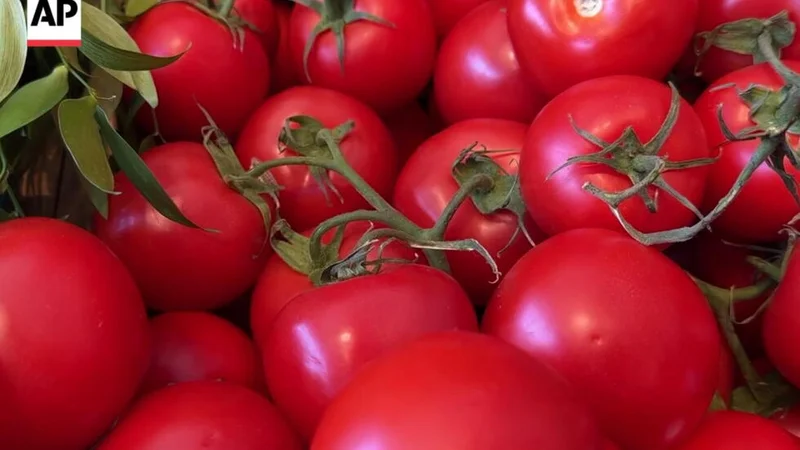
Image: Apnews
Main Takeaway
U.S. tomato prices surged over 40% in the past year, the biggest jump of any food tracked by the Consumer Price Index, as tariffs and weather hammer.
Jump to Key PointsSummary
The scale of the tomato price shock
A 40 percent surge in tomato prices over the past year has turned a kitchen staple into a political and economic flashpoint. According to Bureau of Labor Statistics data cited by the Associated Press and Yahoo Finance, that spike is the single largest increase among all food products tracked in the Consumer Price Index. Some retailers are now charging $93 for a case of tomatoes, Fortune reports, a price point that independent restaurateurs and sandwich shops describe as a margin killer.
The broader grocery picture compounds the sting. NBC News tracking data shows overall food-at-home prices rose 2.9 percent in April from a year ago, with a 0.7 percent jump from March alone. The Seattle Times notes that fresh fruits and vegetables, perishable items especially vulnerable to fuel and shipping costs, soared 6.5 percent year over year. While bananas and citrus also climbed, tomatoes carried the steepest rise.
What's actually driving prices higher
Three forces are colliding. The Seattle Times points to a combination of bad weather in growing regions, elevated tariffs on imported produce, and climbing transportation costs as fuel prices surged. Fortune and AOL reporting layers in supply shocks from ongoing geopolitical disruption, including the war in Ukraine's effect on fertilizer and energy inputs. The result is a supply chain squeeze that hits a crop Americans expect to find cheap and abundant year-round.
The tariff component is politically sensitive. Multiple sources, including ClickOnDetroit and NBC News, frame the price increases against President Trump's campaign promises to bring grocery costs down. The administration's trade policies, particularly tariffs on Mexican and Canadian agricultural imports, directly affect the tomato market. Mexico supplies a large share of U.S. winter tomatoes, and importers pass those duties through the distribution chain to restaurant owners and grocery shoppers.
Why tomatoes became the new eggs
The comparison to the Biden-era egg crisis is not just media shorthand. Fortune and Yahoo Finance both draw the parallel explicitly: eggs were the visceral symbol of inflation during 2023 and 2024, when avian flu decimated flocks and sent prices soaring. Tomatoes now occupy that same cultural slot, a ubiquitous ingredient whose sudden expense forces consumers to notice inflation every time they order a burger or build a salad.
Isaac Bernal Carbajo, a New York City chef quoted by the AP and Fortune, captured the psychology. "The tomato has become a symbol of something much deeper," he said, lamenting that "something as basic as buying fresh vegetables is starting to become a serious financial decision for many families." The emotional weight comes from the tomato's universality. It sits on fast-food burgers, tops pizzas, becomes ketchup and marinara, and anchors home cooking across income levels. When that item breaks the household budget, the symbolic damage outweighs the dollar amount.
The political messaging battle
President Trump posted on Truth Social that he is "MAKING FOOD AFFORDABLE" and cited falling prices for avocados, fresh berries, and other select items, according to ClickOnDetroit. The claim ignores the categories where prices are rising fastest. The San Francisco Chronicle reports that ground beef is up 18.9 percent, coffee up 29 percent, and tomatoes up a full 50 percent in some markets compared to a year ago. The White House's cherry-picked basket of declining items does not match the checkout experience of most shoppers.
NBC News has been tracking grocery prices since Trump took office and finds that the administration's policies have not yet bent the cost curve downward for staple proteins and produce. The AP notes that the tomato price spike complicates the president's economic narrative heading into midterm season, giving opponents a concrete, relatable data point to argue that the affordability crisis persists.
The restaurant industry absorbs the blow
For food service businesses, the math is unforgiving. Fortune reports that a $93 case of tomatoes is breaking the economics of sandwich shops and pizzerias, where the ingredient is non-negotiable. Unlike eggs, which can be substituted in some recipes or temporarily removed from menus, tomatoes are irreplaceable in a vast swath of American cuisine. Restaurant margins, already thin after years of labor and rent inflation, cannot absorb a 40 percent input cost spike without menu price increases or quality cuts.
Independent operators face the worst pressure. Chains can hedge with futures contracts and volume purchasing. The neighborhood deli or taco stand pays spot market prices and passes the pain directly to customers or eats the loss. The AP notes that this dynamic makes the tomato a "nagging reminder of rising costs" that diners encounter at every meal, reinforcing inflation's psychological grip even as other categories moderate.
What happens next for shoppers
Seasonality offers some relief. Domestic tomato harvests ramp up in summer months, which should ease supply constraints and bring prices down from their April peaks. The Seattle Times cautions that fuel costs and tariff structures remain wildcards. If diesel prices stay elevated and trade policy does not shift, the seasonal dip may be shallower than consumers expect.
The broader trajectory of grocery inflation is uncertain. NBC News data shows that while some categories like potatoes have declined year over year, the protein and fresh produce aisles continue climbing. The San Francisco Chronicle's reporting on ground beef and coffee prices suggests that the tomato spike is not an isolated anomaly but part of a persistent pattern in perishable goods. For households already stretched by housing and healthcare costs, the grocery bill remains a monthly source of financial anxiety.
Key Points
Tomato prices jumped over 40 percent year over year, the steepest increase of any food item in the Consumer Price Index.
A combination of tariffs, bad weather, and elevated transportation costs is driving the surge in produce prices.
Some wholesalers are charging $93 per case of tomatoes, threatening margins for independent restaurants and sandwich shops.
President Trump highlighted falling avocado and berry prices while ignoring the steep increases in beef, coffee, and tomatoes.
Overall grocery prices rose 2.9 percent annually, with fresh fruits and vegetables climbing 6.5 percent in April alone.
Questions Answered
Tomato prices have surged more than 40 percent over the past year according to Bureau of Labor Statistics data, the largest increase of any food product tracked in the Consumer Price Index.
The spike is driven by a combination of bad weather in growing regions, tariffs on imported produce especially from Mexico, and climbing transportation costs as fuel prices have surged.
Independent restaurants and sandwich shops are under severe margin pressure, with some paying $93 per case of tomatoes. Unlike large chains that can hedge with futures contracts, small operators must absorb the cost or raise menu prices.
Trump posted on Truth Social claiming he is making food affordable, citing falling prices for avocados and fresh berries, while not addressing the steep increases in tomatoes, ground beef, and coffee.
Seasonal domestic harvests during summer months should bring some relief, but fuel costs and tariff structures remain unpredictable and could keep prices elevated compared to historical norms.
The tomato spike mirrors the egg crisis as a ubiquitous, hard-to-substitute ingredient whose sudden price increase forces consumers to confront inflation at nearly every meal, making it a potent political symbol.
Source Reliability
44% of sources are highly trusted · Avg reliability: 72
Go deeper with Organic Intel
Simple AI systems for your life, work, and business. Each one includes copyable prompts, guides, and downloadable resources.
Explore Systems