Harvard Expert: Iran War Will Cost U.S. Taxpayers $1 Trillion
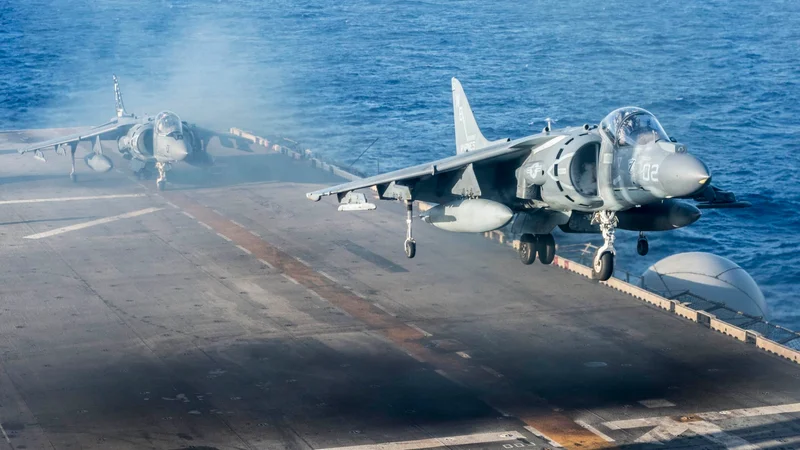
Image: Cnbc
Main Takeaway
Harvard's Linda Bilmes warns the true cost of Trump's Iran war will hit $1 trillion when hidden expenses like veteran care and interest are tallied.
Jump to Key PointsSummary
The $1 trillion warning
Harvard Kennedy School lecturer Linda Bilmes says the Iran war will cost U.S. taxpayers at least $1 trillion. Her assessment comes from studying past conflicts and current borrowing patterns. The Pentagon claims the first six days cost $11.3 billion, but Bilmes calls this an undercount that ignores long-term obligations.
She previously calculated that the Iraq and Afghanistan wars ultimately cost $4-6 trillion, far above initial estimates. The same dynamic is playing out now, she argues, as the U.S. finances military operations through debt at higher interest rates than during previous wars.
Why official numbers miss the mark
The Pentagon's figure covers only immediate military expenses: fuel, bombs, troop pay. It doesn't include lifetime healthcare for injured veterans, interest on borrowed money, or replenishing depleted weapons stockpiles. Bilmes notes that 20 years after Iraq, the U.S. is still paying $2 billion annually just to treat wounded veterans.
Current defense budgets also exclude the cascading costs that emerge years later. When munitions are expended, replacement contracts often cost more than original purchases. Medical advances mean more soldiers survive severe injuries, creating decades of disability and healthcare obligations that dwarf initial combat costs.
The debt burden factor
Unlike previous conflicts, the Iran war is being financed through record-high national debt. Public debt stood at $4 trillion during Iraq and Afghanistan. Today it's $31 trillion, with 15% of the federal budget servicing interest payments.
This creates a compounding effect Bilmes calls unprecedented. Higher interest rates mean each borrowed dollar for military operations generates more long-term interest than during post-9/11 wars. The result: future taxpayers will pay interest on interest for military actions taken today.
Historical precedent for massive undercounting
Bilmes and Nobel laureate Joseph Stiglitz demonstrated this pattern before. Their 2006 study found Iraq war costs were four times official projections. The Congressional Budget Office initially estimated $500 billion for Iraq; the actual cost reached $2 trillion by their moderate calculation.
In 2013, Bilmes revised the combined Iraq-Afghanistan price tag to $4-6 trillion. Each update revealed costs that were invisible in early Pentagon briefings but inevitable given how America wages and pays for war.
What this means for the federal budget
The trillion-dollar estimate represents more than military spending. It signals a shift in how war costs accumulate. Traditional budget scoring looks at annual appropriations, but Bilmes' methodology captures the full lifecycle expense.
For context, $1 trillion equals roughly three years of the entire Medicare budget or four years of Social Security payments. Spread across 20 years, that's $50 billion annually in additional obligations before considering interest. This dwarfs current foreign aid budgets and approaches major entitlement program spending.
The next generation's bill
Unlike infrastructure investments that generate economic returns, war debt produces no productive assets. Bilmes emphasizes that interest payments alone will transfer wealth from future taxpayers to bondholders without creating jobs or improving productivity.
The current generation's military actions become the next generation's fiscal burden. With no war tax or spending cuts to offset costs, the entire expense is being deferred. This creates what economists call an intergenerational transfer of wealth for activities with questionable long-term benefits.
Political implications
The trillion-dollar projection arrives as Congress debates military appropriations and debt ceiling negotiations. Bilmes' analysis provides ammunition for fiscal conservatives arguing against open-ended military commitments without funding mechanisms.
It also complicates the administration's messaging about limited, targeted operations. When voters realize a six-day bombing campaign seeds decades of obligations, support for military interventions may decline. The methodology essentially turns abstract military costs into concrete kitchen-table budget impacts.
What happens next
Bilmes predicts her assessment will prove conservative if the conflict escalates or becomes protracted. Even with current ceasefire efforts, the U.S. maintains its naval blockade and troop deployments that generate daily costs.
The true test will come in 5-10 years when veteran healthcare claims and interest payments surface in federal budgets. By then, the trillion-dollar estimate may seem optimistic if historical patterns hold. For now, taxpayers are financing military operations today with bills that will arrive long after current policymakers leave office.
Key Points
Harvard's Linda Bilmes projects $1+ trillion total cost for Iran war versus Pentagon's $11.3 billion initial estimate
Previous analysis showed Iraq/Afghanistan wars cost $4-6 trillion, 8-12x original $500 billion projection
Hidden costs include lifetime veteran healthcare, interest on borrowed money, and weapons replenishment
Current national debt ($31 trillion) and higher interest rates create unprecedented compounding effect
Future taxpayers will pay interest on interest for military actions taken today without generating productive assets
Questions Answered
Linda Bilmes is a public policy lecturer at Harvard Kennedy School who previously calculated Iraq war costs with Nobel laureate Joseph Stiglitz. Their 2006 study proved Iraq would cost $2 trillion versus official $500 billion estimates, later revised to $4-6 trillion for combined Iraq-Afghanistan wars.
Pentagon figures only cover immediate military expenses like fuel, munitions, and troop pay. They exclude lifetime veteran healthcare and disability payments, interest on borrowed money, weapons stockpile replenishment, and long-term care for injured service members.
During Iraq/Afghanistan wars, national debt was $4 trillion. Today it's $31 trillion with 15% of federal budget servicing interest. Higher interest rates mean each borrowed dollar generates more long-term debt service, creating unprecedented compounding costs.
Like previous wars, the full financial impact emerges over 10-20 years through veteran healthcare claims, disability payments, and interest on debt. Current military actions create obligations that surface in federal budgets long after current policymakers leave office.
Source Reliability
67% of sources are trusted · Avg reliability: 75
Go deeper with Organic Intel
Simple AI systems for your life, work, and business. Each one includes copyable prompts, guides, and downloadable resources.
Explore Systems