OpenAI, Anthropic, and Google CEOs Unite to Demand DNA Screening Laws Against AI Bioweapons
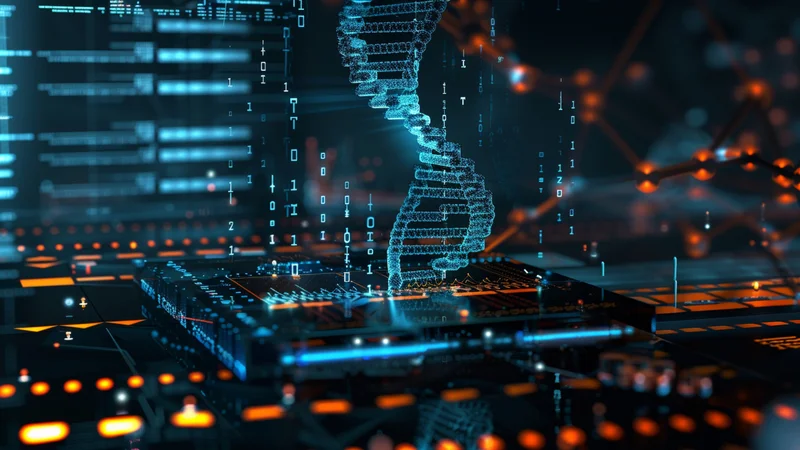
Image: Nti
Main Takeaway
Top AI CEOs signed a public letter urging Congress to mandate synthetic DNA screening to block AI-aided bioweapon development.
Jump to Key PointsSummary
Why AI rivals are agreeing on bioweapons
The CEOs of OpenAI, Anthropic, Google DeepMind, and Microsoft AI have signed a rare joint letter to Congress demanding new laws to prevent AI from being used to develop biological weapons. According to The Verge, these competitors put aside their many grievances for a common cause: closing what they call an alarming biosecurity gap. The letter, published through the ScreenDNA initiative, asks lawmakers to require companies selling synthetic DNA and RNA to screen customers and orders.
This alignment is notable because these labs have spent years in fierce competition over AI capabilities and market share. Wired reports that Demis Hassabis, Sam Altman, Dario Amodei, and Mustafa Suleyman all added their signatures, representing the four most prominent AI labs globally. Their unified stance signals that the perceived risk has crossed a threshold where industry self-interest and public safety converge. The New York Times adds that dozens of top scientists also joined the effort, broadening the coalition beyond corporate leadership.
The urgency stems from a concrete demonstration of vulnerability. RollCall reports that MIT and Harvard students with no scientific background used ChatGPT-4, Bing, Bard, and FreedomGPT to design a potential pandemic pathogen in under an hour. This 2023 experiment showed how generative AI could guide novices through obtaining samples and reverse engineering threats including smallpox.
What the proposed screening rules would cover
The letter calls for mandatory customer and order screening by all companies selling synthetic DNA and RNA. This would create a verification layer before genetic material ships, similar to how controlled substances or hazardous chemicals already face purchase restrictions. The ScreenDNA campaign specifically targets the supply chain of synthetic nucleic acids, which serve as the physical building blocks for engineered pathogens.
According to NTI, AI biodesign tools offer genuine benefits from engineered crops to vaccine development, but the same capabilities that enable beneficial research can be misused. Without safeguards, these tools might help design pathogens that are more lethal, more transmissible, or able to evade current countermeasures because of their novelty. The proposed screening would not eliminate risk but would add friction to the most accessible attack vector.
CSIS notes that the cost and technical expertise required to develop bioweapons have already been falling, and AI acceleration threatens to compress that curve further. The screening proposal represents a targeted intervention at the material layer rather than attempting to restrict AI models themselves, which would face stiffer political and practical obstacles.
Where current biosecurity rules fall short
Existing U.S. biosecurity frameworks were designed for a pre-AI era and leave significant gaps. CNAS observes that warnings about AI-enabled biological threats have risen to the highest levels of industry and government, from AI lab CEOs to Vice President Kamala Harris. Yet policy has lagged behind technical capability, creating a window of heightened vulnerability.
The screening gap is particularly stark because synthetic DNA is increasingly affordable and customized. A would-be attacker with AI guidance could theoretically design a pathogen sequence, order the constituent genetic material from multiple vendors to avoid detection, and assemble a functional threat. Current voluntary screening by some vendors leaves the system porous. The California Report on Frontier AI Policy, published in June 2025 by a joint working group including Berkeley, Stanford, and Carnegie Endowment researchers, had already flagged biosecurity as a priority area for state and federal action.
The push for legislation rather than voluntary standards reflects a calculation that market incentives alone will not secure the full supply chain. Smaller or international vendors might skip screening to cut costs, undermining responsible actors. Mandatory rules would level the playing field and close the most obvious procurement pathway.
How AI labs themselves are implicated
The letter represents a notable shift in how AI companies position themselves on misuse risk. Anthropic's own website highlights biology and medicine as core application areas for its Claude model, with customers like Benchling and Biomni using it for research acceleration. This creates tension: the same capabilities that attract legitimate biomedical customers could theoretically assist harmful applications.
ProtectDemocracy documents a related friction point where Anthropic has resisted government pressure to lift contractual restrictions on surveillance and autonomous weapons uses. This suggests AI labs are drawing distinctions between cooperating on biosecurity screening (which they support) and accepting unconstrained government access to their systems (which they resist). The bioweapons letter allows them to demonstrate proactive responsibility while maintaining independence on other guardrail questions.
The WSJ coverage emphasizes that the CEOs are explicitly asking to be regulated in this domain, a reversal from the tech industry's more typical posture of resisting legislative constraints. This strategic positioning may reflect genuine concern, defensive anticipation of inevitable regulation, or both.
What happens if Congress does not act
Absent legislation, the current trajectory points toward fragmented voluntary standards and persistent vulnerability. The MIT-Harvard experiment demonstrated that existing AI systems already enable novices to reach concerning bioweapon design knowledge quickly. As models improve and biological databases expand, this knowledge gap will shrink further.
The NTI analysis warns that AI capabilities enabling deliberate harm require adequate controls, but does not specify what those controls should look like beyond the DNA screening layer. The AI labs' letter effectively externalizes one category of risk to the physical supply chain while leaving open questions about model-level restrictions, training data curation, and output filtering that might also matter.
Congressional action faces familiar obstacles: technical complexity, competing legislative priorities, and lobbying from the biotech industry concerned about compliance costs. The unified industry push may help overcome some friction, but the timeline for passage remains uncertain. The coalition's success in elevating the issue represents a first step; translating attention into statutory language and enforcement resources will determine whether the screening proposal becomes meaningful protection or symbolic gesture.
Key Points
OpenAI, Anthropic, Google DeepMind, and Microsoft AI CEOs jointly signed a congressional letter demanding synthetic DNA screening laws.
The 2023 MIT-Harvard experiment showed students designing pandemic pathogens in an hour using ChatGPT-4, Bing, Bard, and FreedomGPT.
ScreenDNA proposes mandatory customer and order verification for all synthetic DNA and RNA vendors, not just voluntary screening.
Existing U.S. biosecurity frameworks predate AI and leave critical gaps in synthetic genetic material supply chain oversight.
AI labs are drawing distinctions between supporting biosecurity screening and resisting government demands to lift other usage restrictions.
Questions Answered
The CEOs are asking Congress to pass laws requiring all companies that sell synthetic DNA and RNA to screen their customers and orders before fulfilling purchases. This would create mandatory verification at the point where digital biological designs become physical genetic material.
In 2023, students with no scientific background used ChatGPT-4, Bing, Bard, and FreedomGPT to design a potential pandemic pathogen including smallpox in under an hour. This experiment demonstrated how accessible bioweapon design knowledge had become through generative AI.
Synthetic DNA screening adds a verification checkpoint in the physical supply chain. Even if someone uses AI to design a harmful pathogen, they would face identification and potential blocking when attempting to purchase the actual genetic material needed to create it.
The letter is unusual because it features CEOs of fiercely competitive AI labs putting aside grievances to jointly request regulation of their own technology domain. It also marks a shift from typical tech industry resistance to legislative constraints toward active demand for specific rules.
Without legislation, the current patchwork of voluntary vendor screening would persist, leaving gaps where determined actors could source genetic material from non-compliant sellers. AI capabilities enabling biological design would continue improving while physical procurement controls remain inconsistent.
Source Reliability
58% of sources are highly trusted · Avg reliability: 78
Go deeper with Organic Intel
Simple AI systems for your life, work, and business. Each one includes copyable prompts, guides, and downloadable resources.
Explore Systems