Artist Sues FIFA for $25 Million After Iconic Dallas Whale Mural Painted Over for World Cup
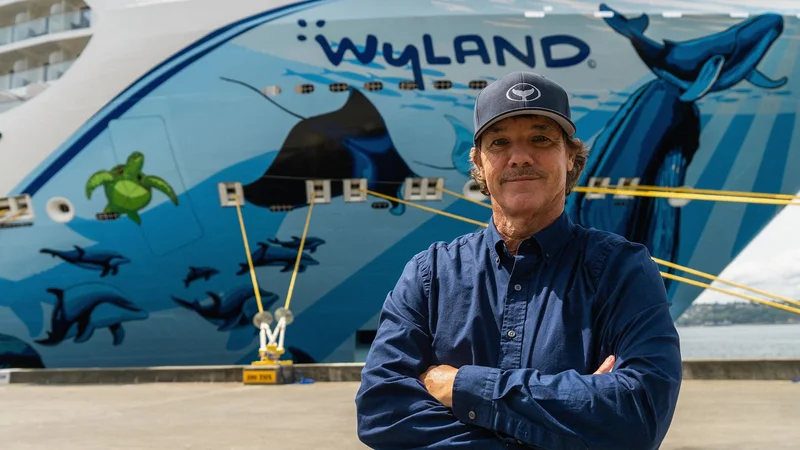
Image: Aljazeera
Main Takeaway
Environmental artist Wyland filed a $25 million lawsuit after FIFA painted over his 17,000-square-foot Dallas whale mural to promote the 2026 World Cup.
Jump to Key PointsSummary
What happened to the whale mural
Workers covered Wyland's iconic Dallas whale mural with blue paint last month, leaving only a small portion untouched. The mural, one of 100 large-scale works the environmental artist created in landlocked cities worldwide, had stood at 505 North Akard Street for nearly three decades. Wyland received a key to the city when he completed the piece in 1999.
The timing was abrupt. With the 2026 FIFA World Cup approaching, crews moved quickly to erase the marine imagery in favor of tournament branding. The destruction sparked immediate outrage from residents who had grown attached to the mural's scale and its message of ocean conservation. For a city not known for its coastal proximity, the whales had become an unlikely landmark.
The local World Cup organizing committee responded with a statement that new artwork would replace Wyland's piece, though details remained vague. The committee did not address questions about whether the artist was notified before destruction began.
Why the lawsuit targets FIFA specifically
Wyland's $25 million complaint names soccer's international governing body among the defendants, alleging illegal destruction of his work without notification or consent. The legal filing centers on the claim that FIFA and its partners treated the mural as disposable infrastructure rather than protected art. The artist argues that the organization's promotional goals do not override existing property rights or cultural value.
The dollar amount reflects not just the physical work but its emblematic status within Wyland's global "Whaling Walls" project. At 17,000 square feet across two building walls, the Dallas piece was among his largest. Legal experts note that public art destruction cases often struggle with valuation, as market comparables for irreplaceable murals barely exist. The $25 million demand signals an aggressive strategy aimed at forcing settlement or establishing precedent.
FIFA has faced mounting scrutiny over its handling of host city preparations, though this marks an unusual intersection with intellectual property and artists' rights.
The replacement mural that sparked controversy
Dallas officials held a ribbon-cutting ceremony for the new World Cup mural on West Commerce Street, a 150-foot tall, 250-foot wide painting now billed as the city's largest. Three Texas artists collaborated with Rosalie de Graaf on the soccer-themed work, which overlooks the Trinity River. The unveiling came just 17 days before tournament kickoff, reflecting compressed timelines that may have pressured decisions about the Wyland site.
The speed of replacement contrasts sharply with the three decades the whale mural anchored its neighborhood. City boosters promoted the new mural as part of North Texas preparations for global attention. Critics saw it as emblematic of how mega-events override local character for temporary branding. The two murals now serve as competing symbols: one enduring and unpaid, the other commissioned for a six-week tournament.
Dallas is not alone in facing such tensions. Host cities worldwide have grappled with displacement and erasure as FIFA's commercial requirements meet existing communities. The whale mural case adds intellectual property destruction to that familiar pattern.
How artists' rights intersect with event economics
The Wyland case exposes a gap in how cities negotiate host agreements for major sporting events. Standard contracts typically address physical infrastructure, security, and revenue sharing. They rarely account for existing cultural assets that fall outside formal historic preservation categories. A 30-year-old mural on a private building occupies precisely this blind spot.
Wyland's practice of creating permanent public works in unexpected locations now works against easy legal categorization. Unlike commissioned temporary installations, this was never contracted as ephemeral. Unlike building-mounted commercial signage, it carried recognized artistic merit. Its destruction for promotional purposes raises questions about whether aesthetic value receives any procedural protection when large organizations arrive with paint crews.
The lawsuit tests whether FIFA's deep pockets and contractual relationships with host cities create liability for cultural damage even where no direct ownership existed. Previous artist disputes with sports bodies have rarely reached judgment, settling quietly to avoid precedents.
What this means for future host cities
The outcome could reshape how future World Cup and Olympic sites inventory their cultural assets before signing host contracts. Cities currently eager for global exposure may begin demanding explicit protections for existing art, or at least mandatory consultation periods before alteration. The alternative is more Wylands: artists learning their work was destroyed from social media posts rather than official notice.
For FIFA, the case arrives at a moment of reputational fragility. Separate ethics complaints against President Gianni Infantino, including one supported by the Norwegian Football Association, compound scrutiny of the organization's governance. A $25 million artist lawsuit over a painted-over whale mural adds a symbolically potent narrative to existing critiques of institutional arrogance.
The tournament will proceed regardless. Whether the blue paint fully covers the legal and cultural damage remains unresolved.
Key Points
Wyland sues FIFA for $25 million after Dallas whale mural destroyed for World Cup branding
Iconic 17,000-square-foot mural stood for 30 years before being painted over with no artist consultation
Replacement 150-foot soccer mural unveiled as city's largest on different downtown building
Case tests whether sports bodies face liability for destroying cultural assets in host cities
Questions Answered
Environmental artist Wyland, known for his global "Whaling Walls" project of 100 large marine murals in landlocked cities, painted the Dallas piece in 1999.
The mural spanned approximately 17,000 square feet across two walls of an eight-story building at 505 North Akard Street.
The artist filed a $25 million lawsuit against FIFA and other defendants for allegedly destroying his work without notification or consent.
A 150-foot tall, 250-foot wide soccer-themed mural was unveiled on West Commerce Street as part of Dallas World Cup preparations.
The lawsuit tests whether international sports organizations can be held liable for destroying cultural assets in host cities and whether existing public art receives adequate legal protection.
Source Reliability
60% of sources are highly trusted · Avg reliability: 79
Go deeper with Organic Intel
Simple AI systems for your life, work, and business. Each one includes copyable prompts, guides, and downloadable resources.
Explore Systems