Google’s School AI Policy Keeps Search Available, but Opting Out Still Costs Key AI Features
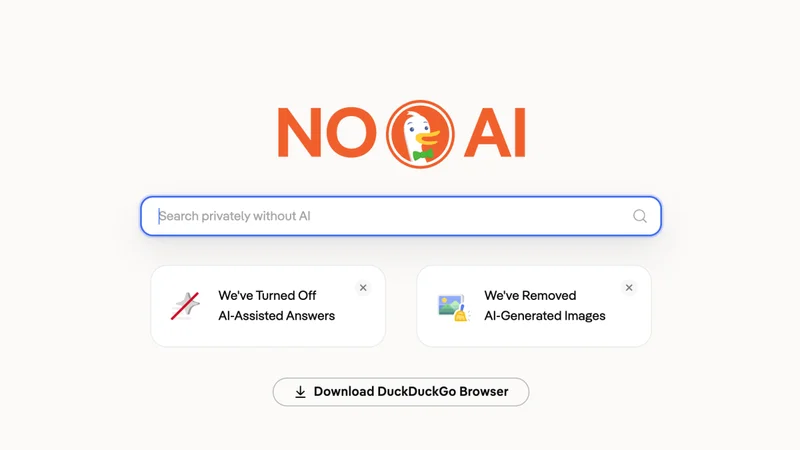
Image: TechCrunch AI
Main Takeaway
Google will let schools disable Gemini while retaining Search, but schools that block broader AI features risk losing access to Google’s search tools.
Jump to Key PointsSummary
Google redraws the school AI choice
Google’s revised policy gives K-12 schools a narrower choice than its initial rollout implied: administrators can disable Gemini while keeping Google Search, but broader rejection of Google’s AI features remains tied to search access. The change follows a sharp backlash from educators, parents, and school technology officials who viewed search as a basic educational service rather than an optional AI bundle.
The policy matters because Google’s classroom software and search tools are deeply embedded in school systems. Administrators now have to separate Gemini, Google’s generative AI assistant, from other AI functions that Google is folding into Search. Ars Technica described the result as technical flexibility without the practical choice many schools requested. CNN, CNBC, CBS News, The Atlantic, and The Associated Press all framed the dispute around the same pressure point: schools seeking to restrict AI risk losing a familiar route to the web.
What schools can disable
Schools can turn off Gemini and continue using Google Search, according to Google’s clarification. The company’s position separates its named Gemini products from AI features built into search and other services, leaving schools with control over one layer of AI while retaining a platform that increasingly includes automated answers and other machine-generated functions.
That distinction has fueled the controversy. School leaders that want conventional links and tighter limits on generated content still face a policy boundary around the search experience itself. TechCrunch’s coverage described Google as allowing schools to shut off Gemini but charging a larger access cost when they seek to disable other AI tools. The Atlantic characterized the arrangement as putting a price on opting out, while AP reported the dispute as a restriction affecting K-12 access to search.
Why educators object
Educators object because the policy links two decisions that schools have traditionally managed separately: whether students can use a search engine and whether students can use generative AI. Search supports lesson planning, research, and ordinary classroom browsing, while generative tools raise separate concerns about academic integrity, age appropriateness, privacy, and student dependence on automated answers.
The backlash also reflects a question of control. Schools can write acceptable-use rules, block applications, and restrict student accounts, but Google’s policy determines how much of the company’s AI layer remains attached to its core services. Coverage from CNBC, CBS News, CNN, and AP described the response as widespread outrage rather than a routine product-setting dispute. The Atlantic added a sharper interpretation: Google’s structure makes refusal carry a meaningful institutional cost.
DuckDuckGo sees an opening
DuckDuckGo is using the dispute to court schools that want search without Google’s AI entanglement. The privacy-focused search company is highlighting its limits on data collection and pointing educators toward options for disabling AI features, positioning itself as an alternative at a moment when school administrators are reassessing platform dependence.
The pitch gives DuckDuckGo a clear message: schools can choose a search provider based on privacy and administrative control rather than accept an all-or-nothing bundle. TechCrunch reported that the company moved quickly after Google’s policy created an opening, while Tom’s Guide framed DuckDuckGo’s response around the argument that schools do not need AI to search the web. The alternative still faces the practical challenge of replacing tools that schools already use, but Google has handed it a timely argument for procurement conversations.
A test of platform power
Google’s school policy turns an education setting into a test of platform power. The company controls both a widely used search service and a growing set of AI features layered onto that service, giving it influence over how schools define acceptable technology. Administrators now have to weigh familiar infrastructure against policies that tie access to the company’s preferred direction for AI.
The dispute also exposes a broader industry pattern. AI providers are placing assistants inside products that organizations already depend on, while customers are asking for granular controls over data, features, and student access. Google’s clarification reduces the immediate threat of losing Search when a school disables Gemini, but it leaves the larger boundary unresolved: whether customers can refuse embedded AI without abandoning the underlying service. That question will shape contracts, filtering policies, and rival search offerings.
What happens next
Schools will likely focus on precise definitions of “AI tools” as they evaluate Google’s settings. Disabling Gemini may satisfy administrators who want to block a standalone assistant, while schools seeking a search experience without automated features will need to examine Google’s technical and contractual options more closely.
Google faces pressure to clarify the policy in terms school technology teams can implement without interpreting product language. DuckDuckGo has an immediate chance to turn privacy and feature control into a stronger education proposition. The central dispute will continue beyond Gemini: schools want search access as a basic utility, and Google’s policy makes the terms of that access part of the AI debate.
Key Points
Google lets K-12 schools disable Gemini while retaining Search, but broader AI restrictions remain tied to access.
DuckDuckGo is courting schools with privacy controls and search options that avoid Google’s AI integration.
Educators object to linking basic web search with generative AI decisions for students and classrooms.
Google’s clarification narrows the immediate policy impact but leaves embedded AI controls unresolved.
The dispute gives alternative search providers an opening in education technology procurement and privacy debates.
Questions Answered
Google allows schools to disable Gemini while retaining Google Search. Schools seeking to block broader AI features face separate restrictions tied to Google’s search services.
Schools are protesting Google’s AI policy because it links ordinary search access with decisions about generative AI. Educators want separate controls for research tools, student privacy, academic integrity, and automated answers.
Google is not removing Search from every school that disables AI. Its clarification says schools can turn off Gemini and keep Search, while broader restrictions on Google’s AI features create a separate access problem.
DuckDuckGo is courting schools that want search without Google’s AI features. The company is emphasizing privacy, limited data collection, and controls for disabling AI functions.
Schools will need to review which Google AI features their administrators can disable and whether those settings preserve the search experience they require. They will also weigh alternative providers such as DuckDuckGo against existing Google Workspace contracts and workflows.
Source Reliability
78% of sources are highly trusted · Avg reliability: 83
Go deeper with Organic Intel
Simple AI systems for your life, work, and business. Each one includes copyable prompts, guides, and downloadable resources.
Explore Systems