Democratic Midterm Gains Put AI Expansion, Data Centers and Big Tech Under New Political Pressure

Image: The Verge AI
Main Takeaway
Democratic victories and 38 of 44 data-center restrictions on state ballots signal a broadening voter backlash against AI infrastructure and Big Tech.
Jump to Key PointsSummary
A blue wave reaches AI
Democratic victories in the 2026 midterm elections have turned opposition to AI expansion and data-center growth into a national political force. The shift includes control of both chambers of Congress, gains in traditionally Republican and swing states, and gubernatorial breakthroughs in Georgia and New Mexico. The Verge described the result as a “total repudiation” from candidates who campaigned against the technology sector’s rapid expansion.
AI companies now face a group of elected officials with a direct mandate to scrutinize data centers, energy use, water consumption, labor disruption and the social effects of automated systems. The result gives opponents more influence over permits, utility policy and federal technology rules at a moment when the Trump administration has pushed an accelerated domestic AI buildout.
Voters target infrastructure
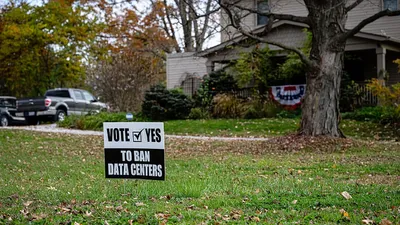
Data centers were among the clearest midterm casualties. Of 44 ballot measures across 10 states that sought to restrict data-center development, 38 had passed, according to Redbud Consulting’s tracking cited by Ars Technica. The measures reflect local fights over electricity demand, water use, tax incentives, land consumption and the strain that large computing facilities can place on nearby communities.
The results give local officials a stronger negotiating position with technology companies and utilities. Data-center projects often arrive as major investments, but voters increasingly judge them against household power bills, scarce water supplies and the number of permanent jobs they create. Coverage from WTNH and CNBC also framed data centers as part of a wider backlash involving AI and social media, rather than as an isolated zoning dispute.
Big Tech disputes the message
Technology executives and investors are resisting the conclusion that voters rejected the industry itself. The argument circulating among Big Tech supporters is that the election represented an anti-Trump reaction, with AI and data-center restrictions serving as a vehicle for broader political opposition. Ars Technica characterized that response as denial in the face of votes favoring tighter limits.
Politico’s reporting on Big Tech’s financial backers points to another tension: investors and major donors remain committed to AI spending even as public resistance grows. That gap between capital markets and local electorates creates a harder operating environment for companies. Projects can attract billions of dollars and still run into permitting delays, ballot campaigns or new restrictions after local residents organize against them.
Trust drives the backlash
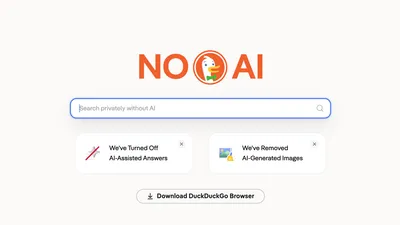
The opposition extends beyond power plants and server buildings. Public concern also touches AI-generated media, workplace automation, surveillance, social platforms and consumer devices such as AI glasses. Blood in the Machine described the movement as a broader mass opposition to Big Tech, while Medium framed the backlash as a crisis of trust and agency.
That framing helps explain why technical promises have not settled the political fight. Communities want control over how infrastructure changes their neighborhoods, workers want a say in automation, and users want clearer limits on systems that collect data or shape information. The election results connect those demands under a common complaint: technology companies are making decisions at a scale that voters feel they can't influence.
The policy fight moves closer
The new political balance will bring AI debates into permitting offices, statehouses and Congress. Restrictions on data centers can slow construction directly, while broader rules on energy, water, tax incentives and environmental review can raise project costs or alter where companies build. Democratic candidates who campaigned on these issues now have pressure to turn campaign messages into enforceable policy.
The consequences reach the largest AI developers and their infrastructure partners. Microsoft, Google and Meta operate or finance major computing capacity, while Nvidia supplies the chips that fill those facilities. OpenAI and other model developers depend on access to that infrastructure, so a slower buildout affects training schedules, service expansion and regional investment plans.
What companies face next
AI companies will need stronger local engagement, clearer economic commitments and more evidence that projects benefit host communities. The election results don't end the AI buildout, but they raise the political and financial cost of treating community resistance as a temporary communications problem.
The next test will come as newly elected officials decide whether to impose broad restrictions, demand concessions from developers or support carefully regulated construction. Investors may continue funding AI at historic levels, yet the route from capital to operating data center now runs through voters who have shown they can stop projects.
Key Points
Democratic victories put AI expansion and data-center development under stronger federal and state scrutiny.
Voters approved 38 of 44 ballot measures seeking restrictions on data-center projects across 10 states.
Big Tech investors dispute that the election represented a broad rejection of technology companies.
Communities are linking AI infrastructure to electricity costs, water use, automation and loss of local control.
Microsoft, Google, Meta, OpenAI and Nvidia face higher political and permitting risks from expansion plans.
Questions Answered
The 2026 midterm elections gave AI companies a more restrictive political environment. Democratic victories and successful data-center ballot measures increased pressure on companies to address energy use, water consumption, permitting and community concerns.
Redbud Consulting tracked 38 successful data-center restriction measures out of 44 across 10 states. The measures addressed development issues including electricity demand, water use, land use and tax incentives.
Voters are opposing AI data centers over concerns about power demand, water consumption, environmental effects, tax subsidies and limited permanent employment. Many communities also want greater control over infrastructure decisions affecting their neighborhoods.
The election results contain both political and technology-related opposition, but the data-center votes show a direct challenge to AI infrastructure. Big Tech supporters describe the backlash as anti-Trump, while critics point to repeated votes for tighter limits on technology projects.
Microsoft, Google and Nvidia face more scrutiny as AI infrastructure expands. Developers and chip suppliers will need to manage stricter permitting, higher project costs and demands for clearer benefits to host communities.
Source Reliability
40% of sources are highly trusted · Avg reliability: 67
Go deeper with Organic Intel
Simple AI systems for your life, work, and business. Each one includes copyable prompts, guides, and downloadable resources.
Explore Systems