Trump’s Midterm Defeat Forces CEOs to Rethink Political Risk, Policy Access and the $5,000 Dividend Promise
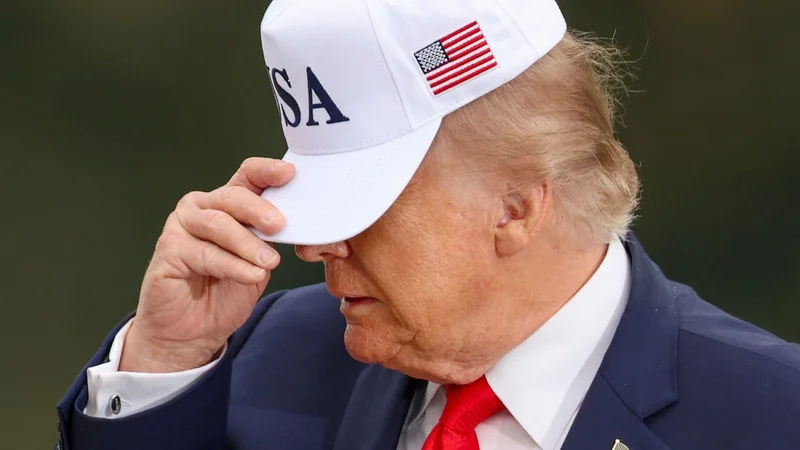
Image: Fortune AI
Main Takeaway
Democrats’ takeover of both congressional chambers is forcing CEOs to rethink Trump-era political risk as his $5,000 adult dividend pledge loses its legislative path.
Jump to Key PointsSummary
The election resets Washington’s balance
Democrats’ capture of both the House and Senate gives CEOs a new political operating environment beginning in January. Republicans entered Election Day with a 53-47 Senate majority and a 219-214 House majority, but Democrats flipped at least 6 Senate seats and won control of the House, NBC News projected in coverage summarized by Fortune. The result marks the first time in Trump’s second term that Democrats will control Congress.
The vote carried economic and institutional meaning at the same time. Fortune described strong turnout as a rejection of the administration’s record on the economy and a sign of public concern about democracy, while its election briefing called the result only the third time in 50 years that one party lost both chambers at once. Trump said he would accept the midterm results, but the political defeat does not remove his veto power or end his administration’s influence over regulation, trade and executive action.
CEOs lose a predictable legislative ally
Corporate leaders now face divided government, making congressional approval harder for major tax, trade, spending and regulatory initiatives. Democratic control gives the opposition authority over investigations, hearings and Trump’s nominees, while the president retains the veto, according to Fortune’s election coverage and the account summarized by The New Jersey Star-Ledger.
That balance changes the value of political access. CEOs who built relationships around a unified Republican Congress will need separate strategies for the White House, Democratic committee chairs and moderate lawmakers whose votes can determine whether legislation advances. The new playbook favors issue-by-issue coalitions, careful public positioning and closer scrutiny of executive actions that can move faster than legislation. The Hill’s account of backlash over Trump’s dividend pledge also points to a more difficult environment for ambitious promises that lack clear congressional support.
The $5,000 promise runs into arithmetic
Trump’s proposed $5,000 payment to every U.S. adult lost its clearest legislative route after Republicans lost both chambers. The pledge was tied to Republican success in the midterms, and Democrats’ victory means taxpayers will not face an immediate congressional push to fund it, Fortune reported.
The proposal also faced a basic financing problem. Coverage from Yahoo Finance characterized the payout as extraordinarily expensive, while PBS examined how such a dividend might work and raised questions about its funding mechanism. Other accounts, including CBS Austin and Fox Business, described mixed reactions to the promise. The scale, eligibility rules and revenue source would all require decisions from Congress, and the new Democratic majority gives the plan no obvious path around opposition.
Markets may welcome the check on power
Investors responded positively to the election’s political clarity, with Fortune describing stock markets as celebrating a “stunning rebuke.” The immediate market reaction reflects expectations that unified Democratic control will constrain some of Trump’s more aggressive economic proposals, including the dividend plan, even as the administration retains executive authority.
For companies, the result brings both relief and fresh uncertainty. A Democratic Congress can intensify oversight of the administration, slow nominees and challenge policy through hearings and investigations, but it cannot simply reverse executive actions without legislation or presidential cooperation. Businesses exposed to tariffs, immigration rules, energy policy or federal contracting will still need direct monitoring of the White House. The post-election signal is less about a clean policy reversal than a sharper contest among institutions.
The new corporate playbook
CEOs should treat the midterms as a shift from access-based politics to coalition-based politics. That means mapping Democratic committee leadership, identifying bipartisan positions, and separating durable business priorities from proposals tied closely to Trump’s personal agenda. The result also raises the cost of public political bets, since a company aligned too visibly with one side could face scrutiny from a newly empowered opposition party.
The election’s scale makes this adjustment urgent. Fortune reported record campaign spending and described the vote as both an economic judgment and a test of democratic confidence. Trump’s promise to accept the outcome creates a formal transition point, while the pledge’s collapse shows how quickly an executive promise can lose momentum when congressional control changes. Companies should expect hearings, nomination fights and negotiations to shape the next policy cycle as much as White House announcements do.
What happens when Congress reconvenes
Democrats will take control in January, with immediate authority over investigations, committee agendas and Trump’s nominees. The $5,000 adult dividend will face its first major test in that environment, and the administration will have to decide whether to abandon, revise or continue promoting a proposal that no longer has a supportive Congress.
The broader business question is whether Trump responds to defeat by moderating policy or intensifying executive action. Fortune’s election briefing warned that a loss would not necessarily chasten him, while the AP, PBS and The Guardian coverage around the dividend promise shows how closely policy claims are now tied to political messaging. CEOs should prepare for a more confrontational Washington, where legislative gridlock and executive action operate side by side.
Key Points
Democrats’ congressional takeover forces CEOs to rethink lobbying, regulatory risk and political alliances under Trump.
Trump’s proposed $5,000 adult dividend lost its clearest legislative path after Republicans surrendered both chambers.
Democratic control brings investigations, committee power and greater influence over Trump’s presidential nominees.
Markets welcomed a congressional check on Trump, while businesses still face uncertainty over executive policy.
CEOs must build bipartisan coalitions as divided government replaces unified Republican control in Washington.
Questions Answered
Democrats won control of both the House and Senate in the 2026 midterm elections. Republicans had held a 53-47 Senate majority and a 219-214 House majority before the vote.
The result changes how CEOs must manage political and regulatory risk under Donald Trump. Democrats will control investigations, committee agendas and presidential nominations, while Trump retains executive authority and the veto.
Donald Trump’s $5,000 adult dividend promise lost its clearest legislative path after Democrats won both congressional chambers. The proposal also faces major questions about its cost, eligibility rules and funding source.
Donald Trump cannot establish the proposed nationwide $5,000 payments without congressional action and funding decisions. Democratic control makes approval more difficult and gives opponents authority over the legislative process.
Companies should build bipartisan relationships and track Democratic committee leadership alongside the White House. They also need contingency plans for executive actions involving trade, energy, immigration and federal contracting.
Source Reliability
64% of sources are trusted · Avg reliability: 78
Go deeper with Organic Intel
Simple AI systems for your life, work, and business. Each one includes copyable prompts, guides, and downloadable resources.
Explore Systems