Google's Gemini Spark Delivers on Demo Hype but Raises Privacy and Cost Concerns
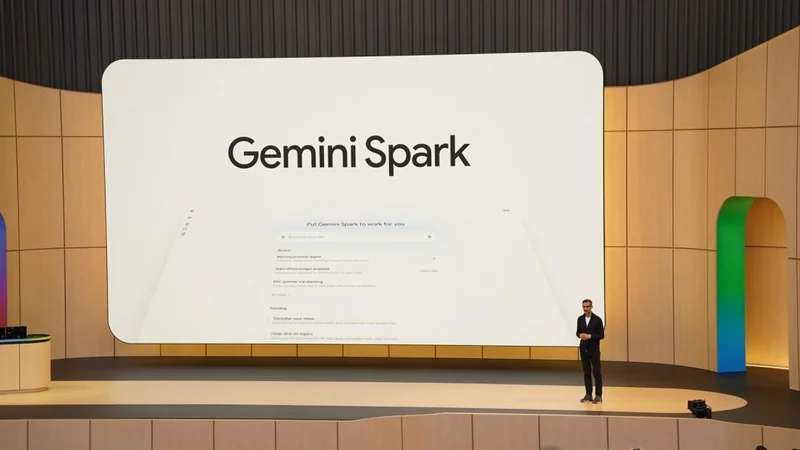
Image: The Verge AI
Main Takeaway
Gemini Spark matches Google's ambitious demo claims for multi-step task automation, though reviewers cite steep pricing and unsettling privacy tradeoffs.
Jump to Key PointsSummary
What Spark actually does
Google bills Gemini Spark as a 24/7 AI agent that handles multi-step tasks while users walk away from their devices. The Verge's David Pierce tested the agent and found it shockingly capable at executing complex workflows, from trip planning that goes beyond generic tourist recommendations to handling genuine multi-app interactions. Google advertises Spark as always under user direction, requiring explicit activation, and checking before major actions.
The agent operates in the background, continuing work after a user puts their phone down or closes their laptop. This represents a shift from reactive chatbot interactions to proactive task completion. According to Google's marketing, users choose when to turn Spark on, and the system is designed to request confirmation before committing significant actions.
The hands-on experience suggests the technology has moved past the demo-trap that has plagued AI products, where slick presentations fail to match real-world performance.
Why the trip planning impressed reviewers
AI trip planning has been a promised killer use case for four years, but previous tools delivered only the six most obvious activities in any city. Pierce's experience with Spark broke that pattern. The agent reportedly searched travel options, researched local activities, checked hotspot availability, and produced a genuinely useful itinerary rather than generic suggestions.
This matters because it demonstrates agentic behavior rather than simple retrieval. Spark appears to chain together searches, comparisons, and bookings across multiple services without requiring step-by-step human guidance. The improvement from prior AI travel tools suggests Google's integration work with external apps is yielding functional results, not just impressive screenshots.
The privacy anxiety underneath the capability
Despite the technical achievement, Pierce described Spark as the most impressive and terrifying AI experience he has encountered. Google's prominent disclaimers about user control read as defensive positioning against mounting public skepticism toward autonomous AI systems. The phrase about the agent being designed to check before major actions implies there are non-major actions it can take independently.
The creep factor Pierce identified stems from an always-on system with broad access to personal accounts and the ability to act without real-time supervision. Google explicitly addresses this concern on the Spark website, suggesting the company recognizes trust remains a significant barrier to adoption. The tension between utility and surveillance is unresolved.
What the pricing means for mainstream adoption
Pierce explicitly questioned whether Spark justifies its financial cost, indicating Google has attached a premium price tag to the service. This pricing strategy creates a potential adoption barrier even for users impressed by the technology. The cost-benefit calculation becomes more complicated when factoring in the privacy tradeoffs of granting an AI agent persistent access to personal data and accounts.
Google's decision to charge substantially for Spark reflects the compute intensity of running persistent background agents. The pricing also signals confidence that the capability differential versus standard AI assistants justifies the premium. Whether mainstream users agree remains an open question that will determine if Spark becomes a mass product or a niche power-user tool.
How Spark changes the competitive landscape
Gemini Spark enters a market where OpenAI, Anthropic, and Microsoft have all promised agentic AI but delivered limited persistent task execution. Google's implementation appears to have leapfrogged competitors in practical capability, at least based on initial hands-on testing. The integration with external apps through what Google intends as a universal interface positions Spark as an operating system layer rather than a chatbot feature.
This pressure forces rivals to accelerate their own agent releases. Microsoft's Copilot, OpenAI's Operator, and Anthropic's computer use features all face comparison against Spark's demonstrated performance. The competitive dynamics will intensify as these companies respond with their own persistent agent offerings, likely within the current product cycle.
What happens next for autonomous AI
Google's launch of Spark represents a concrete step toward the long-promised future of AI agents that handle mundane tasks without constant supervision. The technology appears to have crossed a threshold from impressive demo to genuinely useful tool, albeit one with significant caveats. The coming months will test whether users accept the privacy and cost tradeoffs in exchange for convenience.
Regulatory attention seems inevitable as autonomous AI agents gain real transaction authority. Google's careful framing around user control and confirmation requirements suggests preemptive compliance positioning. The broader industry will watch Spark's adoption patterns to calibrate their own agent strategies, making this launch a significant data point for the direction of consumer AI.
Key Points
Gemini Spark executes complex multi-step tasks while users are away from devices
Hands-on reviews confirm capabilities match Google's ambitious demo claims
Premium pricing raises questions about mainstream adoption potential
Privacy and surveillance concerns persist despite built-in safeguards
Launch pressures OpenAI, Microsoft, and Anthropic to accelerate agent releases
Questions Answered
Spark works persistently in the background after users activate it, continuing tasks across multiple apps without requiring step-by-step supervision, unlike chatbots that need ongoing interaction.
Google has not publicly disclosed exact pricing, but reviewers describe it as a premium service with significant financial cost that may limit adoption for mainstream users.
Google states Spark checks before major actions, but can take non-major actions independently, which creates the persistent tension between convenience and control that reviewers found unsettling.
OpenAI's Operator, Microsoft's Copilot with agent features, and Anthropic's computer use capabilities are the primary competitors, though Spark appears to lead in persistent multi-app task execution based on initial reviews.
Google has provided early access to select reviewers and appears to be in a limited rollout phase, with broader availability timing not yet announced.
Source Reliability
50% of sources are highly trusted · Avg reliability: 73
Go deeper with Organic Intel
Simple AI systems for your life, work, and business. Each one includes copyable prompts, guides, and downloadable resources.
Explore Systems