Google Commits €13 Billion to Finnish AI Infrastructure, Data Centers and Nuclear Power
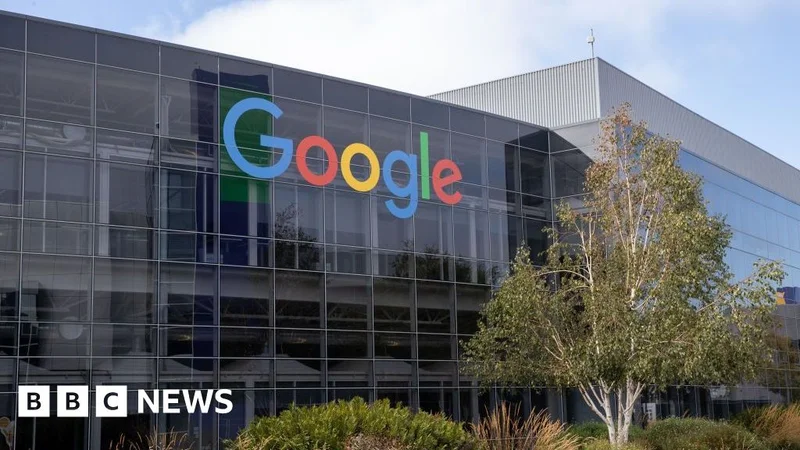
Image: Bbc
Main Takeaway
Google will invest at least €13 billion in Finland through 2028, building data centers and securing nuclear power as demand for AI services grows.
Jump to Key PointsSummary
Google’s largest European investment
Google plans to invest at least €13 billion in Finland during 2027 and 2028, making the project the company’s largest single investment in Europe. The spending will expand the country’s data-center capacity and support the computing demand behind services including Search, Maps and Gemini.
The program combines 3 new data centers with an expansion of Google’s existing facility in Hamina, a southeastern Finnish city. Facilities will span 4 municipalities: Hamina, Kajaani, Muhos and Vaala. Google announced the commitment on September 9, while Reuters, Bloomberg and the BBC provided matching details on its scale and timing.
Four locations anchor the buildout
The Finnish project will distribute Google’s infrastructure across Hamina, Kajaani, Muhos and Vaala, giving the company a larger national footprint than its existing Hamina operation. The Hamina site occupies a former paper mill that Google converted into a data center 15 years ago, establishing Finland as an established base rather than a new market entry.
The new capacity is designed for AI workloads alongside Google’s broader cloud and consumer services. The investment also includes related digital infrastructure and energy projects, with funds directed toward biodiversity, education, research and workforce development. Euronews identified the 4 municipalities, while Google described the wider economic and environmental commitments in its announcement.
Nuclear power secures long-term supply
Google has signed a 22-year agreement to purchase up to 50% of the electricity generated by one of Finland’s 2 nuclear power plants. The contract, arranged with operator Fortum, is Google’s first nuclear power agreement outside the United States, according to Reuters and the BBC.
The power deal links the data-center expansion to Finland’s electricity system and gives Google a long-duration supply arrangement for energy-intensive computing. Finland’s appeal also includes relatively inexpensive power and a cool climate, which reduces the burden of cooling servers. The nuclear agreement sits alongside Google’s stated support for clean-energy projects, making electricity procurement a central part of the investment rather than a separate utility decision.
Finland’s data-center bid gains force
Google’s commitment strengthens Finland’s position as a major European data-center destination. The country offers cooler weather, access to power and an existing technology infrastructure base, while its location provides a European platform for cloud and AI services. Google’s decision follows years of operation at Hamina and expands that presence into 3 additional municipalities.
Microsoft and TikTok are also investing in Finnish data-center capacity, with combined commitments cited by Fortune at more than $30.2 billion when Google’s project is included. That activity shows how hyperscalers are competing for sites, electricity and public support across Europe. The competition also places pressure on Finland to manage grid demand, construction, land use and the distribution of economic benefits.
Jobs and regional development
Google says the construction and operation of the projects will create tens of thousands of jobs, although the announcements do not provide a detailed breakdown between temporary construction work and permanent technical roles. The company has paired the infrastructure spending with economic partnerships, education, research and workforce-development funding.
That package gives Finnish municipalities a broader stake in the buildout than tax revenue alone. Data centers bring construction activity and highly skilled jobs, but they also consume substantial electricity and require grid upgrades. The nuclear purchase and planned clean-energy investments therefore carry significance for both Google’s operating costs and local debates over infrastructure, environmental protection and regional development.
What happens through 2028
Google’s next phase is scheduled for 2027 and 2028, when construction, site expansion and energy arrangements will determine how quickly the promised capacity comes online. The company’s stated goal is to meet growing demand for core digital services and AI products, while Finnish authorities and communities will focus on jobs, power use and environmental commitments.
The project also raises the competitive stakes for other cloud providers. Google is securing computing capacity and electricity at a time when AI services are driving data-center demand across Europe. Its Finnish strategy combines physical facilities, long-term power procurement and regional programs, creating a model that competitors will watch as they plan their own infrastructure investments.
Key Points
Google will invest at least €13 billion in Finnish AI infrastructure through 2028.
Google’s Finnish project includes 3 new data centers and an expanded Hamina facility.
Google signed a 22-year contract for up to 50% of a Finnish nuclear plant’s output.
Finland’s cool climate, power supply and existing infrastructure attract hyperscale data-center investment.
Google says the investment will create tens of thousands of jobs across Finland.
Questions Answered
Google is investing at least €13 billion in Finland through 2028. The money will fund data centers, energy projects and related regional initiatives.
Google will operate or expand facilities in Hamina, Kajaani, Muhos and Vaala. The plan includes 3 new data centers and an expansion of the existing Hamina site.
Google is buying nuclear power to secure electricity for energy-intensive AI and cloud infrastructure. Its 22-year agreement with Fortum covers up to 50% of one Finnish nuclear plant’s output.
Google says the investment will create tens of thousands of jobs. The announcement does not break that figure into construction, permanent data-center and indirect roles.
Google is scheduled to deploy the investment during 2027 and 2028. Construction, the Hamina expansion, energy procurement and regional programs will define the next phase.
Source Reliability
46% of sources are highly trusted · Avg reliability: 69
Go deeper with Organic Intel
Simple AI systems for your life, work, and business. Each one includes copyable prompts, guides, and downloadable resources.
Explore Systems