Apple's AI Glasses Coming 2027 With Four Styles to Battle Meta Ray-Bans
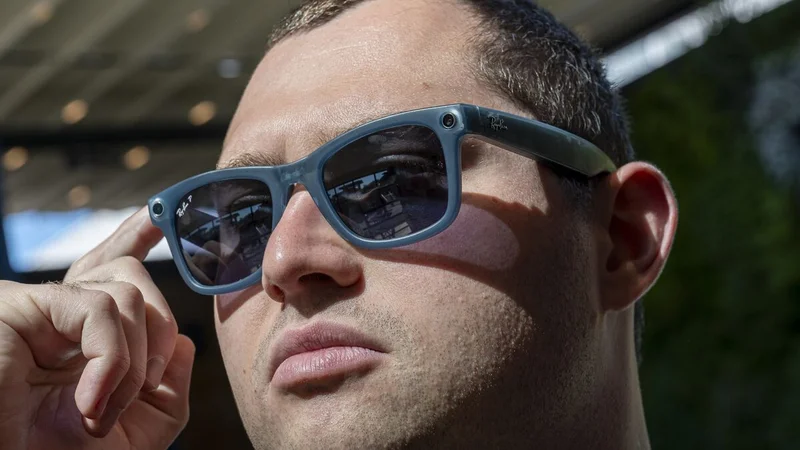
Image: Bloomberg AI
Main Takeaway
Apple plans 2027 launch of AI-powered smart glasses in four frame styles and three colors, directly challenging Meta's Ray-Ban partnership with.
Summary
How the glasses will actually look
Apple is testing four distinct frame designs for its first smart glasses, according to Bloomberg's Mark Gurman. The lineup includes a large rectangular frame, a slimmer rectangular option (reportedly similar to CEO Tim Cook's personal glasses), plus larger and smaller oval or circular frames. Color choices will span classic black, ocean blue, and light brown. These aren't the sleek AR displays many expected — they're deliberately closer to normal eyewear, positioning Apple as Meta's direct competitor in the growing smart glasses market.
Why Apple pivoted from full AR to simple smart glasses
The scaled-back approach marks a strategic retreat from Apple's original vision of launching multiple mixed reality devices. After the Vision Pro's disappointing sales and production cuts, the company has sanded down its ambitions to focus on what actually sells: glasses that look normal but pack subtle AI features. This mirrors Meta's successful Ray-Ban formula — no displays, just cameras, audio, and voice control. The move suggests Apple learned from watching Meta ship 700,000+ Ray-Ban Smart Glasses in 2025 while their own Vision Pro struggled to move 100,000 units.
What these glasses will actually do
Functionally, they'll behave like Meta's Ray-Bans with an Apple twist. Users can snap photos and videos through oval camera lenses discreetly embedded in the frames, take calls, stream music, and interact with Siri's long-delayed upgrade. Unlike Meta's partnership approach with Ray-Ban, Apple will manufacture these entirely in-house under their own brand. The lack of displays keeps costs down — expect pricing around $499-599 versus the Vision Pro's $3,499 — while avoiding the social awkwardness that killed Google Glass.
The timing and launch strategy
Apple's targeting a late 2026 unveiling with retail availability in 2027, giving them a full year to refine the designs based on testing feedback. This timeline positions them against Meta's third-generation Ray-Ban glasses, expected mid-2027. The staggered rollout across four styles lets Apple test consumer preferences without betting everything on a single design — smart given how personal eyewear choices are. Some styles might launch earlier than others, with the oval frames likely hitting shelves first.
Impact on the broader wearables market
This isn't just about glasses — it's Apple conceding that ambient computing beats immersive computing for mainstream adoption. By choosing to compete directly with Meta instead of leapfrogging them, Apple validates the Ray-Ban approach as the winning formula. Expect Google to revive their Glass efforts, Amazon to push harder on Echo Frames, and Samsung to finally ship their long-rumored Galaxy Glasses. The market for AI wearables could hit $15B by 2028, and Apple's entry guarantees every major tech company will need an answer.
What this means for developers and the ecosystem
With no displays, developers won't build AR apps — they'll create voice-first experiences and camera-based AI features. Think visual search that identifies objects through the glasses' cameras, real-time translation overlaying audio directly into your ears, or Siri finally becoming contextually aware of your surroundings. The Siri upgrade delays become more critical since these glasses depend entirely on voice interaction. Expect a new wave of audio-first apps optimized for hands-free use.
Key Points
Apple testing four frame designs for 2027 smart glasses launch, including rectangular and oval options in three colors
Glasses skip AR displays entirely, focusing on cameras, audio, and Siri integration like Meta's Ray-Ban partnership
Strategic retreat from original mixed reality ambitions after Vision Pro's disappointing market reception
Expected pricing around $499-599 versus Vision Pro's $3,499, targeting mainstream adoption
Direct competition with Meta's third-generation Ray-Ban glasses scheduled for mid-2027
FAQs
Apple is targeting retail availability in 2027, following a late 2026 unveiling event. The exact month isn't specified yet, but expect a similar launch pattern to other Apple products — announcement in fall 2026 with pre-orders opening shortly after.
These glasses are dramatically simpler — no displays, no mixed reality features, just cameras, speakers, and Siri integration. Think of them as Meta Ray-Ban competitors rather than AR headsets. They're designed to look like normal glasses while adding smart features.
Probably not. Apple typically tests multiple designs before selecting favorites. The oval frames appear most likely to ship first, with rectangular options potentially following based on consumer response and manufacturing capacity.
Based on Meta's Ray-Ban pricing ($299-379) and Apple's premium positioning, expect $499-599. This positions them as premium but accessible compared to the Vision Pro's $3,499 price tag.
While not explicitly confirmed, Apple's partnership with Zeiss for Vision Pro prescription inserts suggests they'll offer prescription options. The oval frame designs would accommodate most prescription lens shapes.
Apple's competing on ecosystem integration — seamless iPhone connectivity, superior Siri integration, and Apple's privacy reputation. They'll likely undercut Meta on features while matching on style, banking on the Apple brand's premium appeal.
Source Reliability
62% of sources are trusted · Avg reliability: 75
Go deeper with Organic Intel
Our AI for Your Business systems give you practical, step-by-step guides based on stories like this.
Explore ai for your business systems