Nvidia CEO Defends DLSS 5: Gamers Are 'Completely Wrong'
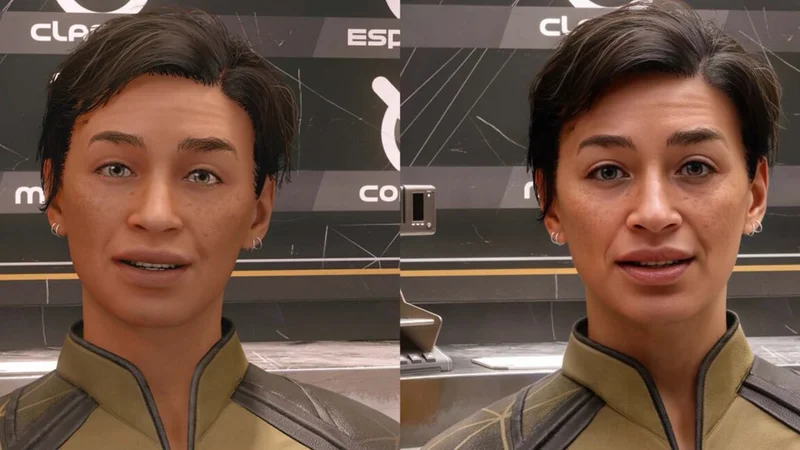
Image: Ars Technica AI
Main Takeaway
Jensen Huang calls gamer backlash 'completely wrong' after DLSS 5's AI scene re-lighting faces dev skepticism and player revolt.
Summary
What exactly is DLSS 5 and why are people furious?
DLSS 5 adds generative AI scene re-lighting to Nvidia's upscaling toolkit, automatically enhancing lighting, shadows, and atmosphere in ways that can feel uncanny or artistically off-brand. Gamers flooded social media calling it "AI slop" after Nvidia's GTC reveal, comparing the effect to Instagram filters slapped onto carefully crafted worlds. The backlash was immediate and loud enough that Huang felt compelled to respond on a Monday podcast, framing the feature as optional and artist-guided rather than an algorithmic takeover.
What did Jensen Huang say to calm the storm?
Huang told listeners gamers are "completely wrong" about DLSS 5, arguing they conflate the technology with generic AI slop. He emphasized that developers retain full control: "If game makers don't like it, they could decide not to use it, you know?" The CEO positioned the feature as a creative tool, similar to HDR or ray tracing, that artists can dial up or down rather than a mandatory filter. His tone struck some observers as dismissive of legitimate artistic concerns while acknowledging that adoption remains voluntary.
How are game developers actually reacting?
Interviews with more than a dozen studios reveal a split but predominantly negative reception. Kotaku spoke to devs who called the tech "soulless" and "a solution in search of a problem," while PC Gamer found mixed reactions ranging from cautious curiosity to outright rejection. Artists worry the AI's lighting choices override intentional mood-setting, and technical directors fret about QA complexity when scenes shift unpredictably. Several indie studios told IGN they'll disable DLSS 5 entirely rather than risk artistic compromise, though larger publishers haven't ruled out selective use for performance gains.
Could DLSS 5 still become the new normal?
Despite current resistance, history suggests DLSS 5 could follow the path of earlier controversial graphics tech. Wired notes that real-time ray tracing faced similar backlash in 2018 before becoming a flagship feature, and DLSS 1.0 was widely panned until iterative improvements won converts. Nvidia's market dominance gives it leverage: if DLSS 5 becomes a checkbox for high-end PC ports, studios may adopt it quietly even if artists grumble. The feature's opt-in nature provides cover for gradual acceptance, though widespread gamer revolt could pressure publishers to keep it off by default.
What's at stake for Nvidia and the broader industry?
DLSS 5 tests Nvidia's ability to push AI beyond performance into creative territory without alienating both creators and consumers. Success would cement AI as a co-author of visual experiences, opening new licensing revenue and locking developers deeper into the CUDA ecosystem. Failure risks a rare public relations stumble that emboldens AMD and Intel to market "artist-first" alternatives. Long-term, the controversy signals growing tension between algorithmic efficiency and human authorship in digital media—a debate that will only intensify as generative tools become more powerful and pervasive.
What happens next for gamers and developers?
Expect a quiet rollout in a handful of AAA titles this fall, likely buried in graphics menus and off by default. Early adopters will test community sentiment while Nvidia gathers telemetry to sand down rough edges. Modders are already circulating disable patches, and some esports leagues may ban DLSS 5 to preserve competitive consistency. For developers, the next year becomes a careful balancing act: leverage AI performance gains without triggering the backlash that greeted DLSS 5's heavy-handed debut. The ball is in studios' courts, and their choices will shape whether Huang's gamble pays off or marks a rare Nvidia misstep.
Key Points
DLSS 5 adds AI-powered scene re-lighting that automatically enhances lighting and atmosphere, sparking immediate backlash from gamers and developers
Nvidia CEO Jensen Huang dismissed criticism as "completely wrong" while emphasizing the feature remains optional and artist-controlled
Interviews with game developers show predominantly negative reception, with concerns about AI overriding intentional artistic choices
Despite current resistance, historical precedent suggests controversial graphics tech often eventually gains mainstream acceptance
Nvidia faces strategic risk if the feature fails, but success could establish AI as creative co-author and strengthen ecosystem lock-in
FAQs
Yes. According to Jensen Huang, game makers have full control and "could decide not to use it" entirely, making adoption voluntary rather than mandatory.
DLSS 5 uses generative AI to automatically enhance lighting, shadows, and atmospheric effects in ways that can feel uncanny or override the original artistic intent, leading to comparisons with Instagram filters.
Current reporting shows mixed but predominantly negative reception. Some indie studios told outlets they'll disable it entirely, while larger publishers haven't committed either way and are taking a wait-and-see approach.
Similar to early real-time ray tracing and DLSS 1.0, which faced initial backlash before gaining acceptance, though the artistic override aspect makes DLSS 5 more controversial than pure performance features.
The feature will likely be off by default in most titles, and modders are already working on disable patches. Individual games should provide clear menu options to toggle the feature.
Potentially. While Nvidia dominates the high-end GPU market, sustained developer and gamer backlash could provide openings for AMD or Intel to market competing solutions that emphasize artist-first approaches.
Source Reliability
75% of sources are trusted · Avg reliability: 75
Go deeper with Organic Intel
Our AI for Your Business systems give you practical, step-by-step guides based on stories like this.
Explore ai for your business systems