Musk's Terafab: $20B Austin Megafab to Build AI Chips for Tesla, SpaceX, xAI
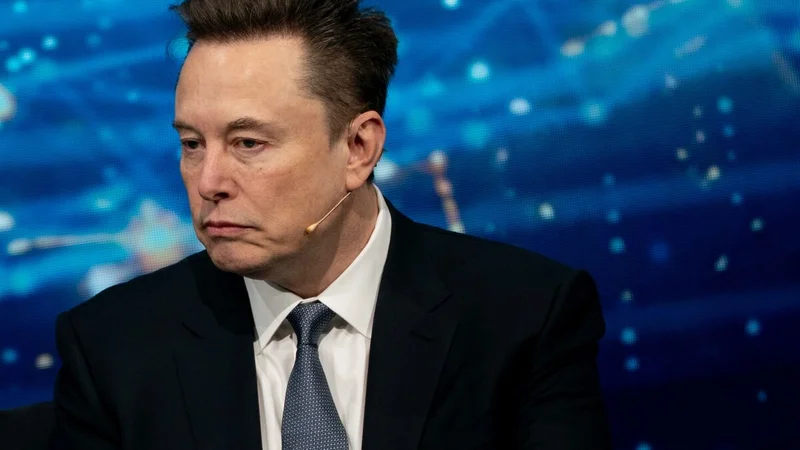
Image: Bloomberg AI
Main Takeaway
Elon Musk announces Terafab, a massive semiconductor plant in Austin to produce AI chips for Tesla robotaxis, SpaceX data centers, and xAI workloads.
Summary
What is Terafab and why is Musk building it?
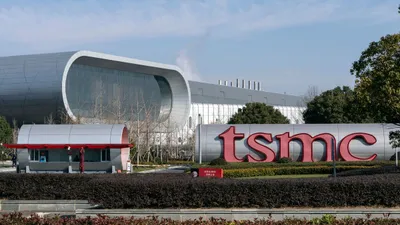
Terafab is Musk's proposed semiconductor megafab near Austin, Texas, designed to crank out one terawatt of AI, robotics, and space-grade silicon annually. According to TRT World, Musk claims Tesla and SpaceX's compute appetite will soon dwarf what global foundries can supply. The Verge reports the plant will be co-run by Tesla and SpaceX, with Bloomberg confirming xAI workloads will also get first dibs on output. Musk has zero prior fab experience, yet he's framing the project as existential for his empire of autonomous cars, humanoid bots, and orbital data centers.
How big is the scale and budget?
Teslarati puts the price tag at roughly $20 billion, making it one of the most expensive single-site builds in semiconductor history. The goal isn't modest gigawatts but a full terawatt of annual capacity, an order of magnitude above any existing AI-focused fab. Tomshardware reminds us Musk has been griping for months that outside foundries can't deliver the 100–200 billion dollars' worth of chips he says his companies need each year. That gap is what he's betting Terafab will close, starting with an on-site launch slated for March 21.
What makes this a 'Herculean' technical challenge?
Business Insider labels the undertaking "Herculean" for good reason. Leading-edge nodes require cleanrooms cleaner than a surgical theater, lithography machines that cost $200 million apiece, and yields that can swing wildly during early ramps. Musk has never mass-produced wafers, let alone bleeding-edge AI accelerators. Investors quotes BNP Paribas skeptics who argue no single company can shoulder both a terawatt-scale fab and Musk's parallel solar-cell gigafactory ambitions without tripping over capital intensity and talent shortages.
Who gets the chips first?
Internal customers get priority. Tesla will feed the silicon into Full Self-Driving computers and the Optimus humanoid robot fleet. SpaceX will use the chips for on-orbit data-center satellites already in FCC filings, noted by The Verge. xAI, Musk's year-old model shop, will likely consume the lion's share for training runs that currently rely on rented GPU clusters. No word yet on whether any wafers will be sold to outside buyers; for now this looks like vertical integration on steroids.
How does this reshape the chip industry?
If Terafab hits even half its target, it becomes the largest captive AI-chip plant on Earth, instantly shifting bargaining power away from TSMC, Samsung, and NVIDIA. The move pressures rivals like Google's TPU push and Amazon's Trainium to double down on their own silicon. It also signals that Musk sees the AI hardware stack as the new moat, not just software or data. Expect a talent war: Austin already hosts Samsung's new $17 billion logic fab, and Apple and AMD design centers, so poaching will be fierce.
What's the timeline and what happens next?
Musk tweeted "Terafab Project launches in 7 days" on March 15, pointing to a March 21 kickoff event. That probably means a ceremonial groundbreaking, not a functioning fab. Real production won't arrive until 2029 at the earliest given three-plus-year lead times for EUV tools and cleanroom fit-outs. Watch for early partnerships: Musk may still need TSMC or Samsung as process mentors, and Applied Materials or ASML as equipment suppliers. Regulators will also scrutinize any subsidies Texas offers, echoing the CHIPS Act drama in Arizona.
Key Points
Musk plans a $20 billion ‘Terafab’ semiconductor plant near Austin, targeting one terawatt of AI, robotics, and space-grade chips yearly.
Facility will be co-run by Tesla and SpaceX, with first output reserved for Tesla FSD, Optimus bots, SpaceX orbital data centers, and xAI training clusters.
Project announced via tweet with March 21 symbolic launch; actual production unlikely before 2029 due to three-year fab build cycles.
Musk cites unmet 100–200 B USD annual chip demand across his companies as primary motivation, claiming external foundries can’t scale fast enough.
Faces ‘Herculean’ technical hurdles: no prior fab experience, extreme capital intensity, and fierce competition for Austin semiconductor talent.
FAQs
Advanced AI accelerators, robotics chips, and radiation-hardened processors for use in Tesla vehicles, Optimus robots, SpaceX satellites, and xAI data centers.
Symbolic groundbreaking is March 21, 2026, but volume production is realistically 2029–2030 after cleanroom construction, equipment install, and yield ramp.
Terafab's one-terawatt annual target dwarfs any single AI-focused fab today, but it will be captive; TSMC and Samsung will still lead in merchant foundry capacity.
No public plans for merchant sales; initial output is reserved for Musk's internal ecosystem of Tesla, SpaceX, and xAI workloads.
Capital overruns, talent shortages, lithography tool delays, yield disasters, or subsidy clawbacks could all push timelines and budgets far beyond current estimates.
Source Reliability
45% of sources are trusted · Avg reliability: 76
Go deeper with Organic Intel
Our AI for Your Business systems give you practical, step-by-step guides based on stories like this.
Explore ai for your business systems