Apple’s iOS 27 Makes Siri Useful Again With Context-Aware AI and Deeper App Control
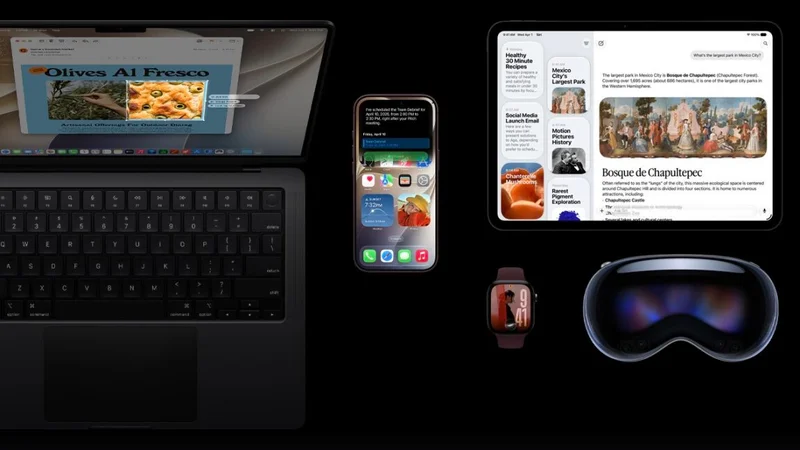
Image: Ars Technica AI
Main Takeaway
Apple’s iOS 27 gives Siri context awareness, screen understanding, and app interactions, turning a once-limited assistant into a tool for complex daily requests.
Jump to Key PointsSummary
Siri gets a second chance
Apple’s iOS 27 makes Siri the centerpiece of a broader software release, with a language-model-based assistant that handles natural-language requests, understands on-screen content, and retrieves relevant information from a user’s personal history. The update arrives alongside macOS 27 Golden Gate, watchOS 27, visionOS 27, and tvOS 27, although tvOS does not receive the new Siri experience. Ars Technica identified the assistant overhaul as the flagship feature of Apple’s annual operating-system updates.
The practical shift is in how often Siri becomes useful. After years of using the assistant mainly for timers, alarms, and other small commands, TechCrunch’s testing found reasons to return to Siri for complex questions and screen-related tasks. That change matters because Apple’s AI effort has been discussed for more than 2 years, while the promised advanced Siri remained delayed.
What the new assistant does
The redesigned Siri responds to conversational requests instead of relying only on rigid commands. It can explain what appears on an iPhone display, search across personal context such as older emails and text messages, and interact directly with applications when developers support those capabilities. These functions connect Siri to information and actions that previously required users to open several apps themselves.
Apple’s release also places Siri within a wider set of prompt-driven tools. Users can generate Shortcut automations or Safari extensions from descriptions, while new photo-editing options extend the company’s AI features beyond voice assistance. The result is an assistant tied to system workflows rather than a voice interface operating in isolation.
Why daily use matters
Siri’s biggest test is repetition, and iOS 27 addresses that test by making the assistant useful during ordinary phone tasks. Screen awareness lets users ask for explanations of visible content without manually describing it. Personal-history search gives Siri access to information scattered across messages and email, reducing the friction of remembering where a detail was stored.
TechCrunch’s experience points to a behavioral change rather than a single showcase feature: the reviewer began actively looking for new Siri use cases after previously abandoning the assistant. That distinction separates the update from a feature checklist. Apple is trying to make Siri part of the default way people navigate an iPhone, while the other iOS 27 improvements provide reasons to spend time inside the updated operating system even when no voice command is involved.
Developers hold the key
Siri’s ability to interact with applications depends on developer support, making third-party integration central to the rollout. Apple can provide the language model and system context, but app actions determine whether users can complete tasks through Siri or still need to open each application manually. The quality of the experience will therefore vary across the software ecosystem.
Prompt-generated Shortcuts and Safari extensions give Apple another route into developer workflows. They turn natural-language instructions into system automations or browser tools, while app-specific Siri support can connect those actions to services people already use. For developers, iOS 27 raises the value of exposing useful actions to Apple’s assistant. For users, it creates an incentive to see which apps have adopted the new capabilities.
Apple’s wider software push
The Siri overhaul arrives as one part of a systemwide release that also refines Apple’s Liquid Glass design language and adds new features across the company’s platforms. Apple’s operating-system strategy treats AI as a layer spread across phones, computers, watches, headsets, and other devices rather than as a standalone chatbot product. Siri receives the clearest upgrade, while photo tools, Shortcuts, and Safari broaden the reach of the same prompt-based approach.
The release also marks the final macOS version supporting Rosetta for Intel applications, according to Ars Technica. That deadline gives Mac developers a separate migration issue to manage as Apple continues consolidating its software around newer hardware. Together, the Siri rollout and Rosetta change show iOS 27 and macOS 27 as both feature updates and transition points for Apple’s platform.
What happens next
Apple’s next challenge is consistency. A context-aware assistant earns trust only when it understands the request, finds the right personal information, and completes the intended action without forcing users through extra steps. Early hands-on use indicates that iOS 27 clears a meaningful usability hurdle for Siri, but app support and everyday reliability will determine whether that improvement lasts beyond launch enthusiasm.
For users, the immediate case for upgrading is a more capable Siri alongside a collection of broader iOS changes. For developers, the release creates pressure to expose app actions and build workflows that an assistant can operate. Apple has given Siri a more central role; the coming adoption cycle will show whether that role becomes a habit.
Key Points
Apple makes Siri context-aware in iOS 27, adding screen understanding, personal search, and supported app actions.
iOS 27 lets users generate Shortcuts automations and Safari extensions through natural-language prompts.
Siri’s usefulness now depends heavily on third-party developers exposing actions their apps can perform.
Apple’s iOS 27 release makes complex daily requests a central use case for its long-delayed assistant overhaul.
macOS 27 Golden Gate becomes Apple’s final release supporting Rosetta for Intel applications.
Questions Answered
Apple iOS 27 gives Siri natural-language understanding, screen awareness, personal-context search, and supported app interactions. Users can ask Siri to explain visible content or find information in older emails and messages.
Apple Siri can interact directly with apps that support the required integrations in iOS 27. The quality of those actions will depend on how widely developers add support.
TechCrunch says Apple iOS 27 makes Siri useful for complex requests beyond timers and alarms. Screen understanding and access to personal context give the assistant more practical daily uses.
Apple iOS 27 can generate Shortcut automations and Safari extensions from prompts, and it adds more photo-editing options. These features extend Apple’s AI tools beyond voice assistance.
Apple macOS 27 Golden Gate is the final macOS release supporting Rosetta for Intel applications. Developers maintaining older Mac software will need to prepare for that compatibility change.
Source Reliability
43% of sources are highly trusted · Avg reliability: 78
Go deeper with Organic Intel
Simple AI systems for your life, work, and business. Each one includes copyable prompts, guides, and downloadable resources.
Explore Systems