AI Data Center Cargo Thefts Top $100 Million as Criminals Attack Freight Networks
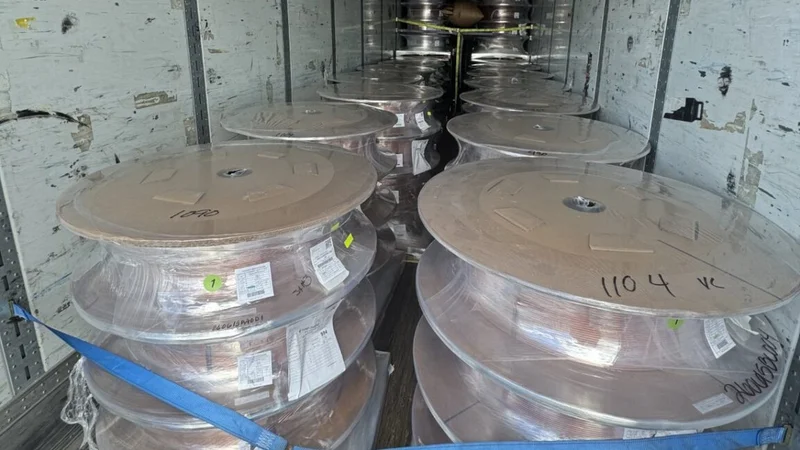
Image: Ars Technica AI
Main Takeaway
More than $100 million in AI data center equipment has been stolen since June through hijackings, freight-account compromises, GPS spoofing and deceptive pickups.
Jump to Key PointsSummary
AI hardware becomes a highway target
More than $100 million in data center freight has been stolen in the United States since June, according to an NBC News investigation cited across the coverage. The stolen cargo includes servers, GPUs, storage equipment, copper cable and other materials feeding the country’s rapid data center construction boom.
One of the largest incidents involved a trailer carrying about $13 million in computer server equipment bound for Fayetteville, Georgia, where a major data center development is underway. The thefts mark a shift in cargo crime toward specialized infrastructure with high resale value and concentrated demand. A separate recovery near Chicago returned 2 trailers carrying $1.3 million in data center materials, Business Insider reported through coverage republished by Yahoo Finance.
Criminals combine muscle and malware
The thefts rely on both physical attacks and digital manipulation. Investigators described vehicles striking police escort cars during 2 major robberies, while other crews used deceptive pickups, compromised freight accounts and falsified location information to redirect shipments.
The digital playbook starts on freight-listing platforms. Criminals post fake loads to attract legitimate trucking companies, then send malicious links to responders. Clicking those links can give attackers control of freight accounts, allowing them to monitor shipments, impersonate brokers or alter delivery details. GPS spoofing adds another layer by making a truck’s reported position appear normal while the cargo is diverted elsewhere. Ars Technica AI described the account-compromise method after reviewing NBC’s investigation, while Superpower Daily highlighted the apparent location-data manipulation.
Violence raises the stakes
Physical confrontations have become a defining feature of the new theft pattern. Two California incidents involved robbers using vehicles to hit police escorts protecting high-value shipments, according to industry experts cited by WIRED. The tactic turns a cargo theft into a coordinated roadside assault, increasing danger for drivers, escorts and law enforcement.
Gerardo Pachuca, a cargo-theft investigator and former Los Angeles sheriff’s detective, told WIRED he had never seen behavior this brazen during his 25 years in the field. The contrast between digital deception and highly visible violence shows how organized crews adapt to cargo value: quiet account takeovers reduce resistance, while force is used when a shipment has active protection. The combination has put freight companies on alert and increased pressure on data center builders to secure transport before equipment reaches construction sites.
Why data center freight pays
AI infrastructure gives organized theft rings an unusually attractive target because individual loads can be worth millions and contain compact, technically valuable equipment. Servers and GPUs are easier to conceal and resell than bulky construction machinery, while copper remains valuable through established scrap markets. Explainx also identified storage drives and cabling among the materials being targeted.
The broader construction surge has widened the number of vulnerable shipments. Equipment moves through brokers, carriers, staging yards and temporary storage sites before installation, creating multiple points where criminals can gather shipment details or substitute identities. Scott Cornell of SPG Cargo & Logistics estimated that 6 or 7 out of 10 stolen US loads now leave the country through established criminal networks, according to Aiweekly’s account of the NBC investigation. That export channel makes recovery harder and gives stolen hardware access to international buyers.
The supply chain absorbs the damage
Cargo theft now threatens project schedules as well as direct asset values. A missing server trailer can delay installation crews, disrupt delivery sequencing and force companies to replace equipment during periods of intense demand. Insurance, escort and tracking costs also rise when carriers handle concentrated loads worth millions of dollars.
The Chicago recovery shows that law enforcement can recover substantial shipments, but it also illustrates the need for rapid intelligence sharing between sheriffs’ offices, freight brokers, carriers and data center operators. Better account security, verification of pickup identities, independent location checks and tighter control over staging yards address different parts of the attack chain. Digital safeguards alone won't stop a vehicle assault, and armed escorts alone won't prevent a compromised freight account.
What happens next
Data center operators and logistics firms face a security problem that spans cybersecurity, transportation and organized crime. The immediate response centers on verifying broker credentials, rejecting unfamiliar links, confirming driver and vehicle identities through separate channels, and monitoring high-value loads with tamper-resistant tracking. Shipments also need route planning that limits predictable stops and exposes fewer details about destination and cargo.
The scale reported since June will push insurers, carriers and equipment buyers to treat freight security as part of infrastructure security. Manufacturers and cloud companies with large AI build-outs sit near the center of that response because their purchasing patterns create the most valuable targets. As thieves refine fake licenses, account takeovers and GPS spoofing, companies will need controls that assume both the shipment and its digital paperwork are under attack.
Key Points
AI data center operators face more than $100 million in stolen freight since June.
Criminal crews combine highway hijackings with freight-account compromises and GPS spoofing.
A $13 million server trailer vanished while traveling toward Fayetteville, Georgia.
Police escorts were struck during 2 major thefts involving data center shipments.
Illinois authorities recovered 2 trailers carrying $1.3 million in stolen materials.
Questions Answered
More than $100 million in data center freight has been stolen since June, according to the NBC investigation summarized by multiple outlets. The cargo includes servers, GPUs, storage equipment, copper and other construction materials.
Criminal groups use freight-account hacking, fake shipment listings, malicious links, GPS spoofing, deceptive pickups and physical hijackings. Some robberies involved vehicles striking police escort cars.
A trailer carrying roughly $13 million in computer server equipment disappeared while traveling toward Fayetteville, Georgia. The destination is home to a major data center development.
AI data center shipments contain compact, expensive equipment with strong resale value. Servers, GPUs, storage drives and copper can move through different resale or export channels.
Illinois investigators recovered 2 stolen trailers containing about $1.3 million in data center materials near Chicago. The recovery included cargo taken from the supply chain feeding data center construction.
Companies can verify brokers and drivers through separate channels, secure freight accounts, reject suspicious links, use tamper-resistant tracking and protect staging yards. Physical escorts need to be paired with digital and identity controls.
Source Reliability
43% of sources are trusted · Avg reliability: 63
Go deeper with Organic Intel
Simple AI systems for your life, work, and business. Each one includes copyable prompts, guides, and downloadable resources.
Explore Systems