Blacksmith Reaches $1 Billion Valuation as AI-Driven Coding Pushes Testing Infrastructure Into the Spotlight
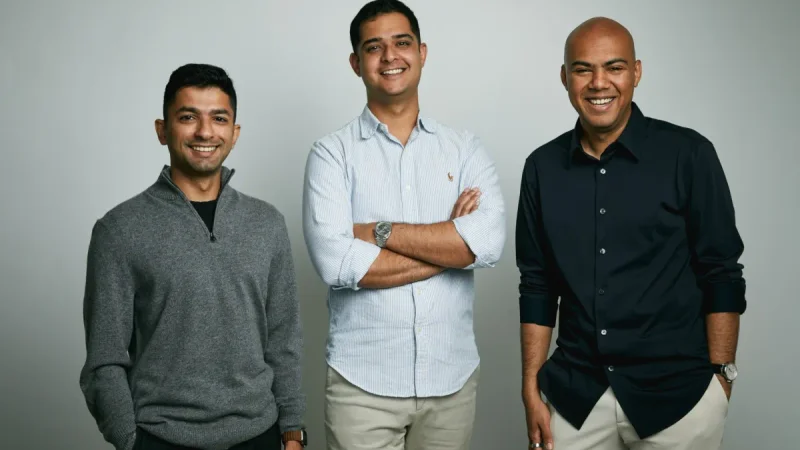
Image: TechCrunch AI
Main Takeaway
Blacksmith raised $66 million in a Sequoia-led Series C at a $1 billion valuation, nearly doubling its price as companies scale AI-generated software.
Jump to Key PointsSummary
Blacksmith reaches unicorn status
Blacksmith has reached a $1 billion valuation after raising $66 million in a Series C led by Sequoia Capital. The company provides infrastructure for running and validating software tests, including code produced with artificial intelligence. The financing makes Blacksmith one of the latest startups to join the unicorn club as businesses expand AI-assisted development.
The round follows a $45 million Series B led by Peak XV Partners at a $550 million valuation roughly 2 months earlier. Blacksmith's total funding now stands at about $124.5 million. The valuation jump gives the company a sharp new benchmark in a market where investors are backing the systems that support AI development, not just the models generating code.
Why AI code needs more testing
AI coding tools are increasing the volume of software that companies produce, creating pressure on testing systems that sit between development and deployment. Blacksmith sells the infrastructure used to run those checks before code ships, positioning the company around a practical bottleneck in AI-assisted programming: verifying that generated code works reliably.
That bottleneck grows as development teams use AI to produce more changes across their applications. Faster code generation only creates value when testing keeps pace, and slow or expensive validation can erase the productivity gains from coding assistants. Blacksmith's focus on test execution places it in the broader software delivery chain, alongside continuous integration and developer productivity tools.
A rapid valuation climb
Blacksmith's valuation rose from $550 million to $1 billion between its Series B and Series C, a nearly 82% increase in about 2 months. The pace of the repricing reflects investor appetite for infrastructure tied directly to the growth of AI software development, while also raising the bar for Blacksmith's future performance.
The fundraising sequence also shows how quickly private-market benchmarks can shift for startups attached to fast-growing technical workloads. Peak XV backed the earlier round, while Sequoia led the new financing. Techmeme's summary and coverage from Fortune place the Series C and valuation in the same sequence, while TechCrunch and Morningstar identify the round as a company announcement.
Scale beyond AI customers
Blacksmith says more than 10,000 companies use its platform, up from about 8,000 previously. That customer count gives the company a distribution base beyond a narrow group of AI labs, since software teams across industries need continuous testing whether their code is written by humans, AI systems, or a combination of both.
The company's positioning also draws on GitHub Actions, a widely used workflow for automating software development tasks. Blacksmith's presence in discussions around faster GitHub Actions indicates that performance and infrastructure costs matter alongside the accuracy of code-generation models. If AI increases the number of code changes entering a pipeline, testing providers must handle greater demand without turning every build into a delay.
Competition shifts toward the delivery layer
Blacksmith's funding highlights a widening contest for the software infrastructure surrounding AI development. Model companies capture attention when they generate code, but testing, deployment, monitoring, and security tools determine whether that code can enter production safely and economically.
The new capital gives Blacksmith room to expand its platform, support more customers, and improve the speed of validation workloads. It also increases competitive pressure on established continuous integration providers and developer tooling companies. The central business question is whether Blacksmith can convert rapid customer growth and investor enthusiasm into durable usage as AI coding becomes a routine part of engineering work.
What happens after the round
Blacksmith's next phase will center on scaling code validation as AI-generated software becomes more common. The company has a large customer base by startup standards, fresh backing from Sequoia, and a valuation that assumes continued expansion of AI-linked development infrastructure.
Execution will matter more than the headline valuation. Blacksmith must keep test runs fast, control infrastructure costs, and show that its platform remains valuable as customers adopt competing coding assistants and automation tools. Its fundraising marks a clear investor bet that verifying software will become as important a business as generating it.
Key Points
Blacksmith raised $66 million in a Sequoia-led Series C at a $1 billion valuation.
Blacksmith's valuation climbed from $550 million after its $45 million Series B.
Blacksmith says more than 10,000 companies use its software testing platform.
AI-generated code is increasing demand for faster automated testing and validation infrastructure.
The funding strengthens Blacksmith's position in continuous integration and developer productivity software.
Questions Answered
Blacksmith is valued at $1 billion after its $66 million Series C. Sequoia Capital led the round, making Blacksmith a unicorn.
Blacksmith raised $66 million in its Series C funding round. The financing brings its total reported funding to about $124.5 million.
Sequoia is investing in Blacksmith because companies need faster infrastructure to test the growing volume of AI-generated software. Blacksmith provides automated code validation and testing before applications ship.
Blacksmith's valuation increased from $550 million to $1 billion in roughly 2 months. The jump followed a $45 million Series B led by Peak XV Partners and the new Sequoia-led Series C.
Blacksmith says more than 10,000 companies use its platform. The service supports automated software testing and workflows connected to tools such as GitHub Actions.
Blacksmith will focus on scaling code validation as companies adopt AI-assisted development. It must maintain fast test execution, manage infrastructure costs, and expand usage across software teams.
Source Reliability
27% of sources are trusted · Avg reliability: 63
Go deeper with Organic Intel
Simple AI systems for your life, work, and business. Each one includes copyable prompts, guides, and downloadable resources.
Explore Systems