Andreessen Horowitz Draws DOJ Antitrust Scrutiny Over Partners’ Board Seats at Rival AI Companies
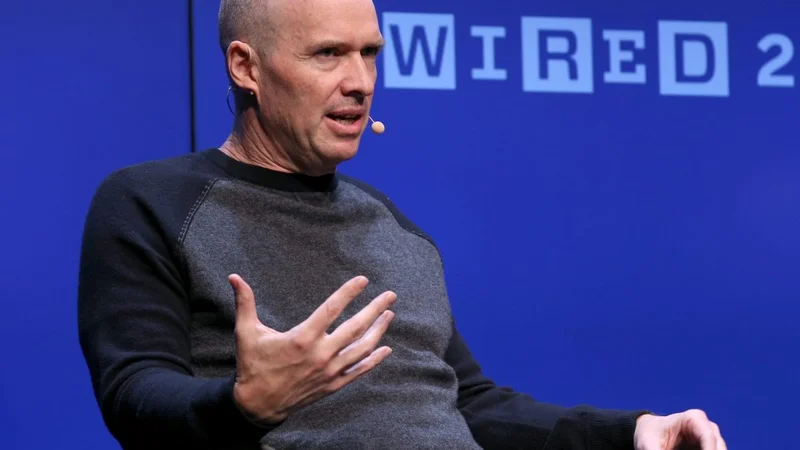
Image: Fortune AI
Main Takeaway
Andreessen Horowitz is the focus of a Justice Department antitrust probe examining whether partners’ board roles at competing AI companies create improper conflicts.
Jump to Key PointsSummary
DOJ scrutiny centers on board roles
Andreessen Horowitz is the focus of a Justice Department antitrust investigation into whether its investment partners hold improper board positions at competing artificial intelligence companies. The inquiry centers on the venture firm’s governance ties to portfolio companies, according to people familiar with the matter cited by Bloomberg and Fortune.
The companies identified in the reporting include Databricks and Fivetran, both backed by Andreessen Horowitz. The review places a familiar venture-capital practice, investors taking board seats at portfolio companies, against antitrust rules designed to prevent competitors from sharing directors or sensitive information. The investigation remains unverified and does not establish that the firm or its partners violated the law.
Databricks and Fivetran connections
Ben Horowitz, an Andreessen Horowitz co-founder, serves on the Databricks board, while the firm also has ties to Fivetran, a data-integration company. That combination has drawn attention because both companies operate in overlapping enterprise-data and AI markets, where access to strategy, customers, partnerships and product plans can carry competitive significance.
The reported inquiry does not identify a finding against Databricks or Fivetran. Its focus is the structure of the firm’s investments and its partners’ director responsibilities. Repeated accounts from Bloomberg, Fortune and outlets republishing or summarizing the report describe the companies as examples in the investigation, while offering few additional details about its scope or timing.
Why shared directors matter
Board interlocks can create antitrust concerns when a person participates in the governance of companies that compete directly or indirectly. Directors owe duties to each company, and their access to confidential information can raise questions about information flows, coordination and competitive decision-making even when the companies remain separate legal entities.
The issue has particular weight in AI and data infrastructure because venture firms often finance several companies serving adjacent customers. Andreessen Horowitz has built a prominent presence across software, data and AI startups, making portfolio overlap a strategic advantage for its investment platform and a point of scrutiny for regulators. Legal conclusions will depend on the companies’ competitive relationship, the directors’ conduct and the facts gathered by investigators.
Broader pressure on venture capital
The investigation signals that regulators are examining financial backers as part of the competitive structure of AI markets, rather than limiting scrutiny to operating companies. Venture firms frequently seek board representation as a condition of funding, and partners often manage several investments in the same broad technology category.
A DOJ case would raise questions for investors about director appointments, information barriers and the limits of portfolio overlap. It could also push startups and their backers to review governance arrangements before conflicts become a regulatory issue. The reporting provides no indication of enforcement action, charges or a formal conclusion, and the inquiry’s outcome remains unsettled.
Political context surrounding a16z
Andreessen Horowitz has closely aligned itself with the second Trump administration, according to Fortune’s account. That political context has attracted attention around the firm, but the reported antitrust inquiry concerns board memberships and competition issues rather than political activity.
Other material linked in the feed concerns the Justice Department inspector general and federal oversight of civil-service disputes. Those documents do not provide substantive details about the Andreessen Horowitz investigation. The central reported facts remain the DOJ’s focus on the venture firm and the examination of partner board roles involving Databricks and Fivetran.
What happens next
The next meaningful development would be confirmation from the Justice Department, the companies or Andreessen Horowitz, followed by details about any demands for information, identified legal theories or changes to board memberships. Until then, the investigation remains a reported inquiry rather than an established violation.
For AI investors and startup executives, the practical issue is governance discipline. Firms with overlapping portfolios will face pressure to map competitive relationships, limit sensitive information sharing where appropriate and assess whether a partner’s board role creates a legally significant interlock. The matter also gives regulators a test case for how traditional antitrust principles apply to venture-backed AI markets.
Key Points
Andreessen Horowitz faces a reported DOJ antitrust probe over partners’ board roles at rival AI companies.
Databricks and Fivetran are identified as portfolio companies linked to the investigation.
Ben Horowitz serves on Databricks’ board while Andreessen Horowitz backs both companies.
The inquiry highlights antitrust risks from shared directors across overlapping AI and data markets.
Venture firms may review board appointments, portfolio overlap and confidential information controls.
Questions Answered
Andreessen Horowitz is under reported DOJ scrutiny over whether investment partners’ board roles at competing AI companies create antitrust concerns. The inquiry focuses on governance ties involving portfolio companies including Databricks and Fivetran.
Databricks and Fivetran are the companies identified in reporting about the Andreessen Horowitz probe. Both are backed by the venture firm, and Ben Horowitz serves on Databricks’ board.
The DOJ is examining whether overlapping board memberships create improper director interlocks or access to competitors’ confidential information. Venture investors can face scrutiny when portfolio companies operate in related markets.
Andreessen Horowitz has not been reported as charged or found to have violated antitrust law. The matter is described as an unverified investigation, and its scope and outcome remain unsettled.
Andreessen Horowitz, the DOJ or the companies involved could provide confirmation and details about the inquiry. Venture firms with overlapping AI investments may also review board roles, information barriers and governance arrangements.
Source Reliability
44% of sources are highly trusted · Avg reliability: 74
Go deeper with Organic Intel
Simple AI systems for your life, work, and business. Each one includes copyable prompts, guides, and downloadable resources.
Explore Systems