Airports Beg Travelers to Stop Arriving Too Early as TSA Lines Spiral
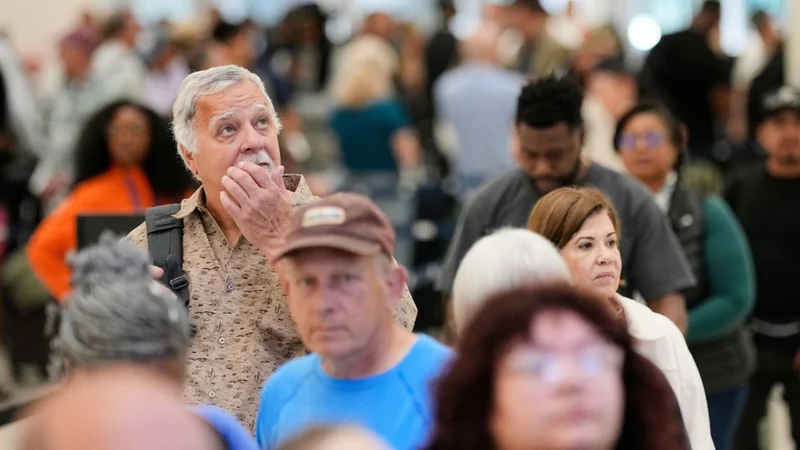
Image: Fortune AI
Main Takeaway
Panic-driven early birds are clogging security checkpoints that were actually running fine, airports say, making TSA bottlenecks worse instead of better.
Jump to Key PointsSummary
The new airport rule: don't be too early
John Glenn International in Columbus, Ohio sounded the alarm on Thursday: travelers showing up hours ahead of schedule are creating the very backups they fear. The airport posted a blunt chart: 90 minutes before departure is all you need. Their message spread fast because it flips decades of travel advice on its head. Instead of solving long lines, early arrivals are sandbagging the system during its most fragile first hour of operation.
Why early birds backfire
Airports reopen security at staggered dawn shifts. When dozens of passengers queue at 4:30 a.m. for an 8 a.m. flight, the checkpoint is still half-staffed. TSA agents must process the initial surge before normal staffing arrives, creating a phantom delay that never existed. Columbus officials say the bottleneck then ripples forward, making everyone late, including travelers who arrived at the correct time. The irony: wait-time data shows most U.S. hubs are still posting 15–25 minute averages, yet panic is overriding the numbers.
Capitol Hill funding fight fuels the panic
Screenshots of endless lines went viral just as Congress deadlocked over TSA appropriations. Travelers assume the funding standoff means automatic chaos and compensate by leaving home at 3 a.m. Airports insist the budget fight has not yet translated into furloughs or reduced lanes; the real problem is psychological. Social media amplifies the worst-case images while quieter, functional checkpoints go unreported.
Ripple effects on the whole travel day
When early clusters jam the first wave, agents fall behind schedule. That pushes later flights into the same backlog, so passengers who followed the 90-minute rule still miss boarding. Airlines then hold planes, cascading gate delays throughout the day. Columbus says one overly cautious 5 a.m. crowd can still be felt at noon departures. The lesson: timing discipline is now a civic duty for anyone who wants their own flight to leave on time.
What airports are doing about it
Some hubs are experimenting with time-slot texts: flyers get a push notification with their personalized arrival window calculated from live queue data. Others post color-coded dashboards at entrances showing green, yellow, red wait forecasts in 30-minute increments. The boldest, like Columbus, simply turn away passengers who show up more than two hours early, directing them to coffee shops until their slot opens. Early results suggest these nudges shave 10–15 minutes off peak wait times.
How to time your next trip without guessing
Check your airport’s real-time wait page the night before; most update every few minutes. Set an alarm for 105 minutes before boarding (not departure) to allow a 15-minute buffer. If you’re checking bags, add 30 minutes but still resist the 3-hour myth. Finally, watch for new apps: several airlines quietly began trialing arrival-time reminders this week, and TSA itself will roll out nationwide predictive texts this summer. Until then, remember the new mantra: right on time beats way too early.
Key Points
Airports like Columbus now tell passengers 90 minutes early is plenty, not three hours.
Early birds create phantom bottlenecks during TSA shift changes when staffing is thin.
Social media panic spreads faster than actual TSA funding cuts have materialized.
One mistimed surge at 5 a.m. can still delay flights at noon through cascading gate holds.
Real-time wait dashboards and arrival-slot texts are proving more effective than extra lanes.
Questions Answered
Security checkpoints reopen with minimal staff. A surprise 4:30 a.m. rush for an 8 a.m. flight overwhelms the skeleton crew and creates a backlog that lasts all morning.
Most large airports publish live wait dashboards online; check the night before and again when you wake up. Several airlines are also rolling out push-notification arrival windows tied to your boarding pass.
Not yet. Airports say current staffing and lane counts are unchanged; the chaos is driven by traveler psychology, not actual resource cuts.
Some airports, including Columbus, may direct you to wait outside security until your 90-minute window opens, effectively forcing you to kill time landside.
Source Reliability
80% of sources are trusted · Avg reliability: 73
Go deeper with Organic Intel
Simple AI systems for your life, work, and business. Each one includes copyable prompts, guides, and downloadable resources.
Explore Systems