US Inflation Spikes to 3.8% as Iran War and AI Spending Squeeze Consumers

Image: Fortune AI
Main Takeaway
April CPI hit a 3-year high driven by Iran war energy costs and AI-driven electricity demand, complicating Fed policy.
Jump to Key PointsSummary
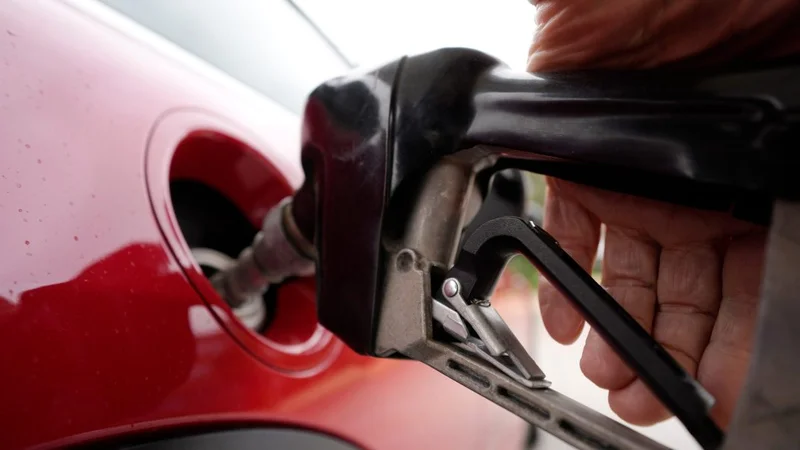
The April Consumer Price Index surged to 3.8% year-over-year, the sharpest increase in three years, as the ongoing war in Iran pushed gasoline prices up 5.4% in a single month. According to Fortune, the Labor Department reported a 0.6% month-over-month price increase, down slightly from February's 0.9% gain but still marking a dramatic acceleration. The energy shock has rippled through the entire economy, with wholesale prices climbing 4% according to HuffPost, suggesting broader price pressures still working their way through supply chains.
The timing is particularly painful. Fortune noted that economists had predicted this spike for weeks, comparing it to the 2023 surge when Russia's invasion of Ukraine drove inflation to 4%. But this crisis differs in important ways. AI infrastructure spending has emerged as a parallel economic force, with Diane Swonk of KPMG telling Fortune that the Iran war is showing up in grocery bills while AI demand is hitting electricity bills. The Federal Reserve faces a policy dilemma with no easy resolution, as both supply-side energy shocks and demand-side technology investment simultaneously pressure prices.
How the Iran war hit consumer wallets
Energy markets bore the immediate brunt. Gasoline's 5.4% monthly jump translated directly into higher transportation costs, freight expenses, and eventually shelf prices across retail sectors. The war, now in its 10th week according to Fortune, has disrupted oil flows through the Strait of Hormuz, through which roughly one-fifth of global oil shipments pass.
The price transmission has been faster than many analysts expected. France24 reported CPI at 3.3%, while 13wham called it the biggest monthly spike in four years, illustrating how different measurement periods and methodologies produce varying headlines. What sources agree on: the Iran shock is broadening beyond energy into core goods and services. The NY Times emphasized that war effects are now visible across price categories, not just at the pump. This diffusion pattern worries central bankers because it signals inflation becoming embedded in consumer expectations rather than remaining a temporary energy blip.
AI spending's double-edged role in the economy
Artificial intelligence investment has become an unexpected economic counterweight, though its benefits come with costs. The NY Post framed AI spending as keeping the US afloat and preventing recession, while Business Insider and the Economic Times warned that Bank of America sees both AI boom and consumer spending as growth engines now threatened by war-driven inflation.
The electricity demand from data centers has created regional price pressures that don't show up cleanly in national CPI but matter enormously for industrial users. Swonk's observation about AI appearing in electricity bills captures a structural shift: the energy intensity of digital infrastructure is no longer negligible for household and business budgets. This creates a policy paradox where investment that drives long-term productivity also strains near-term capacity. The Guardian raised the global stakes, noting that an Iran war inflation shock could derail the fragile post-pandemic recovery across multiple economies, with AI demand adding pressure to already stretched power grids worldwide.
What the Fed faces now
Federal Reserve officials confront a situation where traditional tools fit poorly. Rate hikes could slow AI investment and consumer spending, the very engines Bank of America identified as keeping growth positive. Yet standing pat risks letting inflation expectations detach, making subsequent containment more costly. Reuters reported that inflation expectations have returned to the boil, suggesting markets no longer assume the Fed will tolerate temporary overshoots.
The BBC's pre-release framing that inflation was stable ahead of the Iran shock now reads as ominous foreshadowing. That stability proved illusory, built on assumptions of geopolitical containment that failed. The Hill noted March inflation at 3.5%, showing the acceleration trajectory into April's worse numbers. Fed Chair Jerome Powell has previously cited geopolitical risk as a key uncertainty; this is that scenario materializing in real time. The central bank's September meeting now looms as a potential inflection point, though some analysts expect earlier guidance shifts if May data doesn't show cooling.
What happens next for consumers and markets
Household budgets will face sustained pressure through summer driving season, when gasoline demand typically peaks. The 5.4% April gasoline increase could compound if Hormuz disruptions persist or escalate. Food prices, which lag energy by several months in typical transmission patterns, may show sharper increases in June and July data.
Markets have begun pricing in a more hawkish Fed, with Treasury yields climbing and equity volatility indices ticking up. The critical unknown is whether the Iran conflict stabilizes or expands. A de-escalation could see energy prices retreat quickly, given current market tightness reflects risk premium as much as physical shortage. Escalation involving regional infrastructure attacks would push the Fed toward more aggressive action despite growth risks. Socialmediatoday's sparse but pointed framing, that latest numbers reflect Iran war impact, suggests this narrative has already penetrated mainstream economic consciousness, making it harder for any single data point to shift sentiment.
The global ripple effects to watch
The inflation shock is not confined to US borders. The Guardian's analysis emphasized that Iran war-driven price spikes threaten global recovery, particularly for energy-importing economies in Europe and Asia. The dollar's reserve status provides some insulation, but also means Fed responses transmit stress worldwide through tighter financial conditions.
AI demand adds a novel dimension to this traditional commodity shock pattern. Data center construction is globally distributed, meaning electricity and construction cost pressures hit multiple economies simultaneously. This differs from past shocks where commodity importers suffered while exporters gained. The synchronized nature of AI infrastructure buildout means fewer offsetting growth pockets. Countries with domestic energy production and renewable capacity, including the US, may weather this better than import-dependent competitors. But the transition period, measured in years not quarters, will test policy coordination that has been notably absent in recent international economic forums.
Key Points
April CPI hit 3.8% year-over-year, the highest since 2023's Russia-Ukraine energy shock, with gasoline surging 5.4% in one month
The Iran war's 10-week duration has disrupted oil flows through the Strait of Hormuz, transmitting directly into consumer prices and broader supply chains
AI infrastructure spending has emerged as a parallel inflationary force through electricity demand, creating a policy dilemma for the Federal Reserve
Bank of America identified AI boom and consumer spending as the two US growth engines now threatened by war-driven price pressures
Global recovery faces compounded risk from synchronized AI data center construction costs and energy import dependence across multiple economies
Questions Answered
Sources used varying periods and indices. Fortune and others cited 3.8% April year-over-year CPI, while France24 and 13wham reported 3.3% and The Hill cited 3.5% March figures. Some used consumer prices, others wholesale prices which rose 4%.
AI data centers consume enormous electricity, raising power costs regionally. KPMG's Diane Swonk noted AI appears in electricity bills while Iran war hits groceries. Bank of America sees AI investment as a key growth engine now facing cost pressures.
The Fed can raise rates to fight inflation but risks slowing AI investment and consumer spending that are keeping growth positive. Holding rates risks embedding inflation expectations. Either path carries significant downside.
Duration depends on conflict trajectory. Energy price spikes can reverse quickly if de-escalation occurs, since risk premium drives much of current pricing. Escalation would extend pressure through 2026 and beyond.
Higher gasoline costs through summer driving season, with food price increases likely in June-July as transportation costs transmit. Electricity bills may rise in regions with heavy data center construction.
Source Reliability
47% of sources are trusted · Avg reliability: 80
Go deeper with Organic Intel
Simple AI systems for your life, work, and business. Each one includes copyable prompts, guides, and downloadable resources.
Explore Systems