Trump Orders Lake Ontario Renamed Lake America as Canada Rejects the Change
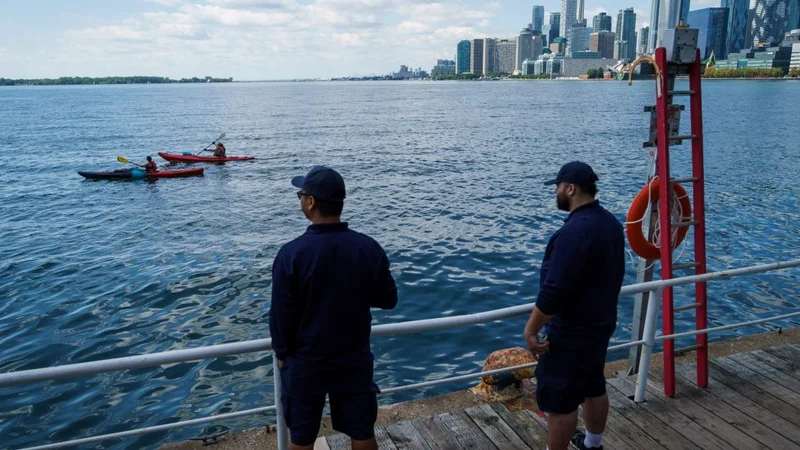
Image: Fortune AI
Main Takeaway
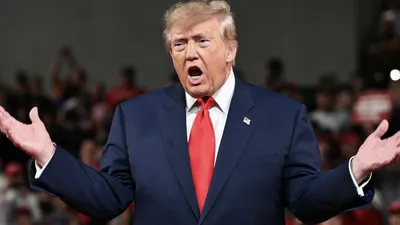
President Donald Trump signed an order directing U.S. agencies to call Lake Ontario “Lake America,” prompting Ontario Premier Doug Ford to defend its historic name.
Jump to Key PointsSummary
Trump orders a new name
President Donald Trump signed an executive order directing the U.S. government to refer to Lake Ontario as “Lake America,” according to coverage from multiple U.S. and international outlets. The order places the proposed name within Trump’s broader effort to emphasize American history and national identity, while the lake itself remains a shared body of water between the United States and Canada.
The announcement arrived as relations between Washington and Ottawa faced renewed strain. The executive action has drawn attention well beyond cartography because it links a geographic name change to the administration’s increasingly confrontational posture toward Canada, including tariffs cited in coverage of the announcement.
The dispute crosses the border
The name change applies to U.S. government usage, while Canada continues to call the lake Lake Ontario. That split gives the executive order immediate symbolic force but leaves the waterway with competing official references on opposite shores.
Ontario Premier Doug Ford responded by affirming the Canadian name. At an appearance near Grimsby, Ontario, Ford unveiled a 24-by-12-foot sign reading “Lake Ontario. Now and Always.” Wearing a Team Canada soccer jersey, he presented the sign as a public rebuttal to Trump’s decree and said the lake would retain its established name after Trump leaves office.
Geography meets trade politics
The executive order lands amid a wider Trump campaign focused on trade pressure and national symbolism. Coverage identifies a 50% tariff on $20 billion of Canadian goods as part of the surrounding dispute, placing the lake announcement alongside measures with direct economic consequences for businesses and consumers.
The geographic gesture therefore functions as a diplomatic signal as much as an administrative directive. A renamed lake does not alter the border, water rights, shipping routes, or environmental responsibilities shared by the 2 countries. It does, however, add a highly visible cultural dispute to negotiations already shaped by tariffs and political rhetoric.
What the order changes
The order directs U.S. agencies to use “Lake America” in federal government references, according to the White House action cited in coverage. That affects federal maps, documents, databases, websites, and other official materials maintained by U.S. departments.
The directive doesn't automatically control Canadian institutions, private publishers, international organizations, or residents on the lake’s northern shore. Practical usage will depend on whether federal agencies update their systems and how other governments and mapping services handle the competing names. The result is an official U.S. designation alongside Canada’s continued use of Lake Ontario, rather than a universally accepted replacement.
A symbolic fight with practical limits
The episode illustrates how executive power can produce an immediate change in federal language without settling an international naming question. Lake Ontario is one of the Great Lakes and a longstanding geographic reference used across public records, commerce, tourism, science, and education.
For Americans, federal documents may begin displaying the new name. Canadians have already signaled continued resistance, and Ford’s sign gives that position a durable public marker on the shoreline. The competing labels will test how government agencies, media organizations, map providers, and cross-border businesses describe the lake in routine communication.
What happens next
The immediate next step is implementation inside the U.S. government and continued Canadian rejection of the change. Agencies will need to revise official references, while Canadian authorities and institutions will decide how prominently to reinforce Lake Ontario in their own communications.
The order also becomes another measure of the political temperature between Washington and Ottawa. If the tariff dispute continues, the naming fight will remain a visible expression of the broader conflict. If relations ease, the order may persist in U.S. records while attracting less attention outside political and diplomatic circles.
Key Points
Donald Trump ordered U.S. agencies to rename Lake Ontario as Lake America in federal references.
Ontario Premier Doug Ford rejected the decree with a large Lake Ontario shoreline sign.
The naming dispute emerged alongside U.S. tariffs and worsening trade tensions with Canada.
The order changes U.S. government terminology without binding Canadian authorities or private organizations.
Competing names could create confusion across maps, media, tourism, science, and cross-border commerce.
Questions Answered
Donald Trump signed an executive order directing U.S. agencies to use the name Lake America. The order governs federal terminology and does not impose the name on Canada or private organizations.
Donald Trump tied the order to his administration’s emphasis on American history and national identity. The announcement also came during heightened trade tensions between the United States and Canada.
Doug Ford rejected the name change and unveiled a large sign reading “Lake Ontario. Now and Always.” He presented the response near Grimsby while wearing a Team Canada soccer jersey.
Canada will continue calling the body of water Lake Ontario. The U.S. executive order doesn't control Canadian government usage, Canadian maps, or Canadian public institutions.
U.S. federal agencies are directed to update their official references to Lake America. Private map providers, international institutions, and cross-border businesses will set their own naming practices.
Source Reliability
83% of sources are highly trusted · Avg reliability: 88
Go deeper with Organic Intel
Simple AI systems for your life, work, and business. Each one includes copyable prompts, guides, and downloadable resources.
Explore Systems