Trump Administration Pressures OpenAI to Stagger New AI Model Release
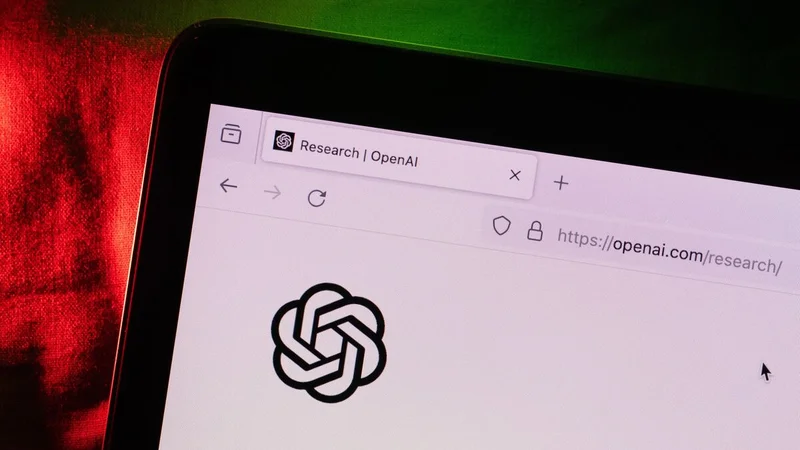
Image: Bloomberg AI
Main Takeaway
The Trump administration asked OpenAI to limit its next model rollout, prompting a phased preview release to select partners instead.
Jump to Key PointsSummary
What the White House requested
The Trump administration asked OpenAI to stagger the release of an upcoming powerful AI model, according to Bloomberg and multiple news outlets. The request came directly from White House officials to OpenAI leadership, marking an unusual level of government intervention in a private company's product timeline. OpenAI agreed to the staggered approach rather than risk a direct confrontation with federal regulators.
The administration's specific concerns have not been publicly detailed, though the pressure arrives during a period of heightened scrutiny of AI capabilities across the US government. Axios, CNN, and The Guardian all confirmed the request occurred, with The Information and Politico noting it reflects broader Trump administration efforts to assert control over frontier AI development.
Bloomberg reported that OpenAI is now rolling out a preview version to select partners before wider availability. This represents a significant departure from the company's typical launch pattern, which has emphasized broad, simultaneous access for its major model releases.
How OpenAI changed its launch plan
Rather than the public rollout originally anticipated, OpenAI shifted to a restricted preview model. Select partners now have access to the new capabilities, with general availability pushed to the coming weeks. This phased approach gives OpenAI time to gather additional safety data while demonstrating compliance with the administration's request.
The company has not disclosed which partners received preview access or what criteria determined selection. NDTV reported the model in question as "GPT-5.6" in its headline, though OpenAI has not confirmed this naming. The staggered release mirrors techniques some AI labs have used for internal testing, but applied here at the.md government's direction rather than voluntary choice.
Why this timing matters
The pressure on OpenAI came roughly two weeks after rival Anthropic received similar treatment from the administration. Bloomberg noted the Anthropic precedent in its initial reporting, suggesting a pattern of White House intervention in frontier AI releases. Reuters separately reported that OpenAI is leaning toward delaying its IPO until next year, per the New York Times, adding financial pressure to the regulatory squeeze.
The convergence of regulatory pressure and financial uncertainty creates a challenging environment for OpenAI. The company has been among the most aggressive in pushing new capabilities to market, making this forced slowdown particularly notable. Competitors watching the situation include not just Anthropic but also Google, Microsoft, and xAI, all of which may face comparable scrutiny for their own frontier models.
What this signals for AI governance
Direct White House requests to delay specific product launches represent a shift in how the US government manages AI risk. Previous administrations relied primarily on voluntary commitments from AI labs or broad executive orders rather than targeted intervention in release schedules. The Trump administration's approach appears more hands-on and immediate.
Legal experts and industry observers are divided on whether this establishes new precedent or exceeds traditional regulatory boundaries. The MBHB roundup noted the Anthropic "Mythos-type Fable model" also faced administration limits, reinforcing that OpenAI was not an isolated case. Without formal rulemaking or legislation, these requests operate in a gray area between suggestion and directive, with companies weighing compliance costs against potential retaliation.
What happens next for competitors
Google, Microsoft, Meta, and Anthropic now face uncertainty about whether their own frontier releases will trigger similar White House pressure. Anthropic already experienced this with its model, suggesting the administration is not targeting OpenAI specifically but rather any AI system crossing certain capability thresholds. The lack of transparent criteria for intervention leaves all major labs guessing where the line falls.
Microsoft's deep partnership with OpenAI complicates its position, as the company must navigate both regulatory pressure on its partner and its own AI ambitions. Meta's open-weight release strategy may offer some insulation, though its most capable models could still trigger scrutiny. For xAI and smaller labs, the unclear standards create planning difficulties as they scale toward frontier capabilities without knowing what triggers government response.
The broader context of AI regulation
This incident occurs as Congress remains stalled on comprehensive AI legislation and federal agencies lack clear authority to block model releases. The Trump administration appears to be filling that gap through direct executive pressure, a tactic that avoids legal challenges but raises questions about consistency and due process. Industry groups have previously pushed for clearer regulatory frameworks rather than ad hoc interventions.
The approach also differs from international competitors. The European Union's AI Act operates through codified rules and enforcement mechanisms, while China's government exercises ownership-level control over its major AI labs. The US middle path, voluntary pressure without formal authority, may prove unstable as model capabilities advance and stakes increase. Whether this episode leads to more structured governance or remains an exceptional case depends largely on how the administration and Congress respond to the inevitable next frontier model release.
Key Points
rolles out preview to select partners after White House request.
The Trump administration asked OpenAI to stagger its upcoming model release rather than launching publicly.
Anthropic faced similar pressure two weeks earlier, suggesting a broader pattern of intervention.
OpenAI is reportedly leaning toward delaying its IPO until next year amid regulatory uncertainty.
Direct White House requests mark a shift from voluntary commitments to hands-on AI release management.
Questions Answered
The Trump administration asked OpenAI to stagger the release, and OpenAI complied by switching to a limited preview for select partners. The company was not legally compelled but chose to accommodate the White House request rather than risk confrontation.
The specific concerns have not been publicly detailed, though the pressure follows a similar intervention with Anthropic two weeks prior. The administration appears to be asserting more direct control over frontier AI capabilities without waiting for congressional legislation.
OpenAI has not provided a specific date for general availability. Bloomberg reported the wider release would come in the coming weeks following the initial preview period for select partners.
Reuters reported that OpenAI is leaning toward delaying its IPO until next year, per the New York Times. Regulatory pressure adds uncertainty to the company's valuation and market timing.
Anthrropic already experienced comparable pressure, and major labs including Google, Microsoft, Meta, and xAI may face similar scrutiny for frontier models. The lack of transparent criteria makes it difficult to predict which releases will trigger intervention.
Source Reliability
70% of sources are highly trusted · Avg reliability: 82
Go deeper with Organic Intel
Simple AI systems for your life, work, and business. Each one includes copyable prompts, guides, and downloadable resources.
Explore Systems